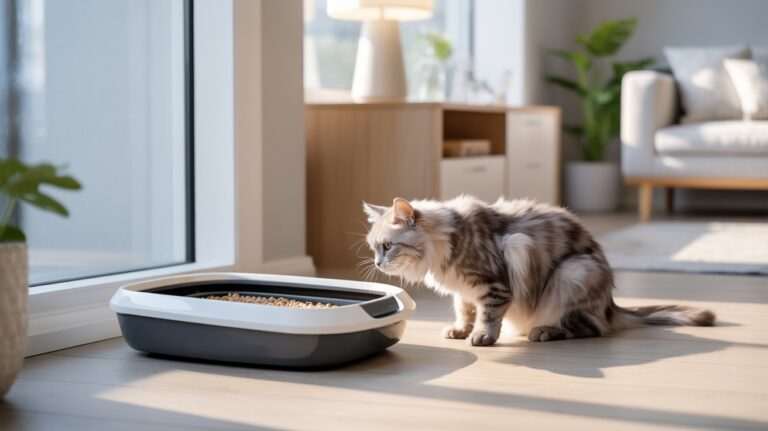
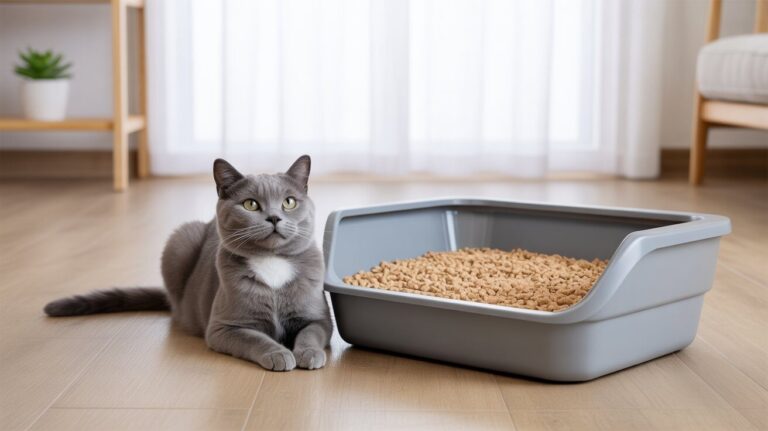
Safest Scented Cat Litter for Kittens
You just brought home a tiny, wobbly kitten. You want everything to be perfect: the food, the toys, the cozy bed, and the litter box. But then you walk down the pet store aisle.
You face a wall of scented litter options. Suddenly, you realize nobody prepared you for this choice.
Which ones are safe? Which ones smell like a pine forest fought a chemical plant? Most importantly, will any of them be okay for your little furball?
Not all scented litters are the same. For kittens, the stakes are higher than for adult cats. Kittens are curious, low to the ground, and often put things in their mouths that shouldn’t be there.
Let’s discuss what makes a scented litter safe for kittens, which ingredients to avoid, and what options work well in real life.
Why Kittens Need Special Consideration When It Comes to Litter
Adult cats have had years to build up a tolerance to the world around them. Kittens? Not so much.
Their respiratory systems, immune systems, and livers are still developing, which means they are far more sensitive to chemicals, fragrances, and dust than a grown cat would be.
Think about it this way. A human toddler and a full-grown adult can both sit in a room with a scented candle burning, but the toddler is going to be far more affected by the airborne particles.
The same logic applies here. What barely registers for an adult cat can seriously irritate a kitten’s delicate airways or skin.
The Dust Problem Nobody Talks About Enough
One of the biggest risks with any litter, scented or not, is fine dust. Kittens breathe closer to the litter surface than adult cats do simply because they are smaller.
High-dust litters can cause sneezing, watery eyes, and in more serious cases, respiratory issues that require a vet visit.
Always look for litters labeled “low-dust” or “dust-free” when shopping for kittens. This is not just a comfort feature. It is genuinely a health consideration.
Fragrance Chemicals and Tiny Lungs
Many conventional scented litters use synthetic fragrances, and some of those fragrances contain compounds like phthalates or volatile organic compounds (VOCs).
These are the kinds of things that smell pleasant to humans but can be harsh on a kitten’s sensitive respiratory tract.
The good news is that not all scented litters rely on synthetic chemicals.
Some use plant-based or naturally derived scents, like activated charcoal, baking soda, cedar, or herbal extracts, and those tend to be far gentler options.
What Makes a Scented Cat Litter Safe for Kittens
Before you start comparing products, you need to know what you are actually looking for. Here is a breakdown of the features that separate a genuinely safe scented litter from one that just has pretty packaging.
Natural vs. Synthetic Fragrance
This is the big one. Natural fragrances derived from plant sources are generally much safer than synthetic fragrance blends.
Look for litters that specifically state their scent source, whether that is lavender oil, cedar wood, or activated charcoal for odor neutralization rather than masking.
Synthetic fragrances often contain mystery cocktails of chemicals, and manufacturers are not always required to list every component.
That ambiguity is not great when you have a kitten rolling around in the stuff daily.
Clumping vs. Non-Clumping for Kittens
Here is a debate that gets heated in the cat parent community. Many veterinarians and experts recommend non-clumping litter for kittens under four months old.
The reason is that kittens sometimes ingest litter while grooming themselves, and clumping litter can form solid masses in their digestive systems, which is every bit as bad as it sounds.
Once your kitten hits around four months and has stopped treating the litter box like a snack bar, clumping litter becomes a much more viable option. Until then, non-clumping formulas are the safer bet.
Ingredient Transparency
Brands that list their ingredients clearly are brands worth trusting. If a litter company cannot tell you what is in their scent formula, that is a red flag.
The best options on the market will openly state what creates the scent and will often highlight that their formula is free from harsh chemicals, dyes, and allergens.
Low Tracking and Coarser Granules
Kittens tend to step out of the litter box and then promptly lick their paws. Fine, lightweight litter granules travel farther, stick to paws more easily, and end up in your kitten’s mouth more often.
Larger, coarser granules reduce tracking and minimize ingestion risk. Look for this feature especially in the early months.
The Best Types of Scented Litter for Kittens
Not every litter material is kitten-friendly, and some materials handle scent better than others. Here is a practical rundown.
Natural Wood or Pine-Based Litters
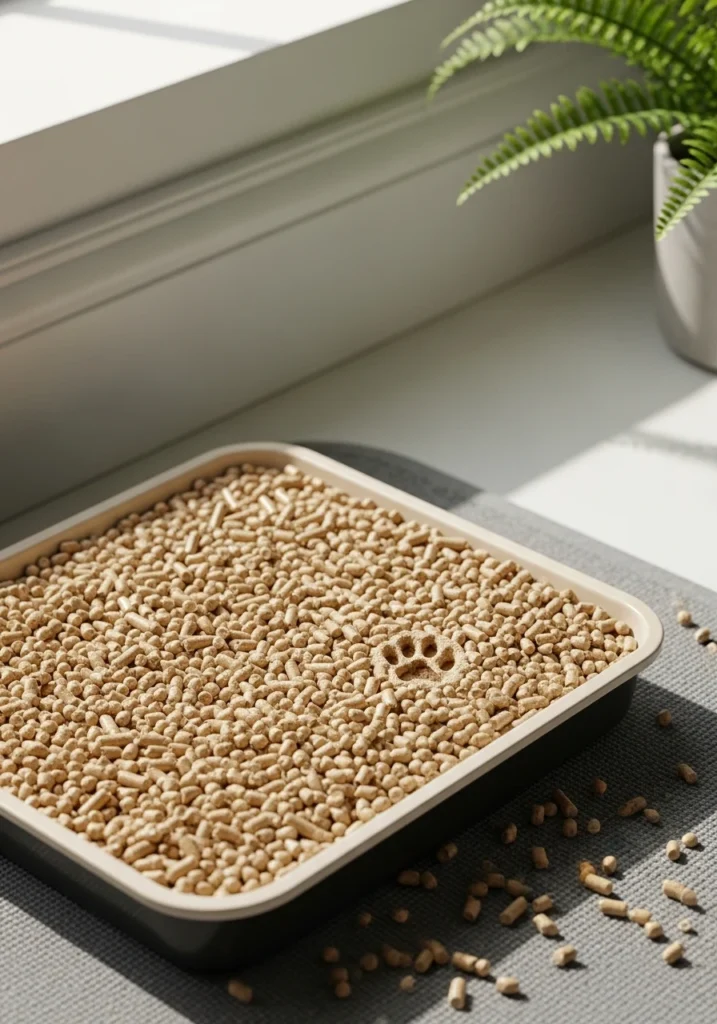
Wood and pine litters are some of the best options for kittens because they offer a natural scent without synthetic additives.
Pine, in particular, has natural odor-absorbing properties, so the scent you get is coming from the wood itself rather than a sprayed-on fragrance.
What to look for:
- Pellet form to reduce dust and tracking
- No added synthetic fragrance, just natural wood scent
- Biodegradable and usually compostable, which is a bonus for the environment
The only downside is that some cats are picky about texture, and pellet-style litter does feel different underfoot. A gradual transition often helps.
Corn and Wheat-Based Litters
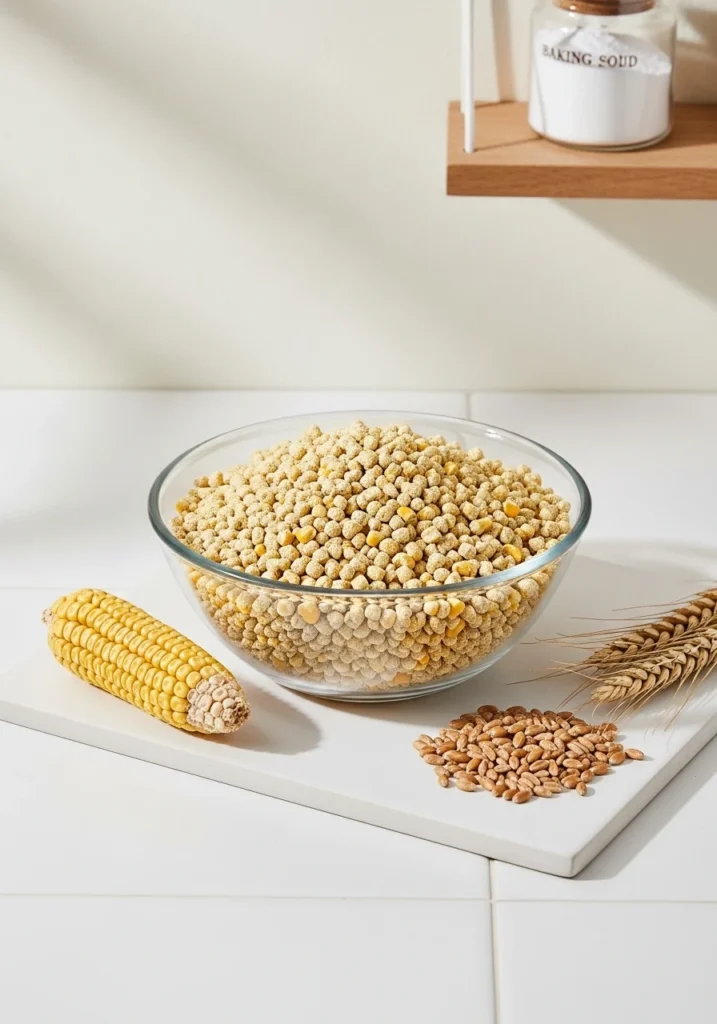
Plant-based litters made from corn or wheat have become really popular, and for good reason. They are usually low-dust, naturally biodegradable, and the scent is mild and earthy rather than overwhelming.
They also tend to clump reasonably well, though again, hold off on clumping options until your kitten is older.
One thing worth noting: corn-based litters can occasionally grow mold in humid environments if not changed frequently enough.
So if you live somewhere warm and damp, stay on top of litter box maintenance.
Activated Charcoal Infused Litters
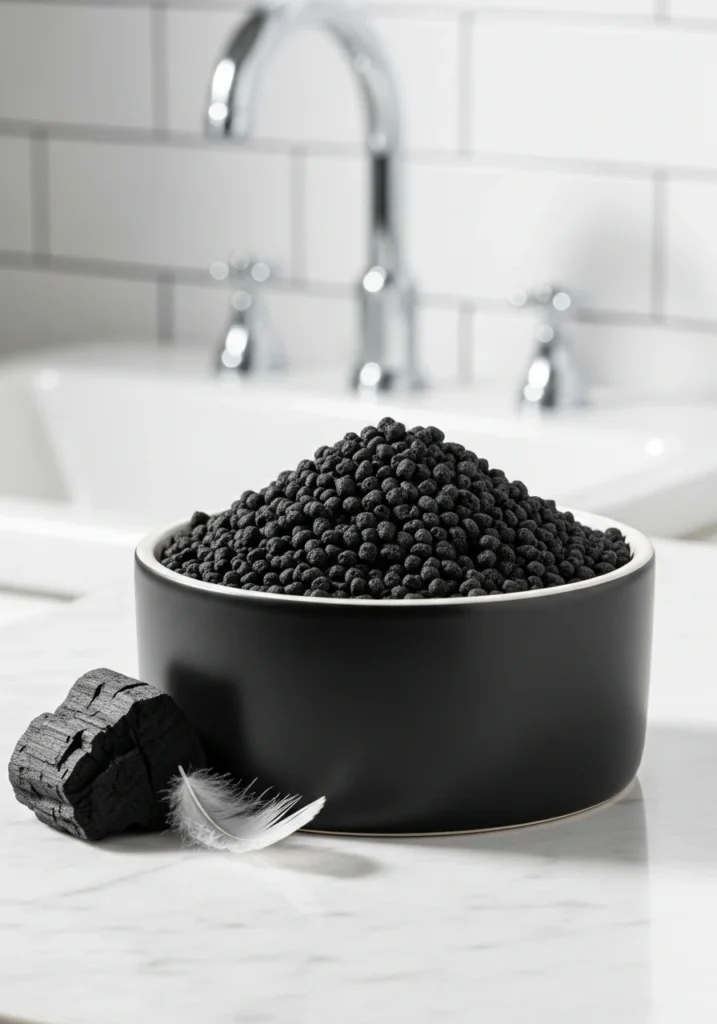
Activated charcoal does not add a scent per se. Instead, it absorbs and neutralizes odors at the molecular level.
Litters that use activated charcoal rather than added fragrance are often the safest choice because you get genuine odor control without introducing any scent chemicals into the mix.
These are particularly great for kittens because:
- No synthetic fragrance means no risk of chemical irritation
- Odor neutralization is more effective than masking
- They pair well with almost any litter base material
Baking Soda Enhanced Litters
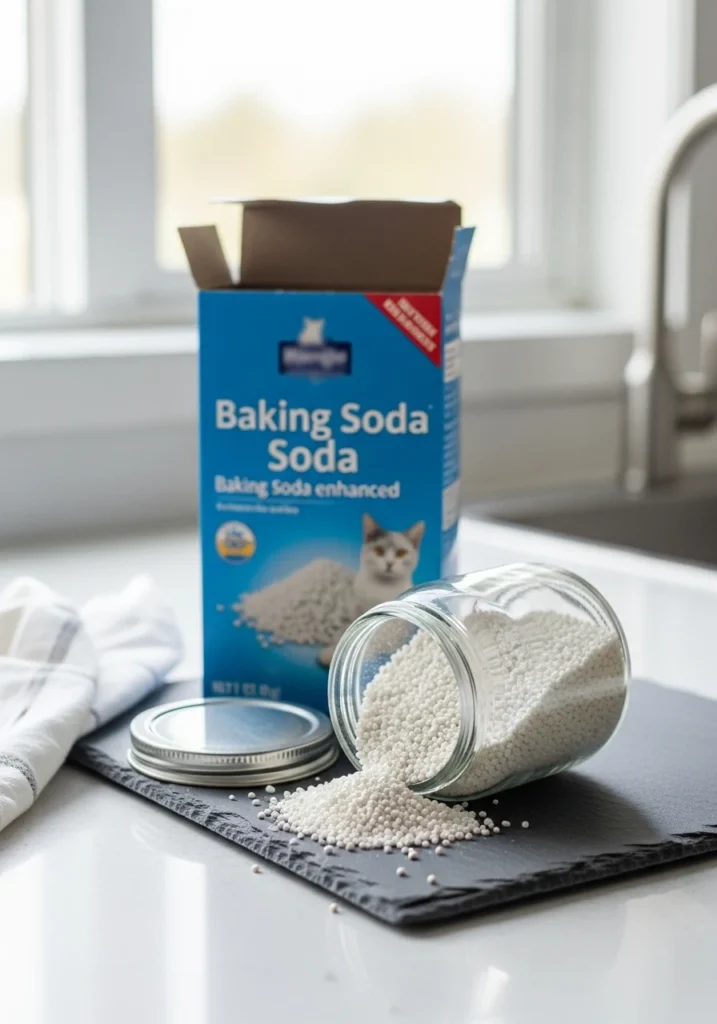
Similar to activated charcoal, baking soda works by neutralizing odor-causing acids rather than covering them up.
Many kitten-safe litters add baking soda as their sole odor-control method, and these tend to be very well-tolerated by sensitive kittens.
Scents That Are Actually Safe and Scents to Avoid
Let us get specific, because “natural” is a word that gets thrown around loosely in pet product marketing.
Generally Safe Natural Scents
- Lavender (in very small amounts and properly diluted in the litter formulation)
- Cedar (natural, not synthetic cedar fragrance)
- Herbal blends derived from actual dried herbs rather than fragrance oils
- Unscented with baking soda or charcoal (technically not a scent, but worth including as the gentlest option of all)
Scents and Ingredients to Avoid
- Citrus-based fragrances: Cats generally hate citrus, and the oils can be irritating to kittens
- Eucalyptus or tea tree oil: These are actually toxic to cats in concentrated forms
- Synthetic “fresh” or “clean” scents: These are usually VOC-heavy and offer zero benefit beyond smelling nice to humans
- Ammonia-based compounds: Some older litter formulas used these, and they are harsh on little lungs
- Artificial dyes: These serve no functional purpose and add unnecessary chemicals to the mix
Shop Fragrance-Free and Natural Odor Control Cat Litters on Amazon
How to Transition a Kitten to a New Litter
You found a great scented litter that ticks all the safety boxes. Excellent. Now please do not just dump it in the box and expect your kitten to immediately be on board with the change.
Cats are creatures of habit, and kittens, while adaptable, still appreciate a gradual introduction.
Here is a simple transition method that works well:
- Start with 75% old litter and 25% new litter for the first three to four days
- Move to a 50/50 mix for the next few days
- Shift to 25% old and 75% new for another few days
- Switch completely to the new litter
This approach reduces the chance of your kitten rejecting the new litter entirely and deciding that your laundry basket is a perfectly acceptable alternative.
Quick Tips for Keeping the Litter Box Safe for Kittens
Even the safest litter needs a safe setup to go along with it. A few practical reminders:
- Scoop at least once daily. Kittens use the litter box frequently, and a dirty box is a health hazard regardless of what litter you use.
- Use an unscented box liner or none at all. Adding more fragrance sources complicates the picture.
- Choose a box with low sides for kittens. They need to get in and out easily, and struggling over a high edge increases the chance of accidents outside the box.
- Avoid scented litter box deodorizers or sprays near the box. You are already using a scented litter; stacking more fragrance products on top just creates a chemical cocktail nobody asked for.
- Wash the box with mild, unscented soap during full cleans. Strongly scented cleaning products can linger and deter kittens from using the box.
The Bottom Line on Scented Litter for Kittens
Choosing a scented litter for your kitten does not have to be a stressful guessing game.
The key is knowing what to prioritize: natural scent sources over synthetic ones, low dust above all else, and transparent ingredient lists from brands you can actually trust.
The safest scented litters for kittens rely on activated charcoal, baking soda, or plant-derived materials to manage odor rather than masking it with artificial fragrance.
Wood, pine, corn, and wheat-based litters tend to be the gentlest options overall, especially in pellet or larger granule form.
Your kitten is going to spend a significant chunk of their life in and around that litter box.
Making sure the environment is as clean, safe, and low-irritant as possible is one of the best things you can do for their long-term health.
And honestly, once you find a litter that works, both you and your kitten will be happier for it.
There is something deeply satisfying about a litter box that actually controls odor without turning your home into a perfume counter.
Your guests might even stop giving you suspicious looks when they walk through the door.
Is Scented Cat Litter Safe for Kittens?
Scented cat litter can be safe for kittens if the scent is from natural, plant-based sources. Avoid synthetic fragrance chemicals.
Litters with activated charcoal, baking soda, or natural cedar and pine are usually the safest. Kittens have developing respiratory systems and livers.
Strong artificial fragrances and synthetic VOCs can irritate them. Always check the ingredient list before buying. If unsure, choose an unscented formula with natural odor neutralizers.
What Type of Litter Is Best for Kittens Under Four Months Old?
For kittens under four months old, non-clumping litter is the best choice. Young kittens often swallow litter while grooming their paws.
Clumping formulas can form hard masses in their digestive tracts, which is a serious health risk. Natural non-clumping options, like pine pellets or wheat-based litters, work well.
Once your kitten is four months old and past the litter-tasting phase, you can safely switch to a clumping formula.
Which Scents Are Toxic and Should Be Avoided in Kitten Litter?
Some scents in cat litter can harm or poison kittens. Tea tree oil and eucalyptus are very dangerous, as they are toxic to cats, even in small amounts.
Citrus fragrances should also be avoided. They irritate a kitten’s respiratory system, and cats generally dislike their smell. Synthetic scents like “fresh linen” or “clean air” can cause issues too.
They often contain volatile organic compounds. Choose litters that use natural materials for scent or rely on odor-neutralizing ingredients instead.
How Much Dust Should a Safe Kitten Litter Have?
A litter safe for kittens should be nearly dust-free. Kittens are small, so their noses and mouths are closer to the litter. This means they breathe in more particles each time they use the box.
High-dust litters can lead to sneezing, eye irritation, and breathing issues over time. Always choose products labeled “low-dust” or “99% dust-free.”
Also, select pellet or larger granule formats when you can. These types produce much less airborne dust than fine-grain litters.
How Do You Transition a Kitten to a New Scented Litter Without Stress?
The best way to switch a kitten to a new litter is gradually. Do this over one to two weeks. Start with about 75% old litter and 25% new for a few days.
Then shift to a 50/50 mix. After that, use 25% old and 75% new before making a full switch. This slow mix helps your kitten get used to the new texture and scent.
Rushing the transition is a common reason for litter box issues. So, be patient—it really helps!