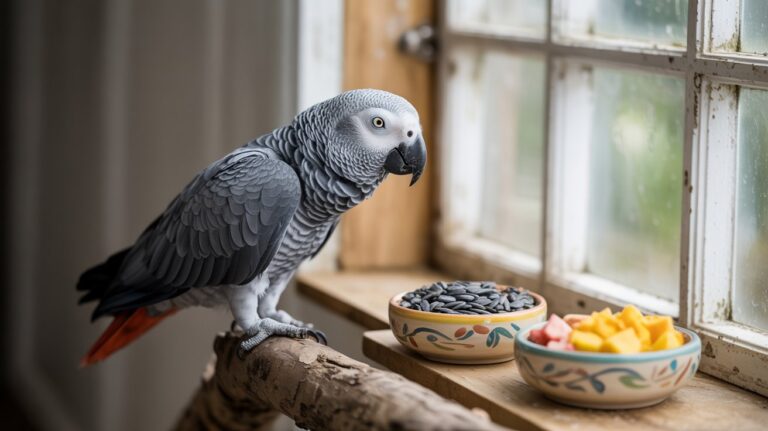
Liquid Calcium for Birds That Actually Works
Your bird looks healthy, eats well, and seems happy. Then, one day you notice the eggs cracking too easily, the feathers looking dull, or your parrot chewing on the cuttlebone like it’s starving for minerals.
Sound familiar? Calcium deficiency sneaks up on bird owners often, and most people notice it only after a problem arises.
Here’s the good news: liquid calcium supplements for birds are a simple way to fill that nutritional gap.
However, not all supplements work equally well. Choosing the wrong one is like throwing money into a cage, where it’ll get chewed up and pooped on.
This article guides you through everything you need to know to make a smart choice for your feathered friend.
Why Calcium Matters More Than You Think
Most bird owners know calcium is important. Fewer understand just how central it is to almost every biological function a bird performs daily.
Calcium does not just build bones. It regulates muscle contractions, supports nerve transmission, enables proper blood clotting, and plays a critical role in egg formation for breeding females.
When calcium levels drop, the body pulls it straight from the bones, which is as bad as it sounds.
The Real Cost of Calcium Deficiency
A calcium-deficient bird often shows subtle signs before things get serious. Watch out for:
- Soft or thin-shelled eggs in breeding hens
- Muscle tremors or weakness, especially in the legs
- Biting and chewing on hard surfaces more than usual
- Feather quality decline, including brittleness or slow regrowth
- Lethargy and reduced activity levels
- Seizures in severe cases, particularly in African Greys
African Grey parrots, in particular, are notorious for developing hypocalcemia, a condition where blood calcium plummets to dangerous levels.
If you own an African Grey and you are not supplementing calcium, this article is practically written for you.
Why Liquid Calcium Beats Other Forms
Walk into any pet store and you will find cuttlebones, mineral blocks, calcium powders, and liquid supplements all sitting on the same shelf. So why choose liquid?
Liquid calcium absorbs faster and more efficiently than powders or solid supplements.
The body does not need to break it down as extensively, which means your bird actually gets the benefit rather than excreting a good chunk of it.
Powders can be inconsistent in dosing, and many birds flat-out refuse to eat mineral blocks after the novelty wears off.
Comparing the Options
Here is a straightforward comparison so you can see where liquid calcium stands:
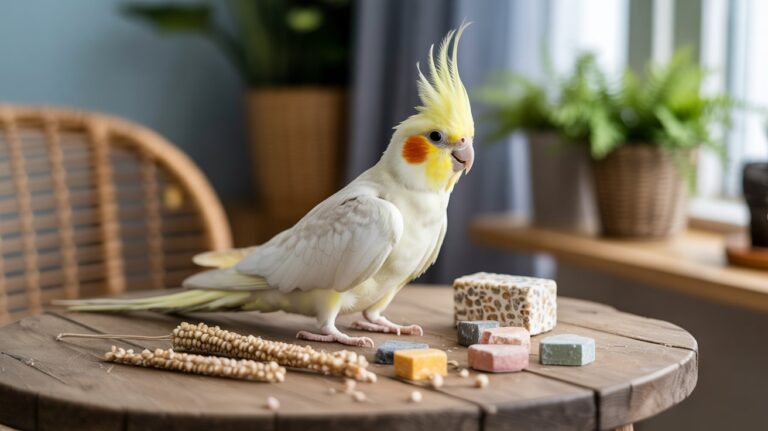
Cuttlebone
- Natural source, decent calcium content
- Many birds ignore it after the first week
- Inconsistent intake, no way to track how much the bird actually consumes
Calcium Powder
- Can be sprinkled on food
- Absorption rate is lower than liquid
- Birds often shake food around, spilling most of the powder anyway
Mineral/Calcium Blocks
- Long-lasting, good for beak conditioning
- Calcium delivery is unpredictable
- Some birds treat it as a toy, not food
Liquid Calcium
- Fast absorption through the digestive system
- Easy to dose accurately into water or soft food
- Works even for picky eaters who refuse solid supplements
- Ideal for sick, elderly, or breeding birds with higher calcium needs
The winner is pretty clear. Liquid calcium gives you control over the dose, ensures consistent intake, and gets to work faster than its solid counterparts.
Shop Top-Rated Liquid Calcium Supplements For Birds On Amazon
What to Look for in a Liquid Calcium Supplement
Not all liquid calcium products are worth your money, and some are so poorly formulated that they barely qualify as supplements. Here is what actually matters when you are reading that label.
Bioavailability of the Calcium Source
This is the big one. The form of calcium used in the supplement determines how much your bird actually absorbs. Here are the most common forms:
- Calcium gluconate — highly bioavailable, gentle on the digestive system, widely used in veterinary medicine
- Calcium lactate — good absorption, often used in liquid formulations
- Calcium carbonate — cheap and common, but significantly lower absorption rate
- Calcium citrate — excellent absorption, does not require stomach acid to dissolve
If a product leads with calcium carbonate and charges a premium price, that is a red flag. You want calcium gluconate or calcium citrate at the top of that ingredient list.
Vitamin D3 Inclusion
Here is something that often gets overlooked. Calcium cannot be properly absorbed without Vitamin D3. A liquid calcium supplement that does not include D3 is only doing half the job.
Birds that live indoors without access to natural sunlight are almost always D3-deficient, which makes this pairing non-negotiable.
Look for a supplement that combines calcium with Vitamin D3 in the same formula.
It saves you from buying two separate products and ensures the nutrients work together the way they are supposed to.
Find Liquid Calcium With Vitamin D3 For Birds On Amazon
Phosphorus Balance
Calcium and phosphorus work together in a specific ratio in the body. The ideal dietary ratio for most birds is roughly 2:1, calcium to phosphorus.
A supplement that throws this ratio way off can actually create problems rather than solve them.
Check whether the product accounts for this balance, especially if your bird is already getting a seed-heavy diet (seeds tend to be high in phosphorus and low in calcium, which is a big part of why deficiency is so common in seed-fed birds).
No Harmful Additives
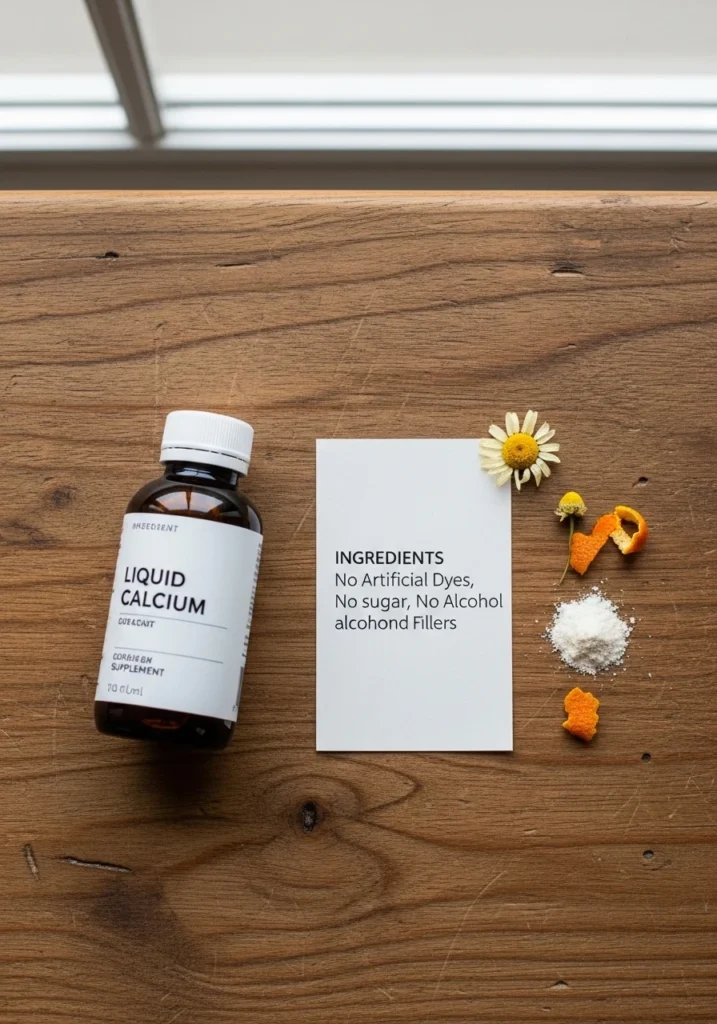
You want the supplement to be free from:
- Artificial dyes or colorings (completely unnecessary and potentially harmful)
- Excess sugar or sweeteners (can disrupt gut flora)
- Alcohol-based preservatives in high concentrations
- Fillers with zero nutritional value
Simple, clean formulations win every time.
How to Actually Use Liquid Calcium Correctly
Buying a great product and then using it wrong is a surprisingly common mistake. Here is how to get the most out of your liquid calcium supplement.
Adding It to Water
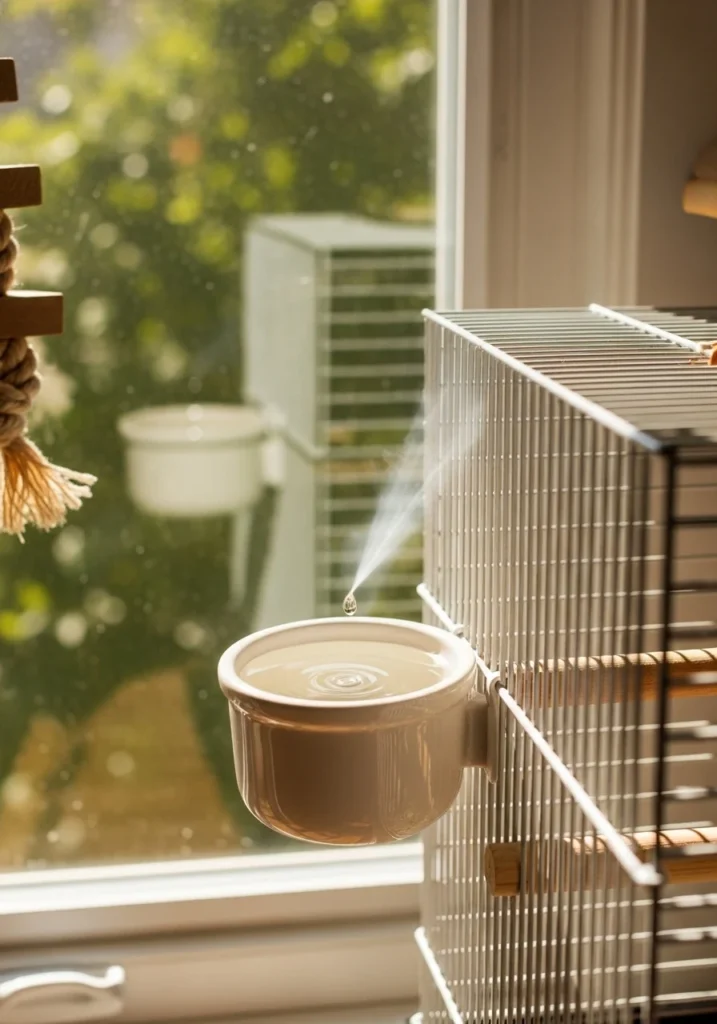
This is the most common method, and it works well for birds that drink regularly. Add the recommended dose to fresh water each morning and replace it daily.
Do not let dosed water sit for more than 24 hours, as bacterial growth becomes a real concern once you introduce any organic supplement to drinking water.
One thing to be aware of: some birds are sensitive to changes in the taste or smell of their water and may drink less if they detect something different.
If your bird suddenly reduces its water intake, try the food method instead.
Mixing It Into Soft Food
For birds on a cooked diet, fruit mashes, or pellet-based meals, mixing liquid calcium directly into the food works beautifully.
The food masks any taste difference, and you can be precise about the dose. This method is particularly useful for sick or recovering birds that need reliable supplementation without any guesswork.
Dosing for Breeding Females
Breeding hens have dramatically higher calcium requirements than non-breeding birds.
During egg laying, a hen deposits a significant amount of calcium into each eggshell, and her body demands rapid replacement.
Double the standard maintenance dose for actively breeding hens, and always follow the product’s specific guidance for breeding birds.
If you are unsure, ask your avian vet for a tailored recommendation.
The Best Situations to Use Liquid Calcium
Liquid calcium is genuinely useful in multiple scenarios, not just for breeding birds or visibly sick ones.
Recovery from illness or surgery. Birds that have been ill, stressed, or recently operated on often have depleted mineral stores.
Liquid calcium helps rebuild those reserves faster than dietary changes alone.
Seed-heavy diets. If your bird eats a predominantly seed-based diet and you have not yet transitioned them to pellets, liquid calcium is practically essential.
Seeds are nutritionally unbalanced, and calcium deficiency in seed-fed birds is extremely common.
Aging birds. Older birds have reduced bone density and sometimes absorb nutrients less efficiently.
A liquid supplement bypasses some of those absorption challenges and keeps calcium levels stable.
High-stress environments. Stress depletes calcium surprisingly quickly.
New additions to the household, changes in routine, or a move to a new environment can all spike a bird’s calcium needs temporarily.
Browse Calcium Supplements For Seed-Fed Birds On Amazon
A Few Things to Get Right From the Start
Even the best liquid calcium supplement can create problems if you misuse it. Over-supplementation is a real risk.
Too much calcium can cause kidney damage, soft tissue calcification, and interfere with the absorption of other minerals like zinc and magnesium.
Stick to the recommended dosing, do not combine multiple calcium products at once, and if your bird is on any medication, run the supplement by your avian vet first.
Calcium can interact with certain antibiotics and other drugs.
Also, do not assume that liquid calcium replaces a balanced diet.
It fills gaps and supports specific needs, but it works best alongside good quality pellets, fresh vegetables, and proper husbandry. Think of it as a tool in your kit, not a cure-all.
Conclusion: Stop Guessing and Start Supplementing Smartly
Calcium deficiency is one of the most preventable health issues in companion birds, yet it remains one of the most common.
The good news is that liquid calcium makes addressing it genuinely straightforward.
No wrestling with birds over cuttlebone, no spilled powder, no wondering whether your bird actually ate any of that mineral block.
Choose a formula with high-bioavailability calcium like calcium gluconate or calcium citrate, make sure it includes Vitamin D3, keep the dosing consistent, and you will see the difference over time.
Better feathers, stronger eggs, more active behavior, and a bird whose bones are not quietly depleting themselves just to keep the lights on.
Your bird cannot tell you when something is missing from their diet. But they absolutely show you.
Pay attention, supplement smartly, and give them the foundation they need to actually thrive.
Shop Liquid Calcium Supplements For Birds On Amazon Today
What Is the Best Liquid Calcium Supplement for Parrots?
The best liquid calcium supplement for parrots has highly bioavailable calcium, like calcium gluconate or calcium citrate, along with Vitamin D3.
These nutrients work together because calcium needs D3 for proper absorption. Avoid products that use only calcium carbonate; its absorption rate is much lower.
African Greys, Amazon parrots, and breeding hens gain the most from this targeted supplementation.
How Do I Add Liquid Calcium to My Bird’s Diet?
You can add liquid calcium to your bird’s drinking water or mix it into soft foods like cooked grains, fruit mashes, or pellet slurries.
The water method is good for healthy birds on a regular routine. The food method allows for better dosing control.
Always change calcium-dosed water every 24 hours to stop bacteria from growing. Follow the manufacturer’s recommended dosage instead of guessing.
Can Too Much Liquid Calcium Harm My Bird?
Yes, over-supplementation is a real risk that many bird owners miss.
Too much calcium can harm the kidneys, cause abnormal deposits in soft tissues, and block the absorption of other key minerals like zinc and magnesium.
Follow the recommended dose on the product label. Don’t use multiple calcium supplements together.
Always consult your avian vet if your bird is on any medication, as calcium can interact with some drugs.
Do Breeding Hens Need More Liquid Calcium Than Other Birds?
Absolutely. Breeding hens add a lot of calcium to each eggshell as they form eggs. This puts huge demands on their bodies.
A hen laying eggs needs about double the usual calcium dose to replace what she loses. Without enough calcium during this time, her body takes calcium from her bones.
This can cause brittle bones, egg binding, and long-term skeletal damage if not fixed.
Why Is Liquid Calcium Better Than Cuttlebone for Birds?
Cuttlebone is a good natural source of calcium, but it has a big drawback: you can’t track how much calcium your bird takes in.
Many birds chew on cuttlebone for beak enrichment instead of nutrition. Others may ignore it after a few days.
Liquid calcium, on the other hand, allows for precise dosing. It absorbs quickly in the digestive system and works well for picky birds that won’t eat solid supplements.