Best Calming Dog Beds for Anxious Dogs
Have you seen your dog pacing like they just had five cups of coffee? I have. My dog used to act as if thunderstorms were a personal attack. Bedtime felt more like a race against anxiety than a chance to rest.
That’s when I knew I needed a change. Surprisingly, a calming dog bed made a bigger difference than I expected.
If your dog has anxiety, restlessness, or stressful naps that don’t help, you’re in the right place. Let’s discuss the best calming dog beds for anxious dogs. We’ll cover what truly works and what’s just marketing fluff with cute photos.
Why Anxious Dogs Struggle to Relax at Rest
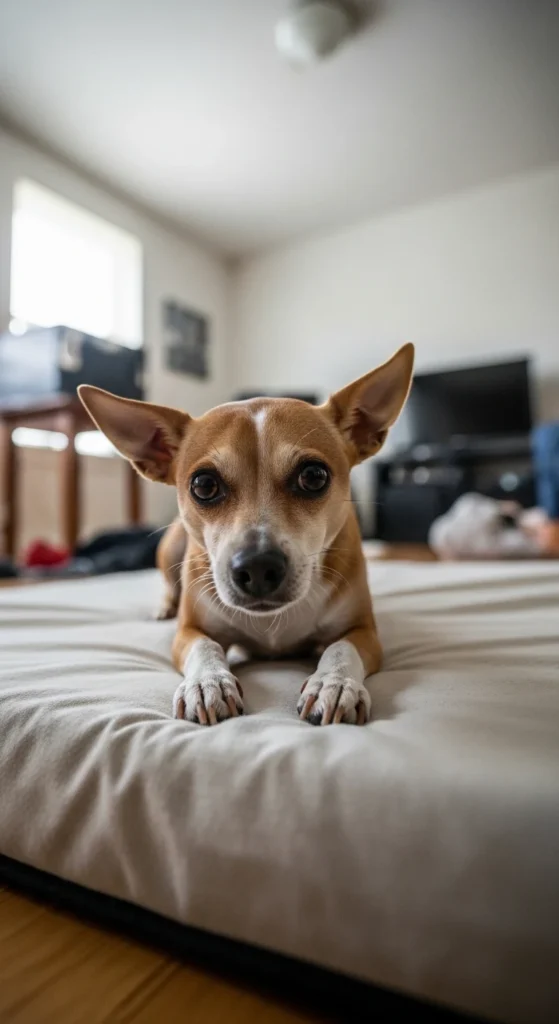
Anxiety does not magically disappear when dogs lie down. In fact, rest time often triggers it.
Anxiety Shows Up Strongest at Bedtime
Dogs process stress differently than we do. When things quiet down, anxious thoughts take center stage. Ever noticed how pacing, whining, or constant repositioning magically appears at night?
Common anxiety triggers include:
- Separation anxiety when you leave the room
- Loud noises like thunder or fireworks
- New environments or recent changes
- Past trauma or lack of early socialization
A good calming bed tackles these triggers head-on instead of pretending they do not exist.
Comfort Equals Safety in a Dog’s Brain
Dogs crave den-like environments. When a bed mimics that feeling, dogs relax faster and stay relaxed longer. That sense of being enclosed and supported tells their nervous system, You are safe. Nothing bad is happening.
That message matters more than most people realize.
What Makes a Dog Bed Truly Calming
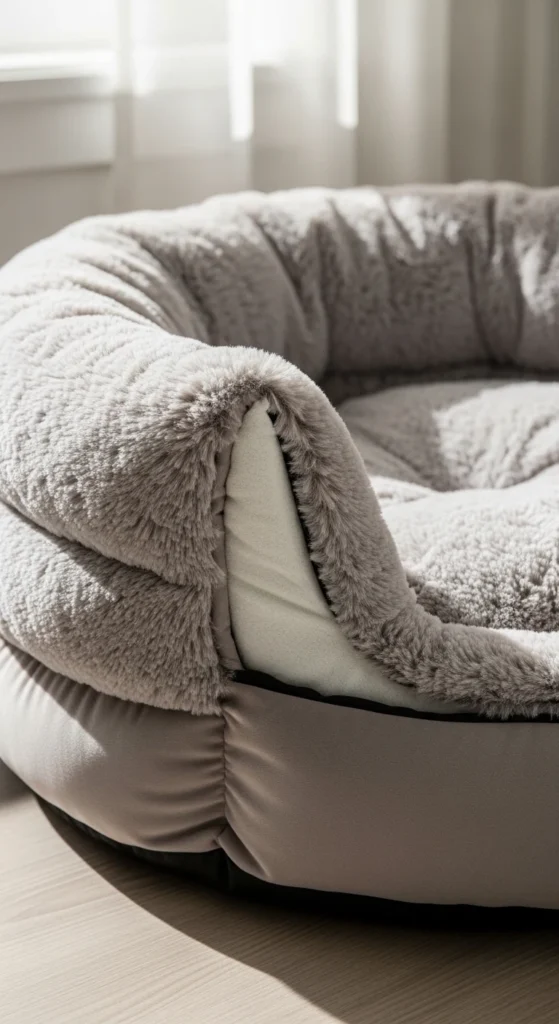
Not every fluffy bed deserves the word calming. Some just look good in photos and disappoint in real life.
The Science Behind Calming Beds
The best calming dog beds work because they apply gentle pressure and provide physical boundaries. That pressure triggers relaxation responses similar to swaddling a baby.
Key calming elements include:
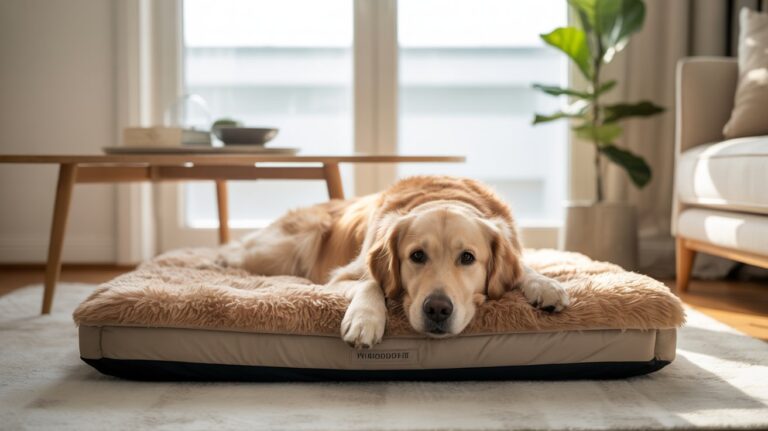
- Raised bolsters or rims that create a nest-like feel
- Soft but supportive filling that molds to the dog’s body
- Plush textures that encourage nesting and pawing
- Warmth retention without overheating
If a bed lacks these features, it might look cozy but it will not calm an anxious dog.
Shop Top Rated Calming Dog Beds
Materials Matter More Than You Think
I learned this the hard way after buying a cheap bed that flattened in two weeks. Dogs feel discomfort faster than we do.
Look for beds with:
- High-density foam or premium polyfill
- Long faux fur or plush microfiber
- Non-slip bottoms so the bed stays put
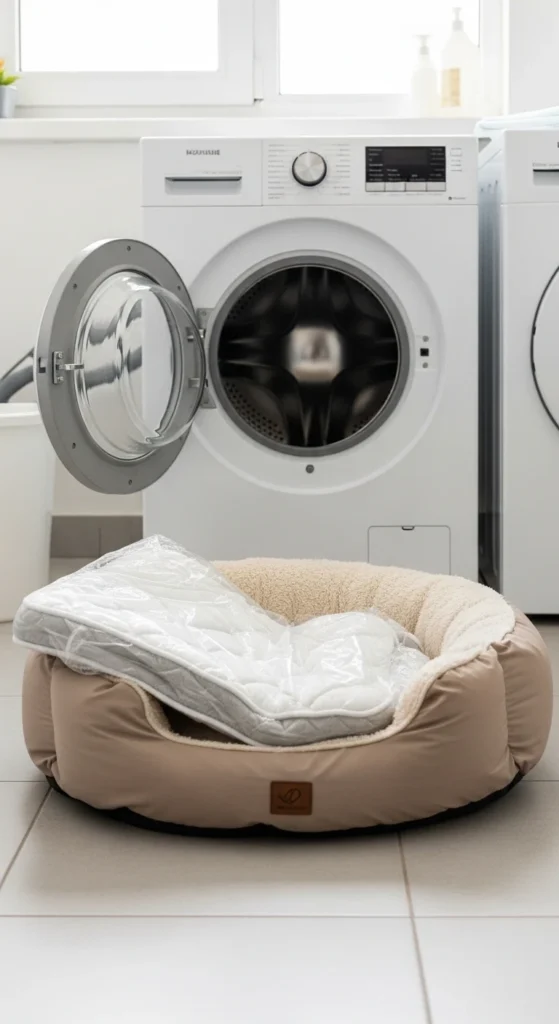
- Machine-washable covers because accidents happen
Yes, quality costs more. No, you will not regret it.
Best Calming Dog Bed Styles for Anxious Dogs
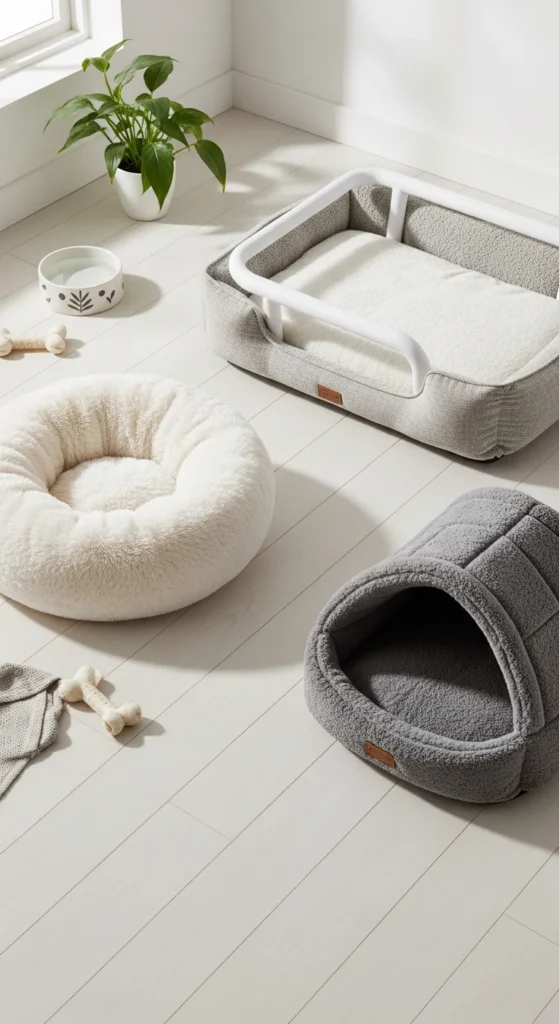
Different dogs need different calming strategies. One style does not fit all, despite what product descriptions claim.
Donut and Nest Beds
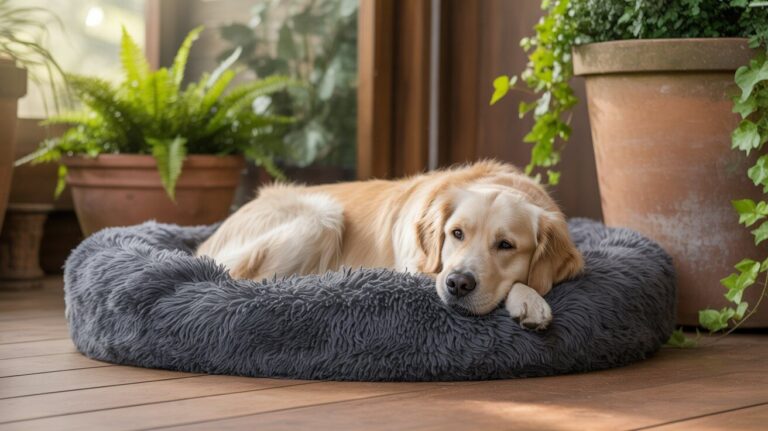
These beds work like a hug that never gets awkward.
Why they work so well:
- Raised circular edges support the neck and head
- Dogs can curl up tightly, which reduces stress
- The shape prevents constant repositioning
My dog stopped circling for ten minutes straight once I switched to a donut-style bed. That alone sold me.
Best for dogs who:
- Curl when they sleep
- Seek physical closeness
- Startle easily
Orthopedic Calming Beds
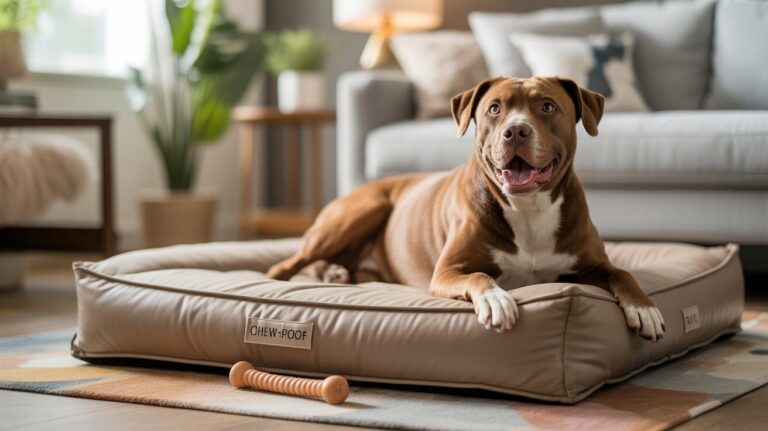
These combine anxiety relief with joint support. Older dogs especially benefit from this combo.
Key benefits include:
- Memory foam that reduces pressure points
- Structured support that prevents sinking
- Calming bolsters without excessive fluff
If your dog has anxiety plus joint pain, this style feels like winning the lottery.
Shop Orthopedic Calming Dog Beds
Cave and Hooded Beds
Some dogs want to disappear from the world when stress hits. Cave beds respect that need.
Why anxious dogs love them:
- Enclosed design blocks light and noise
- Creates a safe hiding space
- Mimics a natural den environment
These beds work wonders for dogs scared of loud noises or sudden movement. Just make sure your dog actually likes enclosed spaces first.
Shop Cave Style Calming Dog Beds
How to Choose the Right Size for Maximum Calm
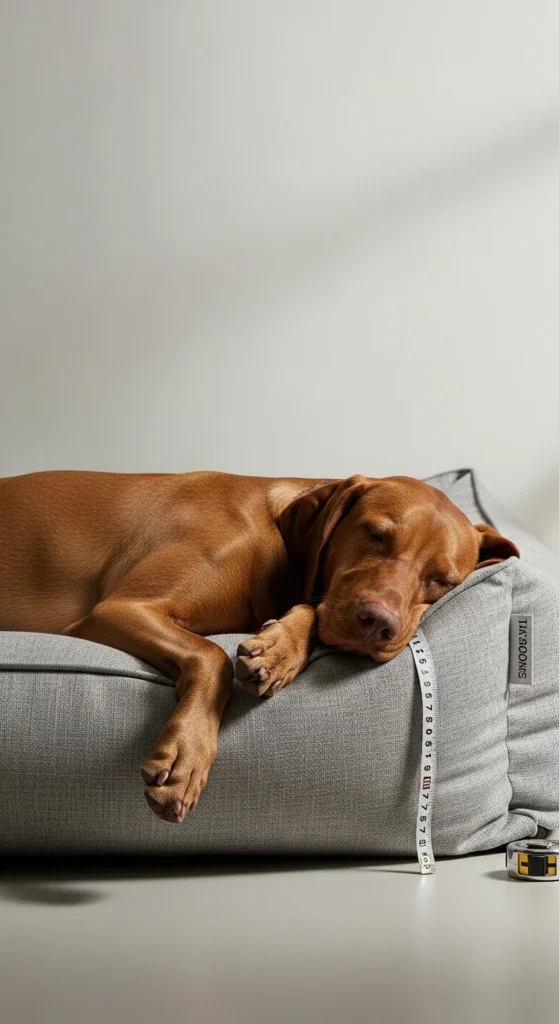
Size mistakes ruin calming benefits faster than anything else.
Too Small Creates Frustration
A bed that barely fits makes dogs feel trapped instead of comforted. That defeats the entire purpose.
Too Large Reduces Security
Oversized beds remove the snug feeling anxious dogs crave. Your dog might sprawl, but anxiety does not sprawl politely.
Sizing tips that actually work:
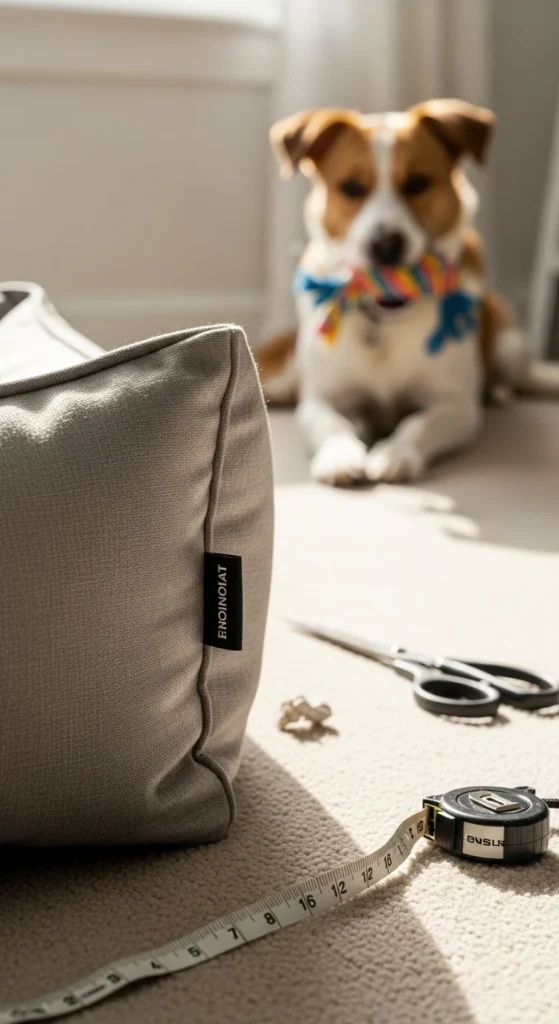
- Measure your dog curled up, not stretched out
- Add 5 to 10 inches for comfort
- Check weight limits, not just dimensions
When in doubt, choose slightly smaller over oversized for anxious dogs.
Find The Right Size Calming Dog Bed
Features That Actually Help Anxious Dogs Sleep Better
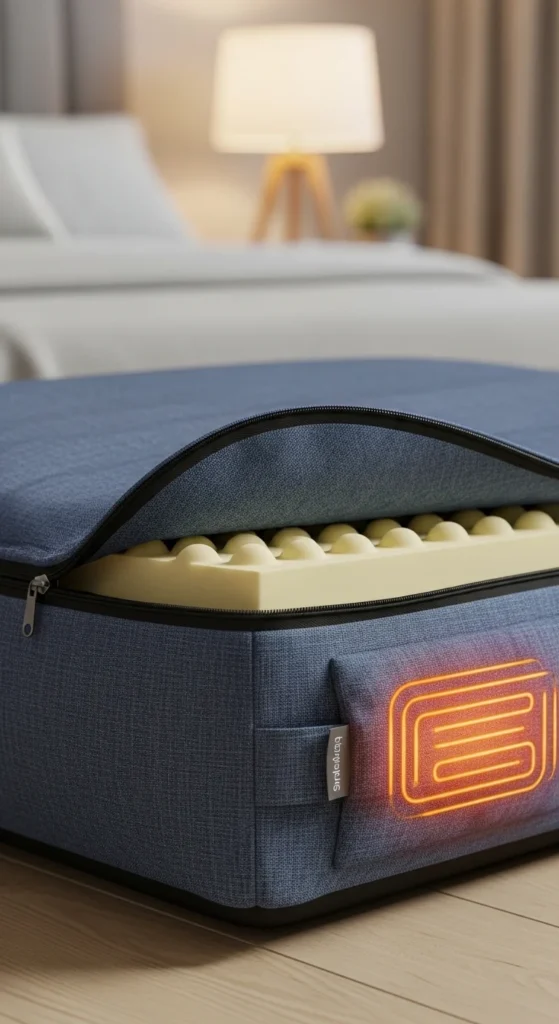
Some features look fancy but do nothing. Others quietly change everything.
Raised Bolsters and Head Support
Dogs rest their heads when they feel safe. A raised edge gives them that option without strain.
Anti Anxiety Textures
Long faux fur mimics the warmth of littermates. Dogs instinctively knead and nest into it.
Non Slip Bottoms
Nothing spikes anxiety like a bed that slides when your dog steps in. Stability builds confidence.
Easy Cleaning
Anxious dogs sometimes drool, shed, or have accidents. A washable bed keeps things stress-free for you too.
How Long It Takes to See Results
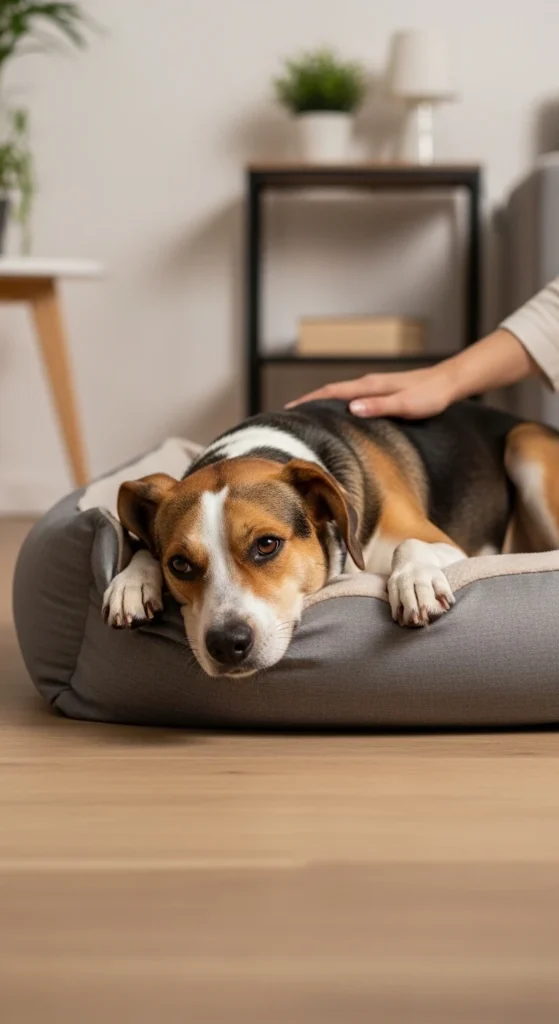
Let us be honest. No bed fixes anxiety overnight.
Typical Adjustment Timeline
Most dogs show noticeable changes within:
- 1 to 3 days for mild anxiety
- 1 to 2 weeks for moderate anxiety
- Up to a month for severe anxiety cases
Consistency matters more than speed.
How to Encourage Bed Use
Some dogs need convincing.
Try this:
- Place the bed in their favorite resting spot
- Add a worn shirt with your scent
- Toss a few treats on the bed
- Praise calmly when they settle
Never force your dog into the bed. That turns comfort into pressure.
Common Mistakes That Ruin Calming Beds
I made these mistakes so you do not have to.
Buying Based on Looks Alone
Instagram aesthetics do not calm dogs. Function always beats appearance.
Ignoring Your Dog’s Sleep Style
A sprawler hates cave beds. A curler feels lost on flat mats. Observe before buying.
Skipping Proper Placement
A calming bed in a noisy hallway will not calm anyone. Choose quiet, low-traffic areas.
Are Calming Dog Beds Worth the Money?
Short answer. Yes.
Long answer. Absolutely yes, if you choose wisely.
A quality calming bed:
- Improves sleep quality
- Reduces pacing and restlessness
- Lowers stress behaviors
- Supports overall mental health
Better sleep improves everything from behavior to immune health. That feels worth the investment.
Shop Top Rated Calming Dog Beds For Anxious Dogs
Final Thoughts on the Best Calming Dog Beds for Anxious Dogs
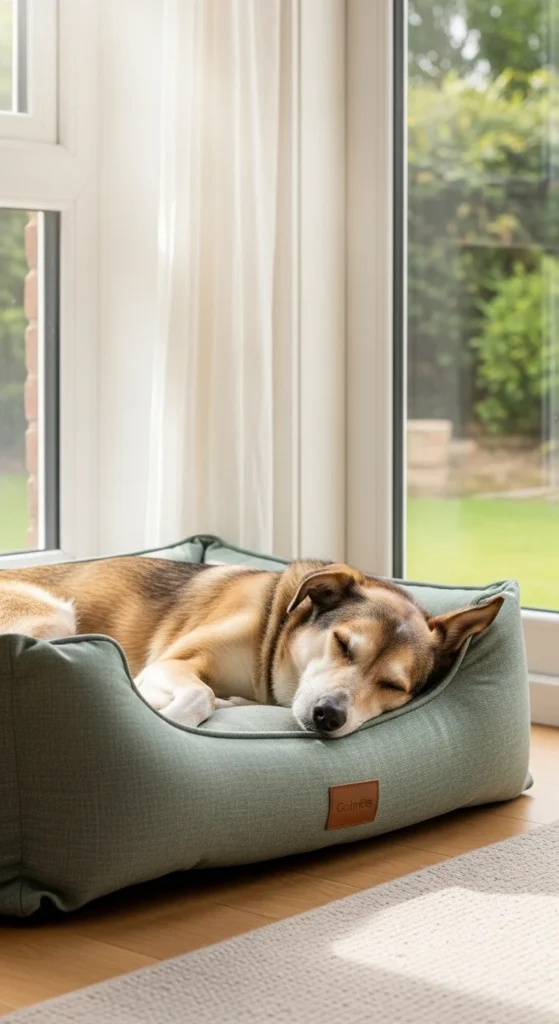
Anxious dogs do not act out for attention. They react to a world that feels overwhelming. A good calming dog bed gives them a safe place to reset, relax, and finally rest without tension.
I watched my dog go from nightly pacing to deep, snoring sleep just by changing his bed. That change still amazes me. If your dog struggles with anxiety, a calming bed might feel like a small step, but it often creates a huge shift.
So ask yourself this. If your dog could finally relax without fear, would it not be worth upgrading where they sleep?
What Is a Calming Dog Bed and How Does It Help Anxiety?
A calming dog bed helps reduce stress by providing safety and comfort. Most calming beds have raised edges, soft materials, and supportive filling.
These features encourage dogs to curl up naturally, making them feel protected and secure while resting.
For anxious dogs, this design sends soothing signals to their nervous system. The gentle pressure and cozy feel mimic the comfort of puppyhood. This helps lower stress and promotes deeper, more restful sleep over time.
Do Calming Dog Beds Really Work for Anxious Dogs?
Yes, calming dog beds help many anxious dogs. They work well for those who are restless, pace, or have sleep disruptions. While they aren’t a cure for severe anxiety, they create a supportive space that lowers stress during rest.
Choosing the right bed is crucial. Dogs that curl up or seek comfort benefit the most. Also, consistent placement can boost their effectiveness.
How Long Does It Take for a Dog to Adjust to a Calming Bed?
Most dogs adjust to a calming bed in a few days. This is especially true if they like soft or enclosed sleeping areas. Dogs with mild anxiety often improve quickly. However, dogs with deeper anxiety may take one to two weeks to settle fully.
Gently encouraging your dog can help speed things up. Place the bed in a familiar spot, add your scent, and let your dog explore it freely. This increases comfort and acceptance.
What Size Calming Dog Bed Should I Choose?
Choosing the right size is key for calming benefits. A bed that’s too large loses the snug feeling anxious dogs need. A bed that’s too small causes discomfort and frustration.
Measure your dog while curled up, then add a few inches for comfort. For anxious dogs, a snug fit is better than an oversized bed. It boosts their sense of security.
Are Calming Dog Beds Better Than Crates for Anxiety?
Calming dog beds and crates have different purposes. Calming beds provide a softer, more comforting spot for rest and sleep. Unlike crates, calming beds don’t feel restrictive. They let dogs relax without the stress of confinement.
For dogs that dislike crates or see them as isolating, calming beds offer a safer emotional space. Some owners place calming beds inside open crates. This way, they combine both benefits without causing pressure.