Best Cat Food for Itchy Skin and Allergies
If your cat has made scratching a full-time job, you’re not alone. It can be tough to see your furry friend dig at their ears, chew their paws, or develop bald spots from constant grooming.
While vet visits help, the real solution may lie in your cat’s food bowl.
Diet plays a big role in your cat’s skin health. The right food can ease inflammation and reduce allergic reactions.
This can help your cat feel soft and comfortable again. Let’s discuss what works, what to look for, and how to choose wisely in the pet food aisle.
Why Food Causes Itchy Skin in Cats
Before we get into specific food recommendations, it helps to understand what is actually happening inside your cat’s body.
Food allergies in cats are not some rare, exotic condition. They are surprisingly common, and chicken, beef, dairy, and fish are the usual suspects.
When your cat’s immune system decides to wage war on a specific protein, the fallout often shows up on the skin. You get inflammation, histamine release, and a cat who cannot stop scratching.
The frustrating part? Symptoms can take months or even years of eating the same ingredient before they show up.
The Difference Between Food Allergies and Food Intolerances
These two terms get tossed around like they mean the same thing, but they do not.
A food allergy triggers an immune response, while a food intolerance causes digestive upset without involving the immune system.
For itchy skin specifically, you are almost always dealing with a true food allergy. Common signs include:
- Persistent scratching around the head, neck, and ears
- Hair loss or over-grooming
- Skin redness or hot spots
- Recurring ear infections
- Vomiting or diarrhea alongside skin symptoms
What to Look for in Cat Food for Allergies
Not every “sensitive skin” label on a bag of cat food means it will actually help your cat. Marketing teams are creative people.
You need to learn how to read past the pretty packaging and focus on what matters.
Novel Protein Sources
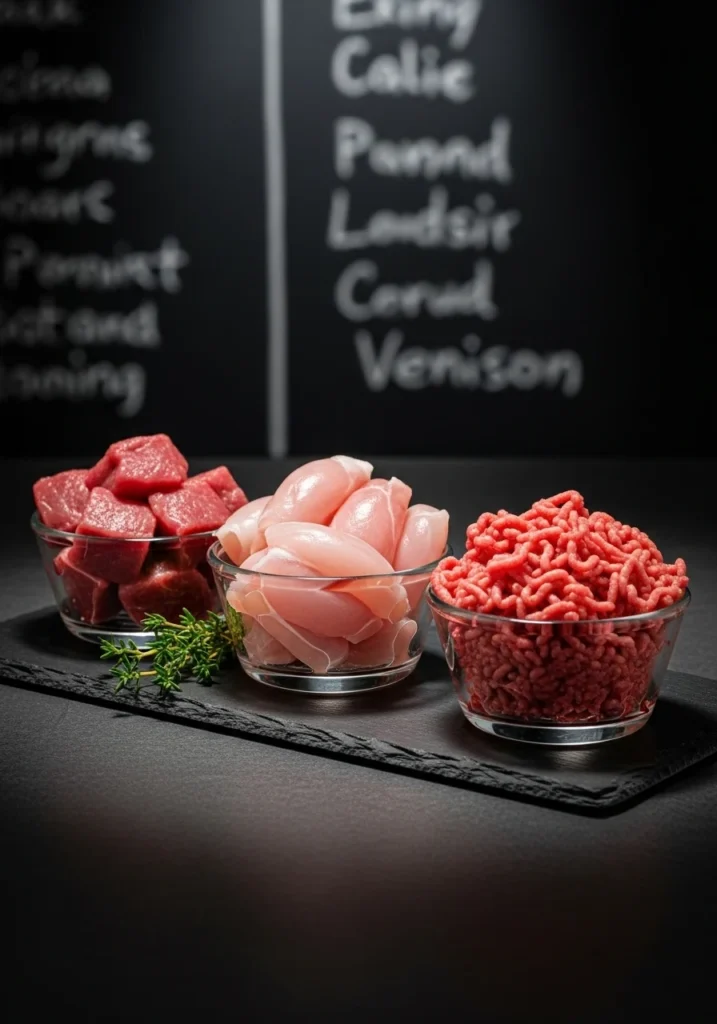
Novel proteins are the gold standard for allergic cats. A novel protein is simply a protein your cat has never eaten before, meaning their immune system has no reason to attack it.
Think duck, venison, rabbit, kangaroo, or even alligator (yes, that exists).
The logic here is solid. If your cat has only ever eaten chicken and beef, switching to rabbit gives their immune system nothing to react to.
Many veterinary dermatologists recommend this approach as a starting point for diagnosing and managing food allergies.
Hydrolyzed Protein Formulas
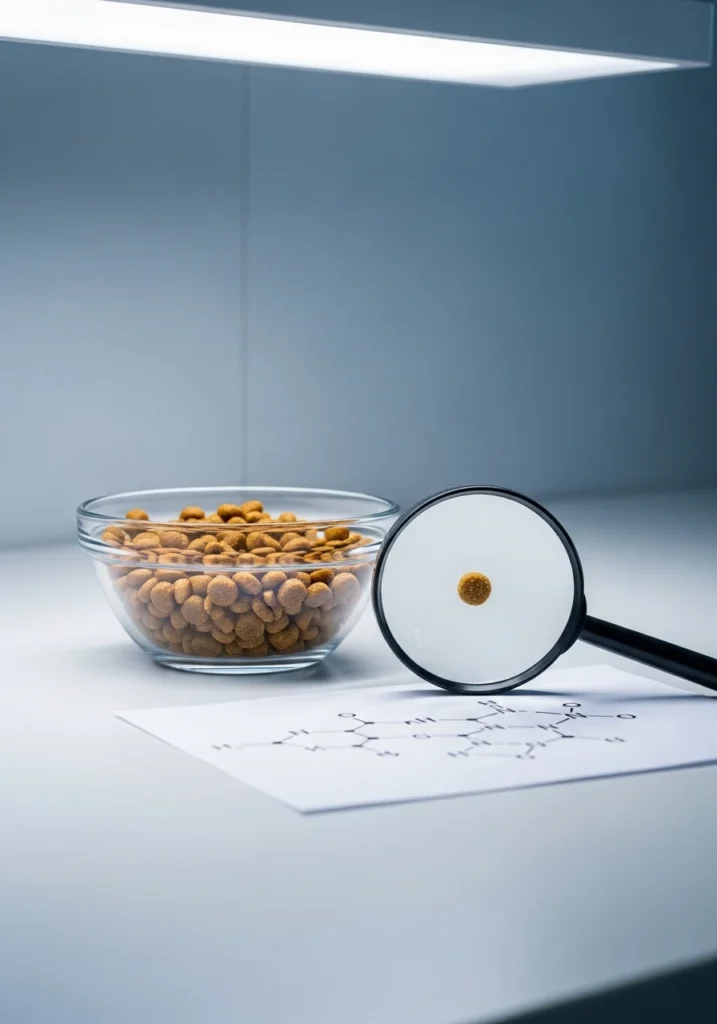
Here is where things get a little science-y. Hydrolyzed protein foods break proteins down into such tiny particles that the immune system does not recognize them as threats.
It sounds like something out of a lab, because it is. These diets were originally developed for veterinary use, but several brands now offer over-the-counter versions.
They work well for cats with severe or multiple protein allergies. The downside? They can be expensive, and some cats find them less palatable than regular food.
Limited Ingredient Diets (LID)

A limited ingredient diet does exactly what the name says. Fewer ingredients mean fewer potential allergens. A good LID has one protein source, one carbohydrate source, and minimal additives.
This approach also makes it much easier to do an elimination diet, which is the most reliable way to identify exactly what your cat is reacting to.
Omega-3 Fatty Acids
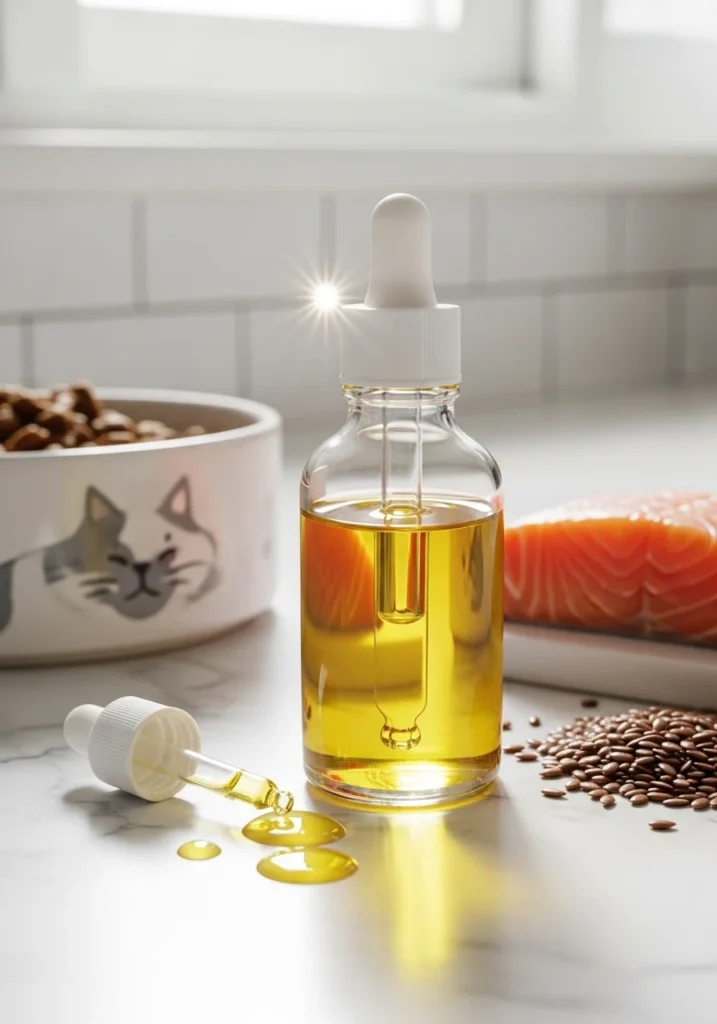
Regardless of the allergen situation, omega-3 fatty acids are your cat’s skin best friend. EPA and DHA, found in fish oil and certain algae-based sources, actively reduce skin inflammation.
They strengthen the skin barrier, reduce moisture loss, and make the coat shinier and softer.
When evaluating cat food, look for ingredients like salmon oil, flaxseed, or specifically listed EPA and DHA content.
If a food lacks omega-3s, you can always supplement with a fish oil product, but getting it straight from the food is more convenient.
Grain-Free Versus Grain-Inclusive
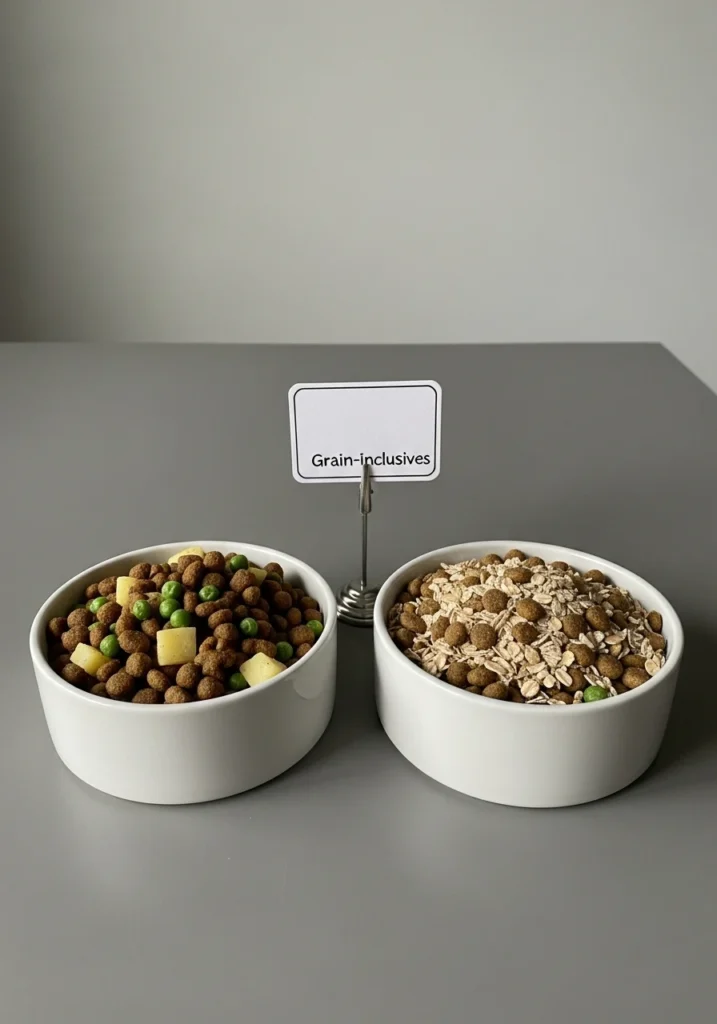
Let’s address this debate head-on. Grains are rarely the cause of feline food allergies. True grain allergies in cats exist, but they are far less common than protein allergies.
The grain-free trend in pet food was largely a marketing phenomenon, not a veterinary recommendation.
That said, some cats do react to corn or wheat specifically. If you suspect a grain issue, an elimination trial will confirm it.
But if you are choosing grain-free food purely because you think it is healthier by default, you may be paying a premium for no real benefit.
Top Types of Cat Food to Consider
Rather than endorsing specific brands (because formulas change and availability varies by region), let us break down the types of food that consistently perform well for allergic, itchy cats.
Wet Food Over Dry for Allergy-Prone Cats
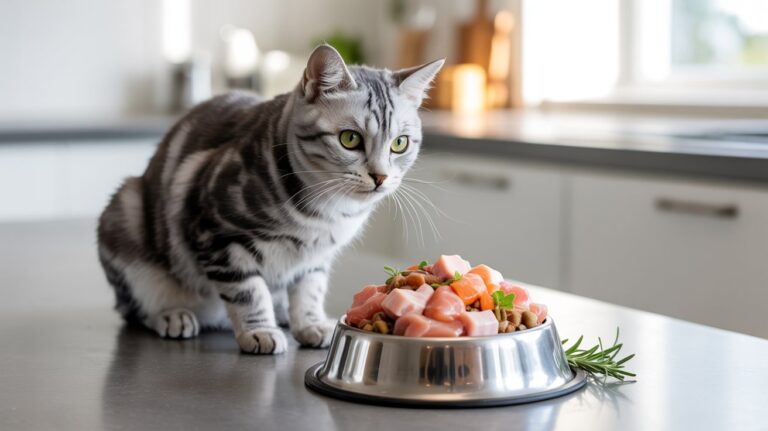
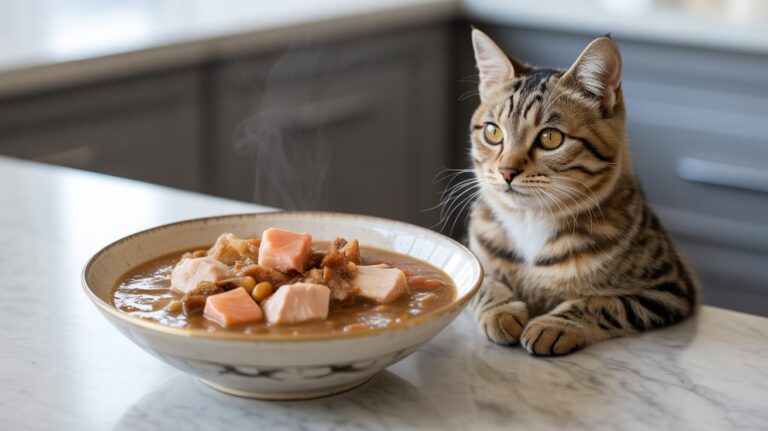
If your cat primarily eats dry kibble, this is worth knowing. Wet food generally has a shorter ingredient list, higher moisture content, and less reliance on fillers and preservatives.
For cats with skin issues, the added hydration also supports kidney function and overall skin health.
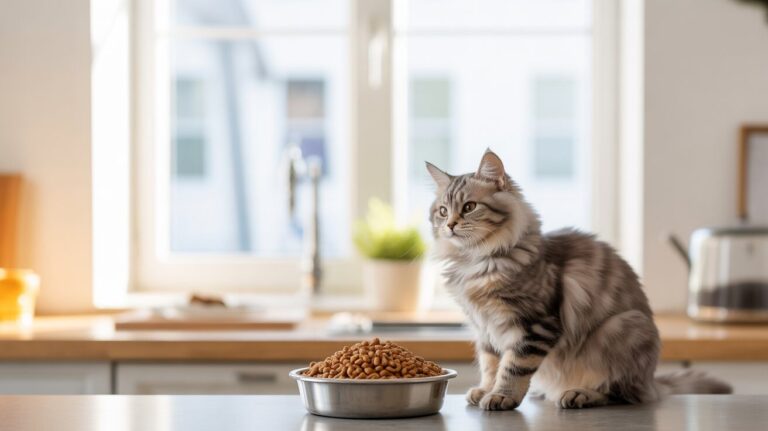
Dry food is not evil. But if you are dealing with a cat who scratches constantly, switching to a high-quality wet food as the primary diet is a logical first step.
Explore High-Quality Wet Cat Food for Sensitive Skin on Amazon
Raw and Freeze-Dried Diets
Raw diets have passionate advocates in the cat owner community.
The argument is that minimally processed food retains more nutrients, contains no artificial additives, and more closely mirrors what cats would eat in the wild.
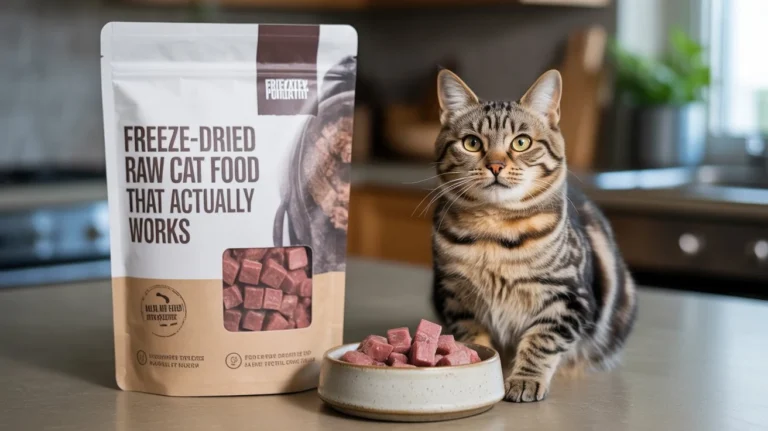
Some cats with chronic allergies do improve significantly on raw or freeze-dried diets, particularly when the food contains a single novel protein.
However, raw feeding requires careful handling to prevent bacterial contamination, and it is not for everyone.
If you go this route, choose commercially prepared raw foods that follow safety standards rather than assembling a homemade version without veterinary guidance.
Prescription Hydrolyzed Diets
If over-the-counter options are not cutting it, your vet may recommend a prescription hydrolyzed diet. Royal Canin HP, Hill’s z/d, and Purina Pro Plan HA are the most commonly prescribed options.
These diets are specifically formulated to be hypoallergenic and are often used during formal elimination diet trials.
They are not glamorous, and your cat may need some convincing to eat them. But for severe allergy cases, they often produce the clearest results.
How to Do an Elimination Diet the Right Way
An elimination diet is the only reliable way to identify a food allergy. And honestly, most cat owners get this wrong because they do not stick to it strictly enough.
Here is how to do it properly:
- Choose a food with a single novel protein and novel carbohydrate that your cat has never eaten before.
- Feed exclusively that food for 8 to 12 weeks. No treats, no table scraps, no flavored medications unless approved by your vet.
- Monitor symptoms weekly and note any changes in scratching, skin appearance, or coat quality.
- After the trial period, if symptoms improve, reintroduce the original food to confirm the reaction returns.
- Then systematically reintroduce ingredients one at a time to identify the specific trigger.
The biggest mistake people make is cheating on the elimination diet. One chicken-flavored treat can reset the entire process.
Eight weeks feels like a long time, but it is worth doing correctly.
Ingredients to Actively Avoid
Knowing what to look for is half the battle. Knowing what to avoid is the other half.
Watch out for these common problem ingredients in cat food for allergic animals:
- Chicken, beef, and fish as primary proteins if your cat has existing symptoms (these are the most common allergens)
- Artificial preservatives like BHA, BHT, and ethoxyquin, which can trigger or worsen inflammatory responses
- Corn syrup and artificial sweeteners, which serve no nutritional purpose
- Excessive fillers like corn gluten meal and soy, especially in foods marketed as “natural”
- Unnamed meat sources listed as “meat meal” or “animal by-products” with no species identified
A good rule of thumb: if you cannot identify the protein source from the label, move on.
Supporting Skin Health Beyond the Food Bowl
Food is the foundation, but a few extras can make a real difference for cats with chronic skin issues.
Probiotics support gut health, and since a significant portion of the immune system lives in the gut, a balanced microbiome can reduce the severity of allergic reactions.
Several cat-specific probiotic products exist, or you can look for foods that already contain live cultures.
Regular grooming removes environmental allergens like pollen and dust that can compound food-related skin irritation.
For long-haired cats especially, keeping the coat clean and mat-free reduces the buildup of irritants against the skin.
And if your cat’s symptoms include both skin issues and digestive upset, mention that combination specifically to your vet.
It can help narrow down whether you are dealing with a food allergy, environmental allergy, or both.
Find Cat-Friendly Probiotics and Omega-3 Supplements on Amazon
Final Thoughts
Finding the best cat food for itchy skin and allergies takes patience, some label-reading skills, and a willingness to do a proper elimination trial if needed.
It is not always a quick fix, but when you find the right food, the improvement in your cat’s comfort and quality of life is genuinely remarkable.
Start with a limited ingredient food featuring a novel protein, add in omega-3 fatty acids, ditch the fillers, and give the process enough time to actually work.
Your cat cannot tell you what is bothering them, but they will absolutely show you when something finally helps.
And nothing beats watching a previously miserable, itchy cat settle into a deep, unbothered nap.
That is the goal. That is always the goal.
What Is the Best Cat Food Ingredient for Itchy Skin?
The best ingredient to choose is a novel protein your cat hasn’t tried before, like duck, rabbit, or venison. Pair this with food high in omega-3 fatty acids, such as EPA and DHA.
These fats help reduce skin inflammation and strengthen the skin barrier. Together, they tackle both the allergic trigger and the inflammation causing the itch.
How Long Does It Take for a New Cat Food to Clear Up Skin Allergies?
Most vets and veterinary dermatologists suggest a strict elimination diet for 8 to 12 weeks. This helps you see if a new food works.
Skin allergies take time to heal because the immune system needs a full reset. Don’t decide about a new food after just two or three weeks. You won’t get a clear answer then.
Can Grain-Free Cat Food Help With Allergies and Itchy Skin?
Grain-free food can help if your cat has a grain sensitivity. However, true grain allergies in cats are rare. Most food allergies in cats come from animal proteins like chicken, beef, or fish, not grains.
Switching to grain-free food without knowing the real trigger may not give you the results you want.
What Is a Hydrolyzed Protein Cat Food and Is It Worth It?
Hydrolyzed protein cat food breaks proteins into tiny particles. This size makes it hard for the immune system to recognize or react to them. It’s allergy-proof food, made for veterinary use.
Consider it for cats with severe or multiple food allergies, especially if over-the-counter limited ingredient foods haven’t helped.
Should I See a Vet Before Switching My Cat to an Allergy Diet?
Yes, this is not just a cautious answer. A vet can rule out environmental allergies, parasites, and fungal infections. These can mimic food allergy symptoms.
Without a proper diagnosis, you might spend months changing foods. You could be chasing a problem that isn’t diet-related. A vet visit early on saves time, money, and frustration.