Best Dog Food for Healthy Shar-Pei Skin Folds
Shar-Pei owners know a secret that other dog parents don’t: those adorable wrinkles come with a price tag written in vet bills.
I learned this the hard way with my own wrinkly companion, who turned out to be allergic to roughly half the ingredients on a standard pet store shelf.
If you’re here, you’re probably staring at your pup’s folds wondering why they look angry again, and you want real answers, not another generic “feed your dog quality food” article.
I’ve spent years researching, testing, and occasionally crying over vet invoices to figure out what actually works for Shar-Pei skin health.
This guide breaks down exactly what to feed your wrinkly friend, what to avoid, and why diet matters more for this breed than almost any other. Let’s get into it.
Why Shar-Pei Skin Needs Special Attention
Shar-Peis aren’t just wrinkly for fun. Their skin folds trap moisture, bacteria, and yeast like a five-star resort for microbes.
Add a genetic predisposition to food allergies and skin sensitivities, and you’ve got a breed that practically demands a thoughtful diet.
Ever wonder why your vet keeps asking about food before anything else? That’s because diet directly impacts skin barrier function in this breed.
A poor diet doesn’t just cause itchy skin. It can trigger full-blown infections hiding in those adorable folds.
The Shar-Pei Fever Connection
Many Shar-Peis carry a genetic trait linked to Familial Shar-Pei Fever, which causes inflammation throughout the body, including the skin.
This inflammation makes their skin even more reactive to irritants and allergens. Feeding the wrong food essentially throws fuel on a fire that’s already smoldering.
I’m not saying diet cures this condition. I am saying the right food reduces the inflammatory load your dog’s body has to deal with daily.
Shop Limited Ingredient Dog Food
What Makes a Dog Food Actually Good for Skin Folds
Forget the marketing on the bag for a second. Here’s what genuinely matters when you’re choosing food for skin fold health.
Limited Ingredient Formulas
Shar-Peis are notorious for developing allergies to common proteins like chicken and beef.
A limited ingredient diet (LID) removes the guesswork by using one protein source and minimal fillers. This makes it far easier to pinpoint what’s actually causing a flare up.
My dog did noticeably better once I switched to a single protein formula. Coincidence? I don’t think so, and neither did my vet.
High Quality Omega Fatty Acids
Omega-3 and Omega-6 fatty acids are the backbone of healthy skin and a shiny coat.
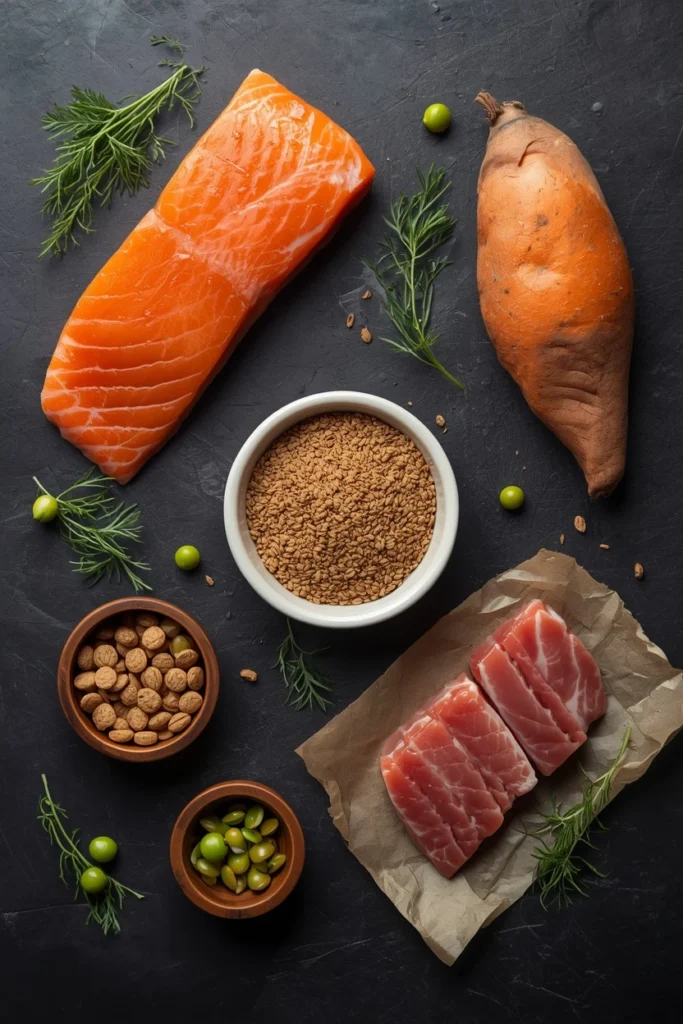
These fats strengthen the skin barrier, reduce inflammation, and keep those folds from turning into a bacterial buffet. Look for fish oil, salmon, or flaxseed near the top of the ingredient list.
Novel Protein Sources
If your Shar-Pei has already tried and failed on chicken or beef, a novel protein like duck, venison, or rabbit can be a game changer.
These proteins are less likely to trigger an immune response simply because the dog’s body hasn’t built up sensitivities to them yet.
Grain Considerations
Grains themselves aren’t the villain the internet made them out to be a few years back. However, some Shar-Peis do show sensitivities to wheat, corn, and soy specifically.
Watching how your dog responds to grain-inclusive versus grain-free formulas tells you far more than any blog post ever could.
Top Dog Food Picks for Shar-Pei Skin Health
I’m not here to just throw brand names at you without context. Here’s a breakdown of the types of formulas that consistently perform well for this breed, based on ingredient quality and real-world results.
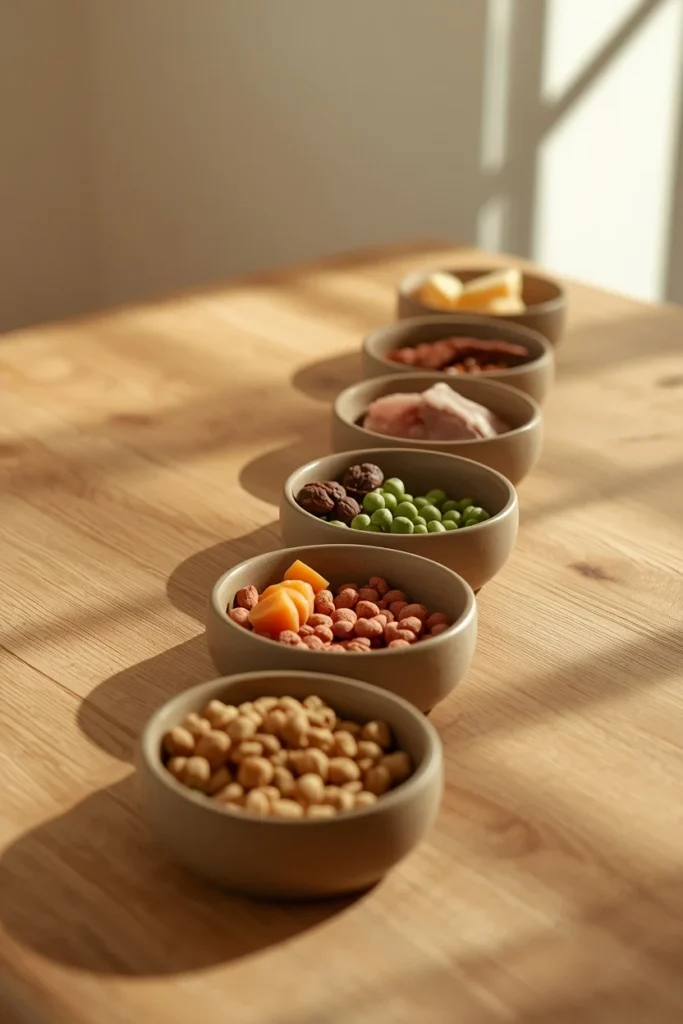
- Limited Ingredient Salmon and Sweet Potato Formulas: Great for dogs with multiple protein sensitivities, loaded with Omega-3s.
- Duck and Pea Recipes: A solid novel protein option that rarely triggers reactions.
- Grain-Free Venison Formulas: Works well for dogs with both grain and common protein sensitivities.
- Hydrolyzed Protein Diets: Often prescribed by vets for severe allergy cases where even novel proteins cause issues.
- Rabbit Based Formulas: An excellent choice for dogs who’ve tried nearly everything else.
What I’d Personally Avoid
I’ve tested enough formulas to have strong opinions here, so let me save you some trial and error.
- Foods with artificial colors and preservatives (your dog doesn’t care if the kibble looks appetizing to you)
- By-product meals as the primary protein source
- Formulas loaded with multiple protein sources when you’re still trying to identify allergens
- Anything with a long list of unpronounceable additives
How to Transition Your Shar-Pei to a New Food
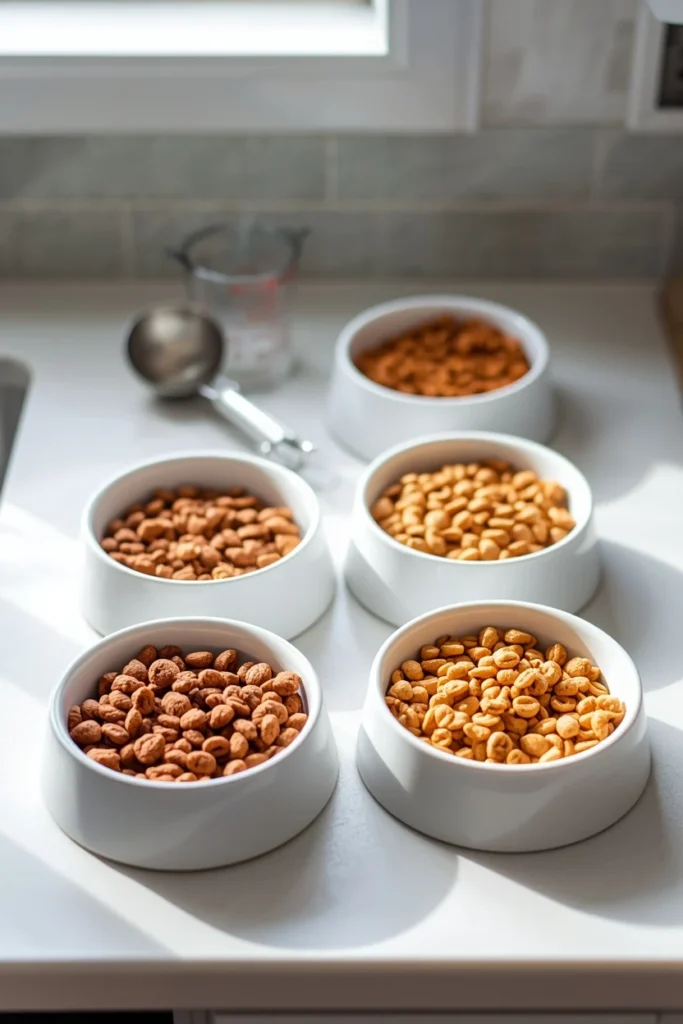
Switching foods abruptly is a recipe for digestive chaos, and trust me, you do not want to deal with that on top of skin issues.
A gradual transition over 7 to 10 days gives your dog’s gut time to adjust without added stress.
- Start with 75% old food, 25% new food for two to three days.
- Move to a 50/50 mix for another two to three days.
- Shift to 25% old food, 75% new food for a few more days.
- Finish with 100% new food once your dog shows no digestive upset.
Patience here pays off. Rushing the process often masks whether the new food is actually helping or whether your dog just has an upset stomach.
Shop Skin-Friendly Dog Food Formulas
Supplementing Diet for Extra Skin Support
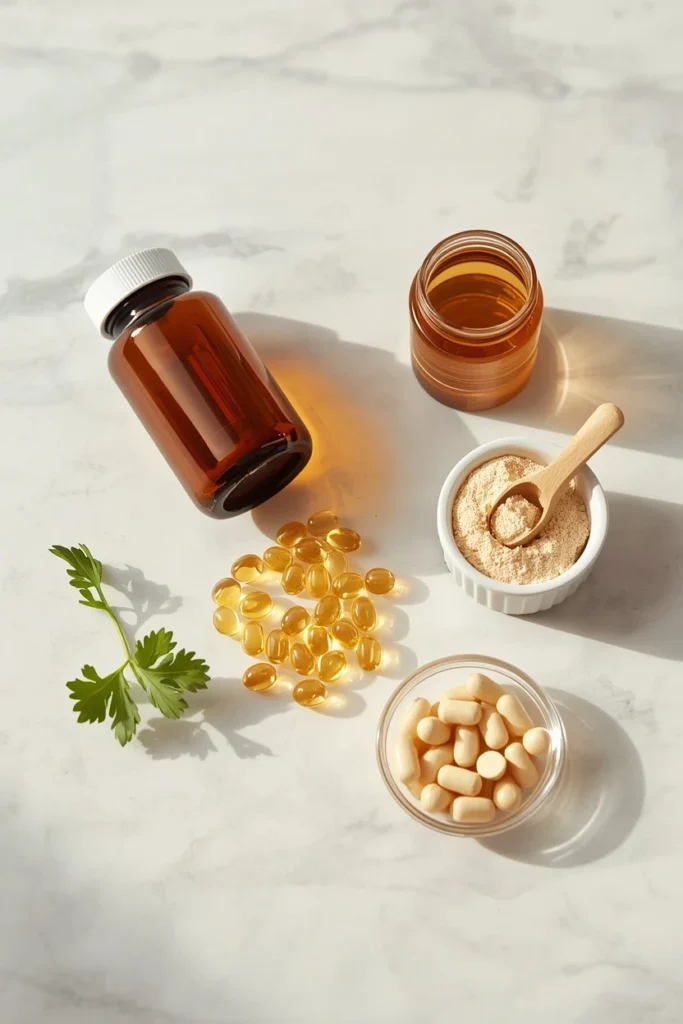
Sometimes food alone doesn’t cut it, and that’s perfectly normal. Supplements can fill in the gaps, especially for dogs dealing with chronic skin fold issues.
Fish Oil Supplements
Adding a fish oil supplement on top of a quality diet can boost Omega-3 intake beyond what the food alone provides.
This extra support often shows up as a noticeably shinier coat within a few weeks. I noticed the difference in my own dog faster than I expected.
Probiotics
A healthy gut often means healthier skin, since so much of the immune system lives in the digestive tract.
Probiotic supplements designed for dogs can help regulate inflammation from the inside out. Think of it as building a stronger foundation rather than just patching symptoms.
Digestive Enzymes
Some Shar-Peis struggle to properly break down and absorb nutrients, which shows up as poor skin and coat quality despite eating good food.
Digestive enzyme supplements help the body actually use what it’s eating. This matters more than people realize when a dog’s skin keeps misbehaving for no obvious reason.
Shop Fish Oil Supplements For Dogs
Reading Labels Like You Actually Know What You’re Doing
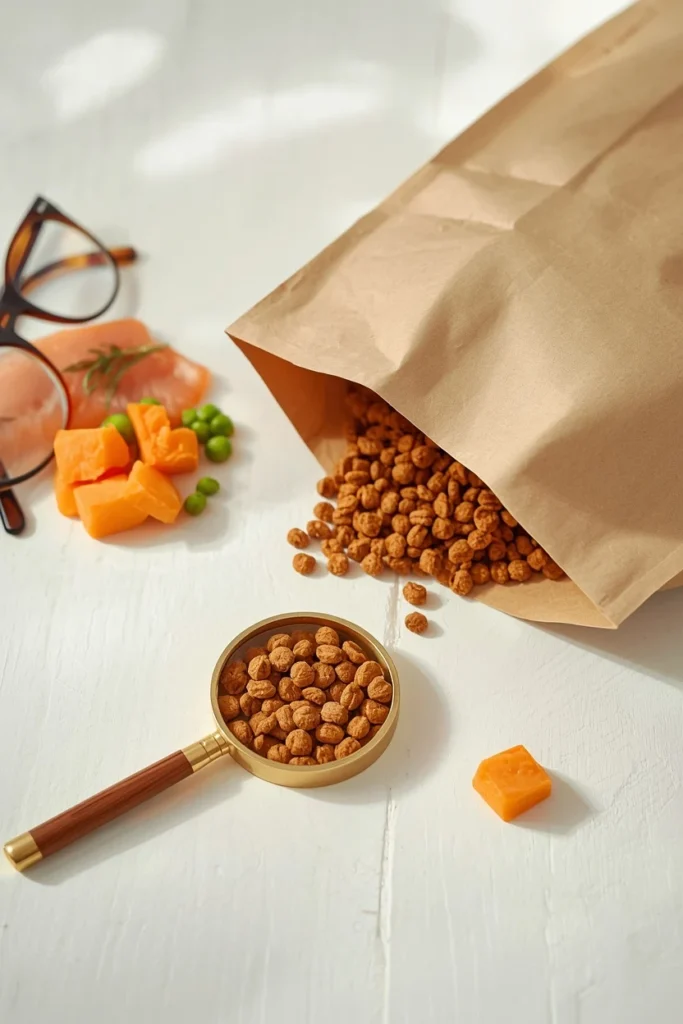
Pet food marketing loves vague, feel-good language that means absolutely nothing. “Natural” and “premium” aren’t regulated terms, so don’t let them influence your decision.
Instead, focus on the actual ingredient list and guaranteed analysis.
Look for a named protein source as the first ingredient, not a vague category like “meat meal.” Check the fat content, since skin health depends heavily on adequate healthy fats.
And always cross reference ingredients against your dog’s known sensitivities before tossing a new bag in your cart.
Working With Your Vet for the Best Results

I can’t stress this enough: diet changes work best alongside professional guidance, especially for a breed with as many quirks as the Shar-Pei.
A vet can run allergy testing or elimination diet trials to pinpoint exactly what’s triggering your dog’s skin issues.
Guessing your way through dozens of food bags gets expensive fast, and your dog deserves better than a trial-and-error approach that drags on for months.
Bring a food diary to your vet appointments if you can. Tracking what your dog eats alongside flare ups creates a pattern that’s far easier to spot on paper than in your head.
Shop Dog Probiotic Supplements
Wrapping It Up
Feeding a Shar-Pei isn’t rocket science, but it does require more attention than tossing whatever’s on sale into their bowl.
Focus on limited ingredients, quality proteins, and solid Omega fatty acid content, and you’ll already be ahead of most dog owners out there.
Pair that with patience during transitions and a good relationship with your vet, and those folds have a real shot at staying happy and irritation free.
Your wrinkly buddy didn’t choose those skin folds, but you get to choose what goes in the food bowl.
Make it count, because nobody wants to explain to their dog why snack time got cancelled over kibble research.
What Is The Best Protein Source For A Shar-Pei With Skin Issues
Novel proteins like duck, venison, or rabbit tend to work best since most Shar-Peis haven’t built up sensitivities to them yet.
If your dog has already struggled with chicken or beef, switching to one of these is usually the first step your vet will suggest.
Can Grain-Free Food Help With Shar-Pei Skin Fold Problems
Grain-free food helps some Shar-Peis, but it isn’t a guaranteed fix for every dog.
The real issue is usually a specific allergen, which could be a grain or could just as easily be a protein, so testing matters more than blindly going grain-free.
How Long Does It Take To See Skin Improvement After Changing Food
Most owners notice visible changes within 4 to 8 weeks of a consistent diet change. Skin cell turnover takes time, so patience matters more than switching foods again after only a week or two.
Do Shar-Peis Need Special Supplements For Their Skin Folds
Many Shar-Peis benefit from fish oil and probiotic supplements added to a quality diet.
These supplements support skin barrier health and gut function, both of which play a role in keeping those folds irritation free.
Should I Consult A Vet Before Switching My Shar-Pei’s Diet
Yes, especially if your dog already shows signs of chronic skin issues or allergies.
A vet can guide you through elimination trials or allergy testing, which saves you money and your dog unnecessary discomfort compared to guessing on your own.