Best Daily Dog Vitamins for Puppies and Senior Dogs
Your dog’s tail wags every morning like you hung the moon. Don’t they deserve that same love back? One key way to keep that tail wagging is by giving them the right vitamins daily.
Whether you have a playful eight-week-old pup or a gray-muzzled senior who loves to nap, their nutritional needs are very different and equally important.
This article covers the best daily vitamins for puppies and senior dogs.
It explains why each life stage needs specific nutrients and how to choose effective options without becoming a researcher. Let’s dive in.
Shop Top-Rated Dog Multivitamins on Amazon
Why Daily Dog Vitamins Actually Matter
You might be thinking, “My dog eats quality kibble, so we are covered, right?” Not necessarily.
Commercial dog food does meet basic nutritional standards, but it does not always cover the full spectrum of what a growing puppy or aging dog needs to truly thrive.
Think of vitamins as the support crew behind the main act. The protein and fat in your dog’s food do the heavy lifting, but vitamins make sure everything runs smoothly behind the scenes.
Without them, even the best diet can leave gaps that show up as dull coats, low energy, weak joints, or a compromised immune system.
What Happens Without Proper Vitamins?
Puppies missing key nutrients during their growth phase can develop bone deformities, weak immune systems, and delayed cognitive development.
Senior dogs without adequate joint support often slow down faster than they should. The right daily supplement can genuinely change your dog’s quality of life at both ends of the age spectrum.
Best Daily Vitamins for Puppies
Puppies grow at a pace that would exhaust most of us just watching. Their bodies are building bone, muscle, brain tissue, and immune defenses all at once.
This means their vitamin requirements are much higher per pound of body weight than an adult dog’s.
Find the Best Vitamins for Puppies on Amazon
Calcium and Phosphorus for Bone Development
Calcium and phosphorus work as a team, and you cannot have one without the other in the right ratio. Puppies need a calcium-to-phosphorus ratio of roughly 1.2:1 to 1.4:1 for healthy bone development.
Too much calcium, especially in large breed puppies, can actually cause skeletal problems rather than prevent them. So yes, even good things need balance.
Look for puppy vitamins that list specific amounts of these minerals rather than just “bone support blend,” which tells you absolutely nothing useful.
DHA for Brain and Eye Development
DHA (docosahexaenoic acid) is an omega-3 fatty acid that plays a massive role in brain and retinal development in puppies.
Research shows that puppies with higher DHA intake score better on learning and memory tests.
If you want a sharp, trainable dog, starting DHA supplementation early is one of the smartest moves you can make.
Many puppy vitamins include DHA from fish oil or algae-based sources. Both work well. If your puppy already acts like a tiny genius, well, you can probably thank the omega-3s.
Vitamin D3 for Calcium Absorption

Here is the thing about calcium: it means nothing if your puppy’s body cannot absorb it. Vitamin D3 acts as the key that unlocks calcium absorption in the gut.
Puppies kept mostly indoors, which is most of them during early vaccination periods, cannot synthesize enough D3 from sunlight alone.
A good puppy multivitamin should include D3, not just D2, since D3 is significantly more bioavailable for dogs.
Probiotics and Digestive Enzymes

Puppy digestive systems are still developing and can be surprisingly sensitive. Probiotics help establish a healthy gut microbiome early on, which supports immunity, digestion, and even mood.
Digestive enzymes help break down food more efficiently so nutrients get absorbed rather than wasted.
If your puppy has frequent loose stools or gas that clears a room, a probiotic-inclusive vitamin could be genuinely life-changing. For you and the puppy both.
Top Ingredients to Look for in Puppy Vitamins
- DHA from fish oil or algae
- Calcium and phosphorus in proper ratios
- Vitamin D3
- Vitamin E as a natural antioxidant
- Zinc for immune function and skin health
- Probiotics (Lactobacillus acidophilus or similar strains)
- Vitamin B complex for energy metabolism
Best Daily Vitamins for Senior Dogs
Senior dogs, generally classified as dogs over seven years old (though large breeds age faster), deal with a whole different set of challenges.
Their metabolism slows, their joints start complaining, their immune systems weaken, and cognitive decline becomes a real concern.
The good news is that targeted vitamins can address all of these issues meaningfully.
Browse Senior Dog Supplements on Amazon
Glucosamine and Chondroitin for Joint Health
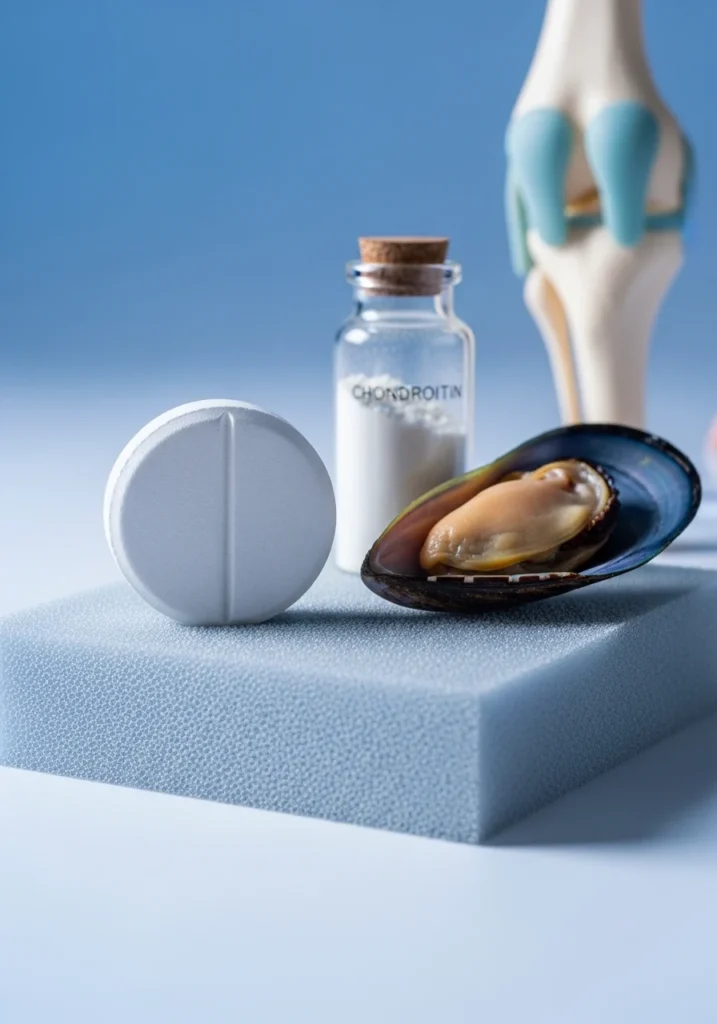
If there is one supplement every senior dog owner should know about, it is glucosamine and chondroitin.
These two compounds support cartilage health and help reduce the inflammation and pain associated with arthritis, which affects a staggering number of older dogs.
Glucosamine helps rebuild cartilage tissue while chondroitin prevents further breakdown. Together, they form the gold standard of joint support for aging dogs.
You will often notice improvement in mobility within four to six weeks of consistent use.
Omega-3 Fatty Acids for Inflammation and Cognitive Health

Omega-3 fatty acids, particularly EPA and DHA, do double duty in senior dogs. They reduce systemic inflammation, which is a root cause of joint pain, heart disease, and kidney issues in older dogs.
They also support brain health, helping to slow the progression of canine cognitive dysfunction, the dog equivalent of dementia.
Fish oil is the most common source, but if your dog gives you a look when you open the fish oil bottle, algae-based omega-3s are an odorless alternative that works just as well.
Antioxidants: Vitamins C and E
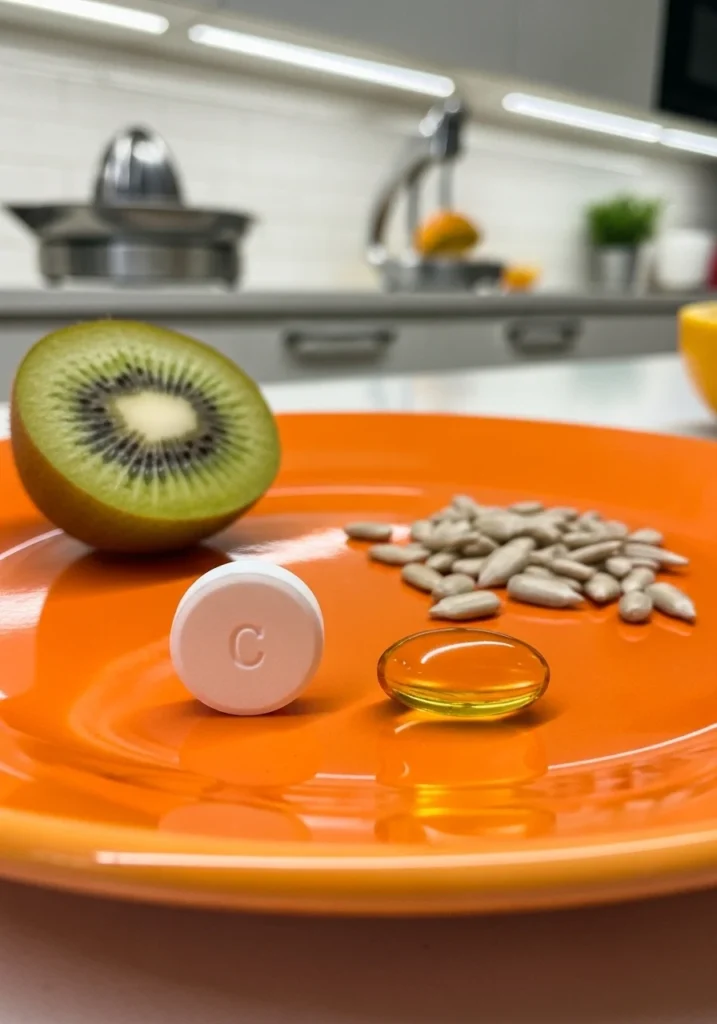
Aging generates oxidative stress in the body, and antioxidants like vitamins C and E help neutralize the damage caused by free radicals.
Dogs produce their own vitamin C, but senior dogs often cannot produce enough to keep up with increased oxidative stress.
Vitamin E, meanwhile, supports immune function, skin health, and muscle integrity.
Many senior dogs on antioxidant-rich supplements show noticeably better coat condition and higher energy levels within a few months.
B Vitamins for Energy and Nerve Function
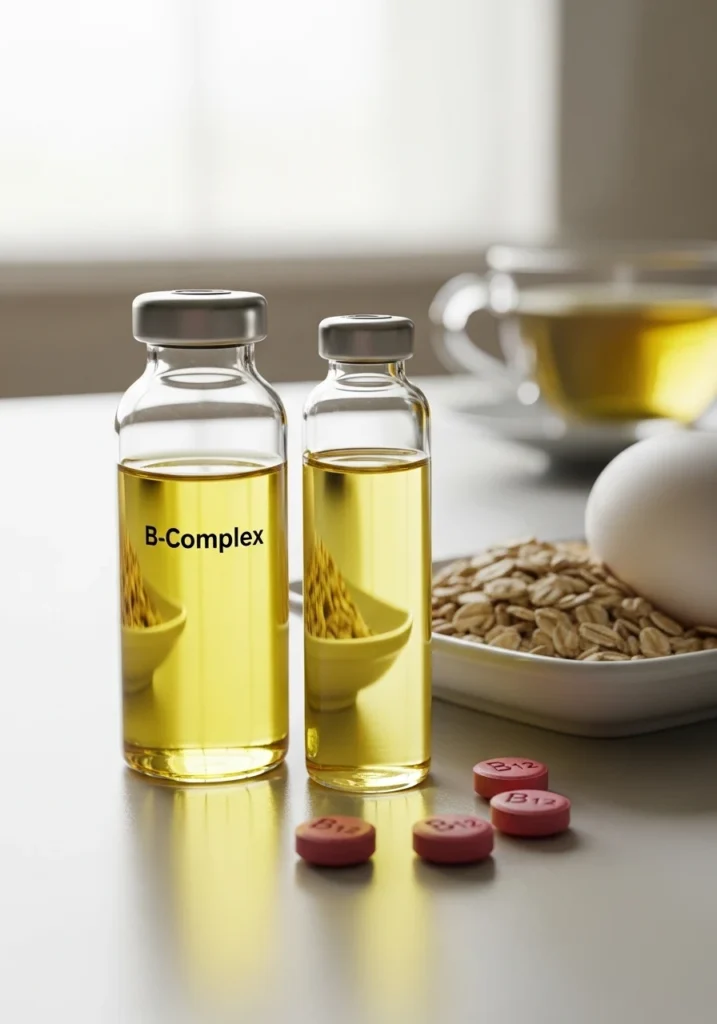
B vitamins, particularly B12, B6, and folate, support nerve function, red blood cell production, and energy metabolism.
Senior dogs often absorb B vitamins less efficiently from food alone due to changes in gut function. Supplementing these can help maintain mental alertness and steady energy throughout the day.
If your senior dog seems more lethargic than usual and your vet has ruled out serious illness, a B-complex supplement is worth considering before chalking it up to “just old age.”
Coenzyme Q10 for Heart Health
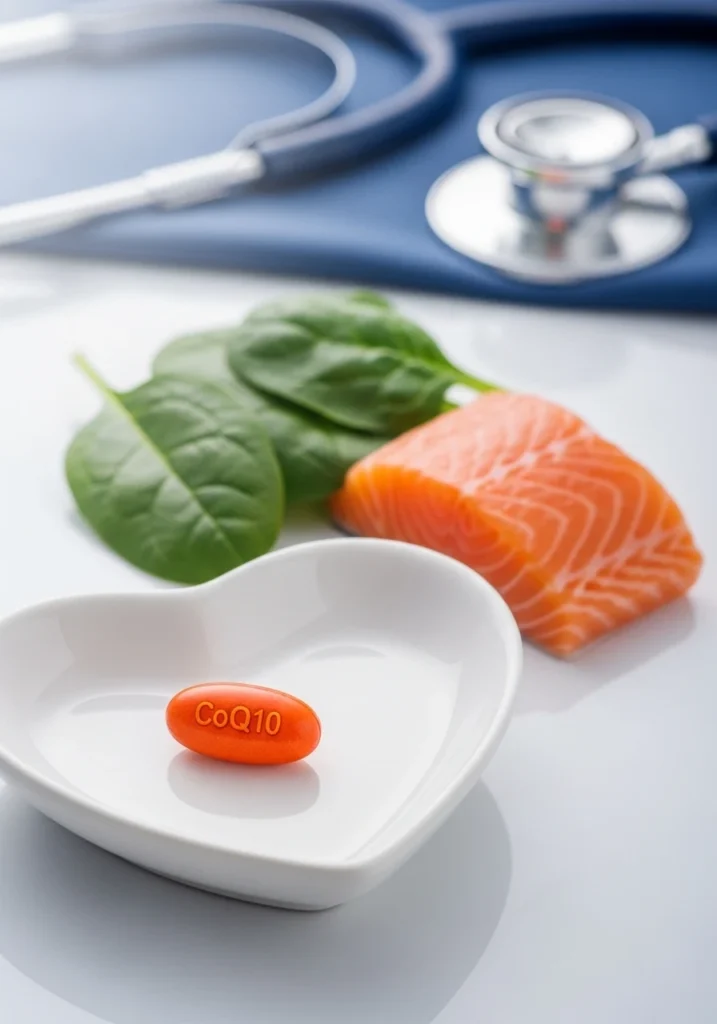
CoQ10 is an antioxidant that plays a critical role in cellular energy production and heart health.
Senior dogs, particularly larger breeds, are prone to heart conditions, and CoQ10 supplementation has shown promise in supporting cardiac function and slowing disease progression in some studies.
It is not a cure, and you should always work with your vet on heart-related concerns. But as a daily preventive addition to your senior dog’s routine, CoQ10 earns its place in the supplement cabinet.
Top Ingredients to Look for in Senior Dog Vitamins
- Glucosamine (500mg or more per serving)
- Chondroitin sulfate
- EPA and DHA from fish oil
- Vitamin E (mixed tocopherols)
- Vitamin C (ascorbic acid)
- CoQ10
- B12 and B6
- Turmeric or curcumin for additional anti-inflammatory support
- Medium-chain triglycerides (MCTs) for cognitive support
How to Choose the Right Dog Vitamin: What to Actually Look For
With hundreds of products on the market promising the moon and the stars, how do you separate the genuinely good stuff from the overpriced gummy treats dressed up as supplements?
Shop Dog Vitamins With These Key Ingredients on Amazon
NASC Quality Seal
The National Animal Supplement Council (NASC) quality seal is one of the most reliable indicators that a supplement meets consistent manufacturing and safety standards.
Not every good product has it, but if you see it, that is a solid starting point.
Transparent Ingredient Labels
Avoid products that hide behind proprietary blends without disclosing individual ingredient amounts.
If a label says “joint support blend: 200mg” without telling you how much glucosamine versus chondroitin is in there, that is a red flag. You deserve to know what you are giving your dog.
Life Stage Specificity
A vitamin marketed for “all life stages” is often a compromise product. Puppies and senior dogs have such different needs that a one-size-fits-all formula rarely serves either group well.
Whenever possible, choose a formula specifically designed for your dog’s life stage.
Palatability Matters
The best vitamin in the world does zero good if your dog spits it out on the floor and gives you a withering look. Chewable soft chews tend to work well for most dogs.
Powder formats mixed into food are also reliable. Hard capsules can be tricky unless your dog is the rare, easygoing type who just eats anything.
Puppy Vitamins vs. Senior Dog Vitamins: A Quick Comparison
| Feature | Puppy Vitamins | Senior Dog Vitamins |
|---|---|---|
| Primary focus | Growth, brain, immunity | Joints, cognition, heart |
| Key nutrients | DHA, calcium, D3, probiotics | Glucosamine, omega-3s, CoQ10 |
| Antioxidant need | Moderate | High |
| Digestive support | Essential | Helpful |
| Omega-3 type | DHA-dominant | EPA and DHA balanced |
A Few Things to Keep in Mind Before You Buy
Always talk to your veterinarian before starting any new supplement, especially if your dog takes medication or has a diagnosed health condition.
Some vitamins interact with medications, and certain conditions require specific dosing considerations.
Also, more is not always better. Over-supplementing fat-soluble vitamins like A, D, E, and K can cause toxicity because they accumulate in the body rather than flushing out.
Stick to recommended doses and resist the temptation to double up thinking you are doing extra good.
The Bottom Line
Your puppy and your senior dog both deserve to feel their best every single day.
The right daily vitamins make a real, measurable difference in energy, mobility, coat health, immunity, and overall quality of life.
For puppies, the focus goes on building a strong foundation with DHA, calcium, D3, and probiotics.
For senior dogs, the priority shifts to protecting what is already there through joint support, antioxidants, omega-3s, and cognitive boosters.
Take the time to read labels, look for life-stage-specific formulas, and run your choices by your vet.
Your dog trusts you completely to make the right call, and honestly, that kind of unconditional trust deserves your best effort in return.
Explore Dog Multivitamins for Every Life Stage on Amazon
What Are the Best Multivitamins for Dogs at Every Life Stage?
The best dog multivitamins change with life stage. Puppies need support for bone and brain growth. Adults focus on immune and coat health.
Seniors benefit from joint, cognitive, and mobility support. Choose vet-approved, all-in-one chews for your dog’s specific age group.
Are Daily Dog Vitamins Safe for Puppies and Senior Dogs?
Yes, daily dog vitamins are safe if made for the right life stage. Always pick products meant for your dog’s age. Also, talk to your vet before starting any supplement, especially for senior dogs on medication.
What Ingredients Should I Look for in a Dog Multivitamin?
Top dog multivitamins usually have glucosamine for joints, omega-3 fatty acids for skin and coat, probiotics for digestion, and vital vitamins like A, D, E, and B12.
For seniors, collagen and antioxidants are especially helpful.
How Do I Know If My Dog Needs a Multivitamin?
Signs your dog might need a daily multivitamin include a dull coat, low energy, digestive issues, or stiff movement.
Dogs on home-cooked or grain-free diets often have nutritional gaps. A multivitamin can help fill those gaps.
What Is the Difference Between Dog Vitamins and Dog Supplements?
Dog vitamins are specific micronutrients like vitamins A, C, D, and B-complex. Dog supplements include vitamins, minerals, probiotics, omega-3s, and joint support compounds like glucosamine.
These are often combined into one daily multivitamin chew.