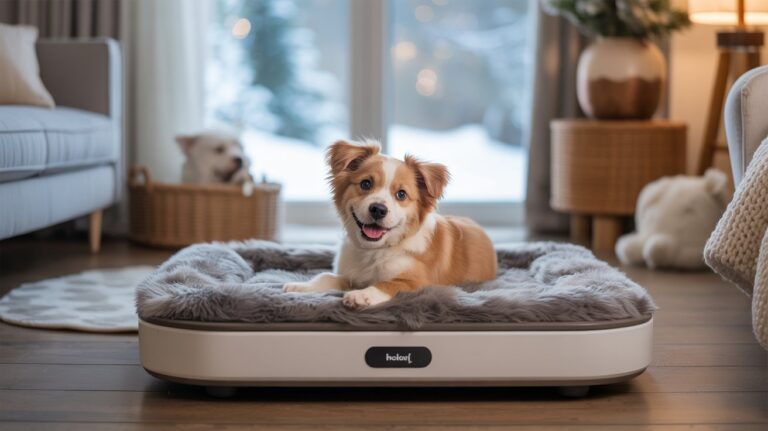
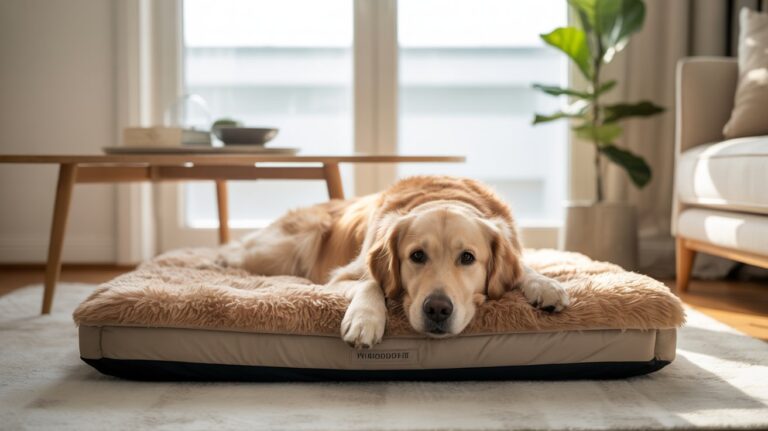
Machine Washable Dog Beds That Are Easy to Clean
You love your dog more than most people, right? But that bed they sleep on? It gathers fur, drool, mud, and a smell that air freshener can’t fix.
If you’ve been spot-cleaning with a damp cloth and calling it good, I get it. But there’s a better way, and it starts with picking the right bed.
Machine washable dog beds have changed the game for pet owners. Once you switch to one, you’ll wonder why you ever paid for a bed you couldn’t toss in the wash.
Browse Machine Washable Dog Beds On Amazon
What Makes a Dog Bed Truly Machine Washable
Not every bed that claims to be “washable” is created equal.
Some manufacturers slap that label on a product and conveniently forget to mention that the cover shrinks after one wash or the foam inside turns into a lumpy disaster after a spin cycle.
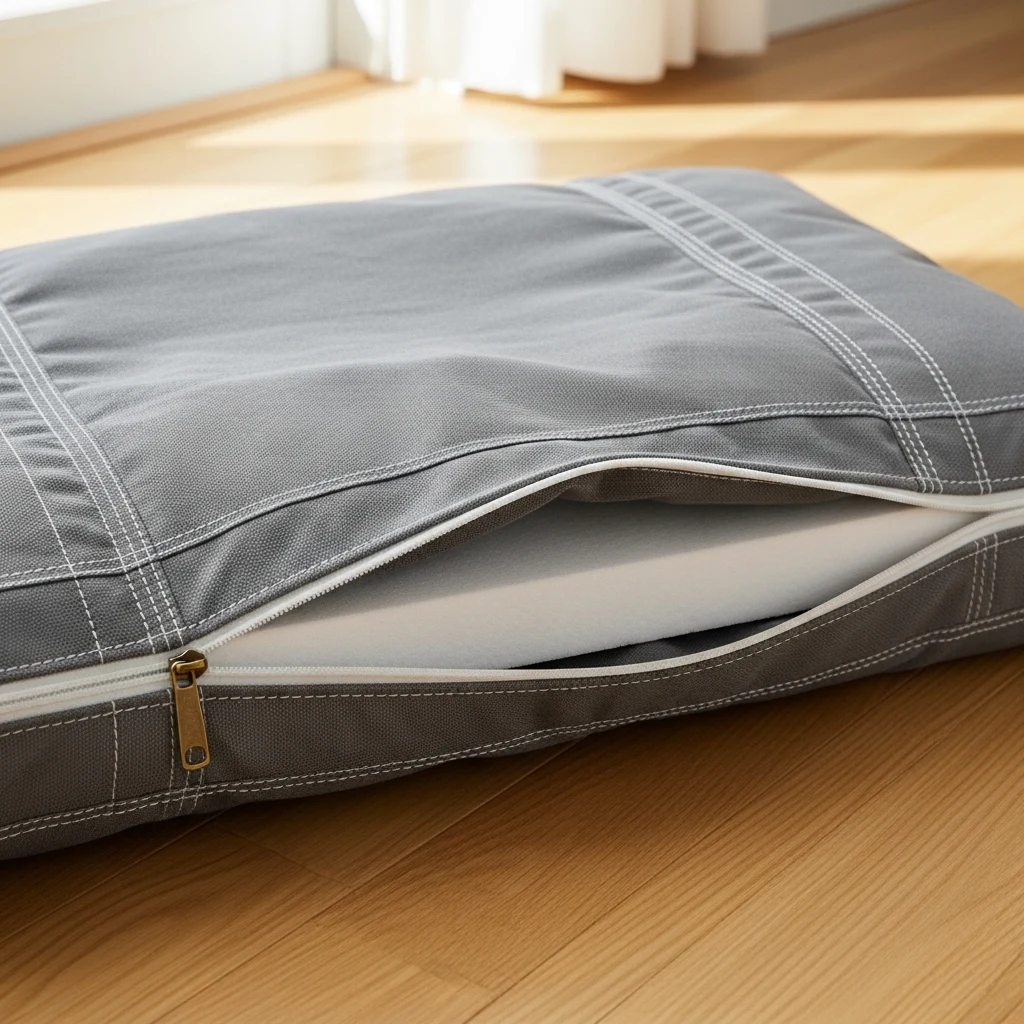
A genuinely machine washable dog bed has a few things going for it:
- A removable, zippered cover made from durable, colorfast fabric
- An insert or cushion that can also go in the wash, or at the very least, wipe down easily
- Stitching and seams that hold up under repeated washing cycles
- Fabric that resists pilling so the bed does not look worn out after three washes
If a bed only has a removable cover but the inner cushion cannot be cleaned, that is a half-measure. Odors and allergens live in the foam too, not just the surface fabric.
The Cover Fabric Matters More Than You Think
Most machine washable dog bed covers use polyester, canvas, or microfiber. Each has its strengths.
Polyester dries fast and resists moisture, which makes it a solid choice if your dog loves water or has accidents.
Canvas is tougher and holds up better with heavy chewers or dogs that like to scratch before lying down.
Microfiber feels softer and is often better for dogs with sensitive skin, but it can trap pet hair more stubbornly.
The best choice depends on your dog’s habits. A soggy Labrador and a senior Chihuahua have very different needs.
Shop Dog Beds By Material On Amazon
Why Easy-to-Clean Dog Beds Are Worth the Investment
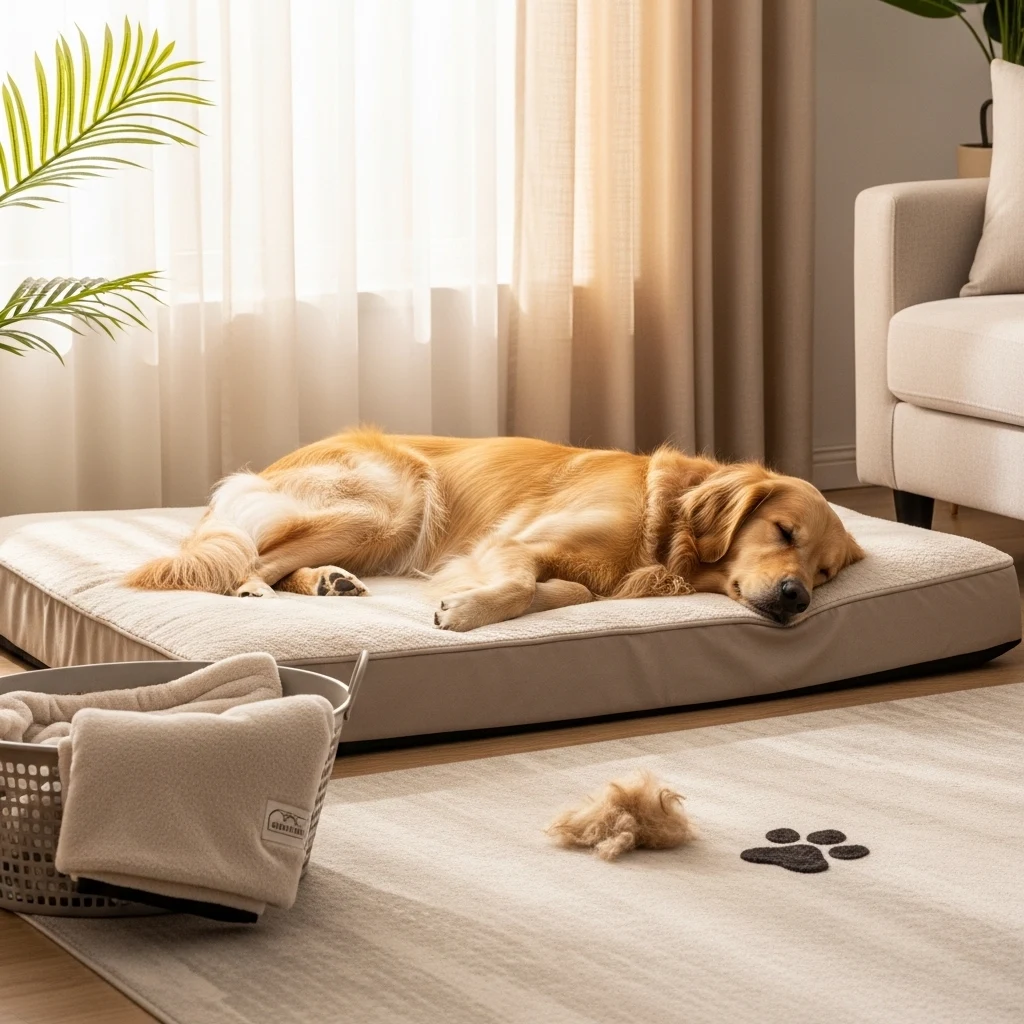
Here is a thought: how often should you wash your dog’s bed? Most vets and pet care experts recommend washing it at least every one to two weeks.
If your dog goes outside regularly, has allergies, or sheds heavily, weekly washing keeps bacteria, dust mites, and allergens from building up.
A bed you dread cleaning is a bed you will not clean. And then you have a biohazard on your living room floor.
Investing in a bed designed for frequent washing saves you time and money in the long run.
You extend the life of the product, reduce odors in your home, and keep your dog sleeping in a clean, healthy environment.
Health Benefits for Your Dog
A clean sleeping surface matters for your dog’s health in ways that might surprise you. Dirty bedding can harbor:
- Bacteria that cause skin infections or hot spots
- Dust mites that trigger allergies and itchy skin
- Fleas and their eggs, which thrive in warm, undisturbed fabric
- Mold spores, especially in humid climates or after a wet dog uses the bed
Dogs with skin conditions, respiratory sensitivities, or compromised immune systems benefit the most from consistently clean bedding. But honestly, every dog deserves a fresh place to sleep.
Features to Look for When Buying a Machine Washable Dog Bed
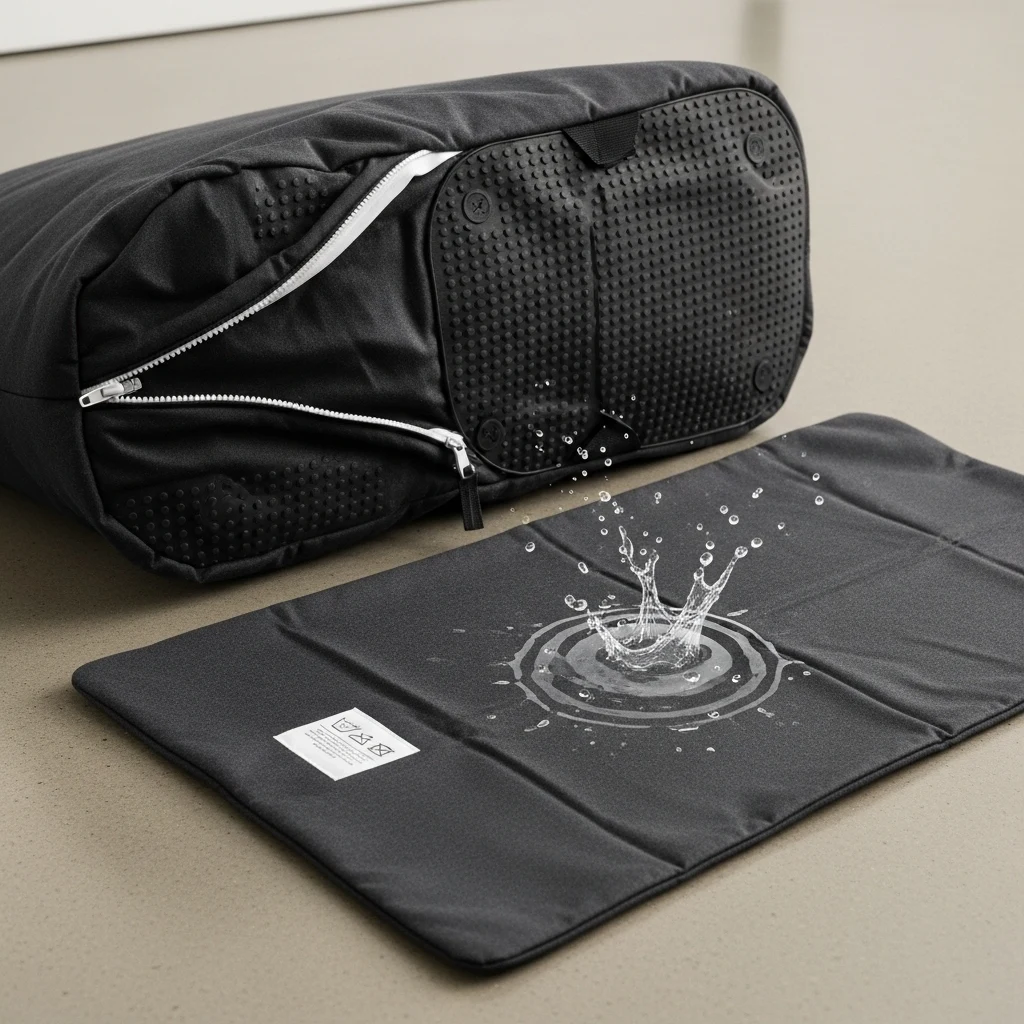
Shopping for a dog bed can feel overwhelming because every product claims to be the best thing since belly rubs. Here is what actually separates a good washable bed from a forgettable one.
Zipper Quality
The zipper is the unsung hero of a removable dog bed cover.
A flimsy zipper breaks after a handful of uses, and then you are either wrestling a pillowcase onto a dog cushion or replacing the entire bed.
Look for heavy-duty YKK-style zippers or zippers with a self-locking mechanism.
Water and Stain Resistance
Some beds come with a waterproof liner between the outer cover and the inner cushion.
This is a feature worth prioritizing, especially for puppies in training, older dogs with incontinence, or any dog that regularly comes inside soaking wet.
The liner protects the foam from soaking through, which means less drying time and less chance of mold developing inside.
Dryer Compatibility
Washing is only half the battle. A bed that needs to air dry for 24 hours is not exactly convenient, especially if you only own one dog bed.
Look for beds that are explicitly rated as dryer-safe at low or medium heat. Some memory foam inserts cannot go in the dryer, so check the care label before you buy.
Non-Slip Bottom
This one has nothing to do with washing, but it matters for daily life. A bed that slides across your hardwood floor every time your dog jumps off it is annoying at best and a tripping hazard at worst.
A rubberized or non-slip bottom keeps the bed in place and keeps you from performing accidental gymnastics at 6 AM.
Size and Shape Options
Machine washable does not have to mean boring or basic. You can find washable options in bolster styles, flat mats, orthopedic designs, and even cave-style beds for dogs that like to burrow.
Measure your dog from nose to tail when they stretch out, and add a few inches. A bed that is too small defeats the whole purpose.
Find A Machine Washable Dog Bed That Checks Every Box On Amazon
Best Styles of Washable Dog Beds for Different Dogs
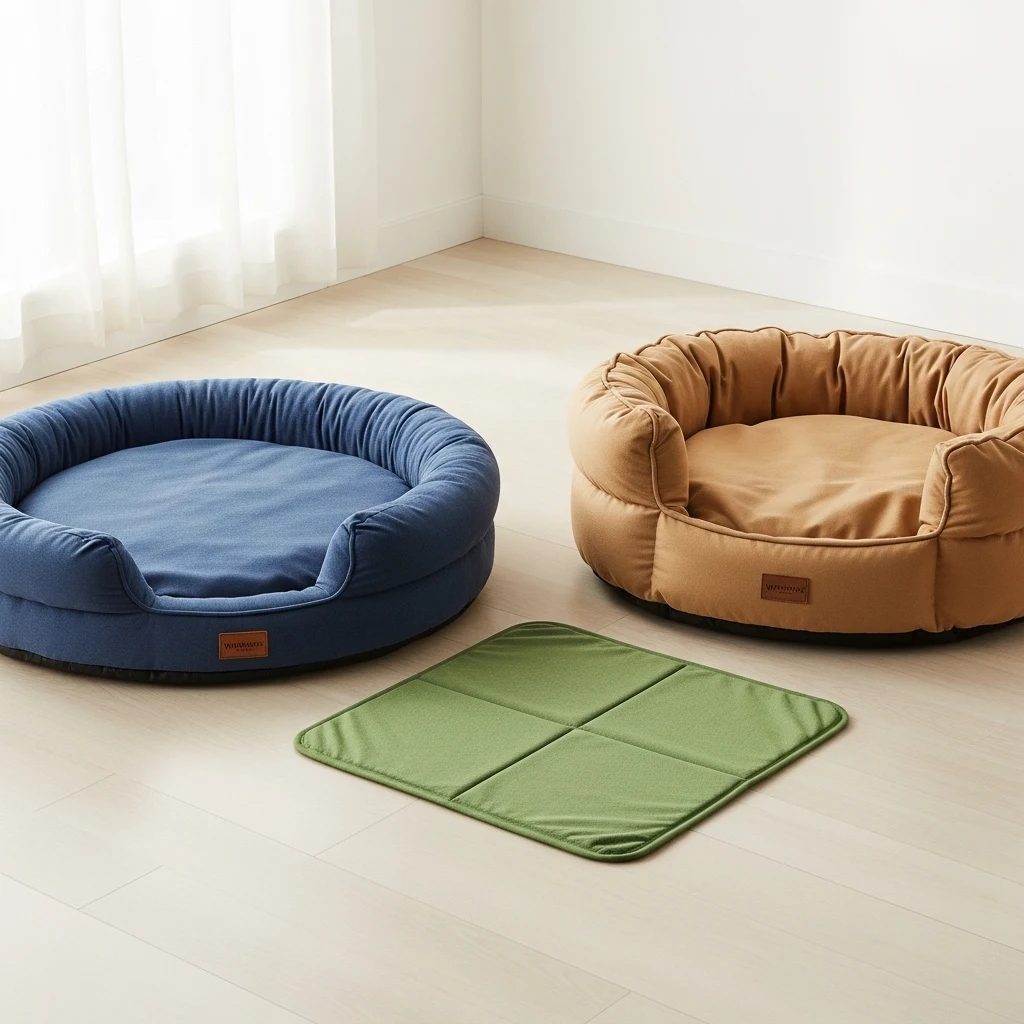
Every dog is different, and the bed style you choose should match your dog’s sleeping habits and physical needs.
Orthopedic Washable Beds for Senior or Large Dogs
Older dogs and large breeds need more support for their joints.
Orthopedic washable dog beds use memory foam or high-density foam that distributes weight evenly and reduces pressure on hips and elbows. Look for a foam thickness of at least four inches for larger dogs.
Many orthopedic options come with a waterproof inner cover and a machine washable outer cover, giving you two layers of protection.
This design is particularly smart for older dogs who may experience occasional incontinence.
Shop Orthopedic Washable Dog Beds On Amazon
Bolster Beds for Dogs That Love to Lean
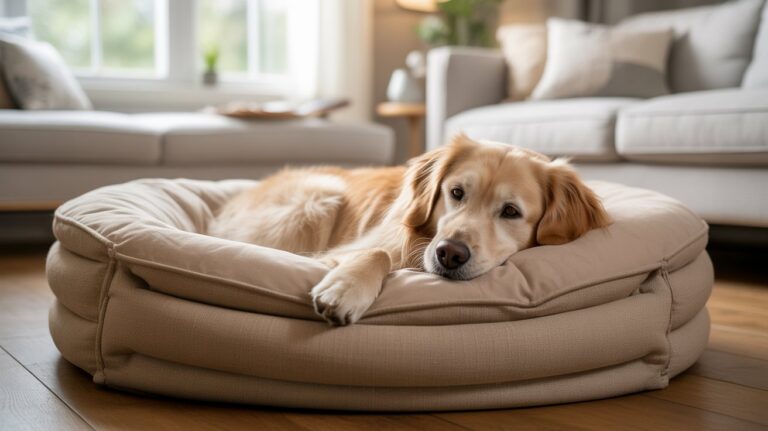
Some dogs treat the edge of their bed as a personal pillow. For those dogs, a bolster or donut-style bed is the better fit.
The raised edges give them something to rest their head or back against, and the whole thing still needs to be washable.
Look for bolster beds where the entire unit, not just the insert, can go in the machine.
Flat Mats and Crate Liners
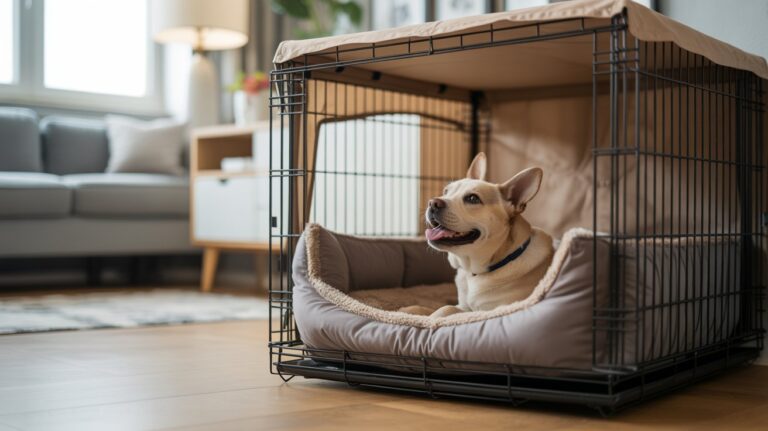
If your dog sleeps in a crate or you need a bed that fits neatly in a specific space, a flat washable mat works well.
These are typically the easiest to clean because there is no bulky insert to deal with. Many of them fold flat for storage or travel, which is a genuinely useful bonus.
Browse Washable Dog Crate Mats And Flat Beds On Amazon
How to Wash a Dog Bed Properly
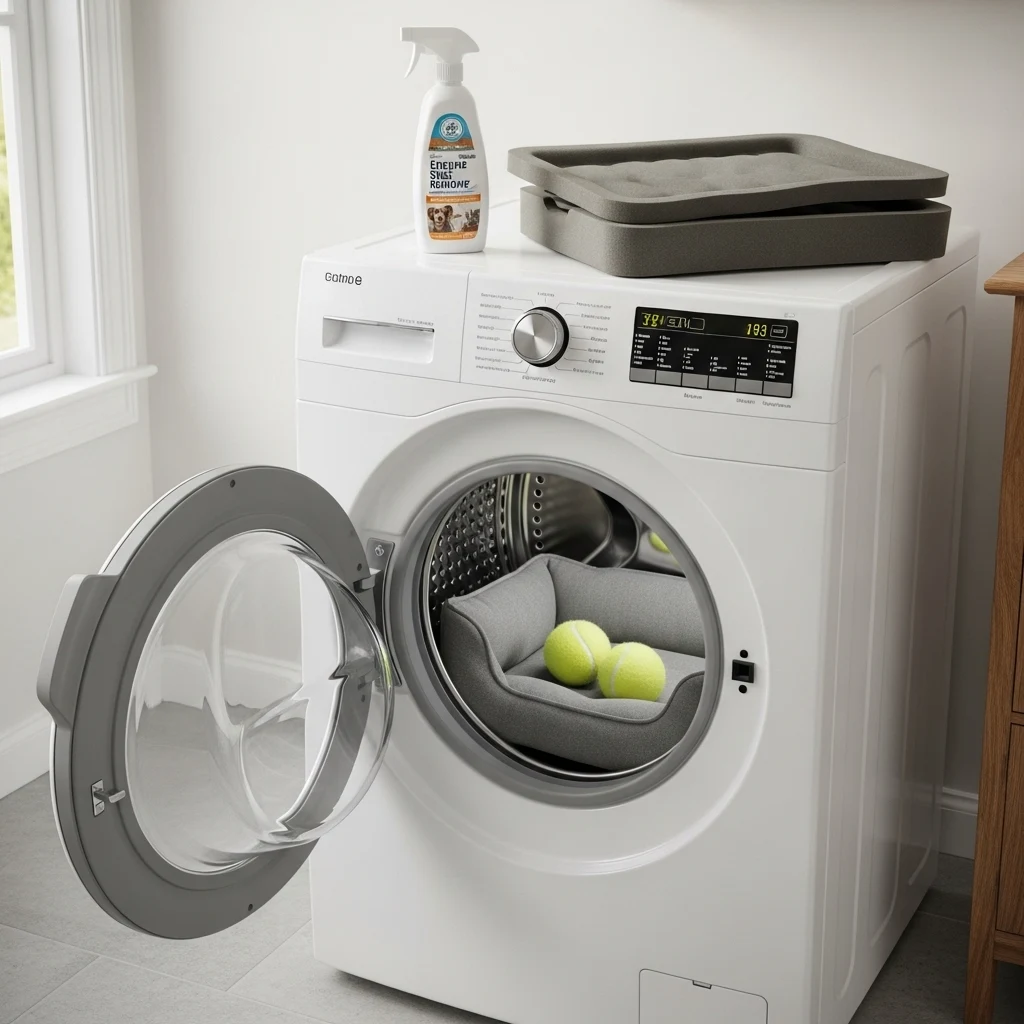
You bought the right bed. Now do not ruin it with the wrong washing approach.
Step 1: Remove the cover and shake it outside to remove loose fur and debris. Trying to wash a cover packed with dog hair is a great way to clog your washing machine filter.
Step 2: Pre-treat any stains with an enzyme-based pet stain remover. These break down organic matter far more effectively than regular detergent alone.
Step 3: Wash on a gentle or delicate cycle with warm water. Avoid hot water, which can shrink fabric or damage waterproof coatings.
Step 4: Use a pet-safe, fragrance-free detergent. Heavily scented detergents can irritate your dog’s sensitive nose and may cause them to avoid the bed entirely.
Step 5: Dry on low heat or air dry if the care label recommends it. Add a couple of clean tennis balls to the dryer cycle to help keep the insert fluffy and evenly filled.
Step 6: Make sure everything is completely dry before reassembling. A damp inner cushion is an invitation for mold.
Red Flags to Avoid When Shopping
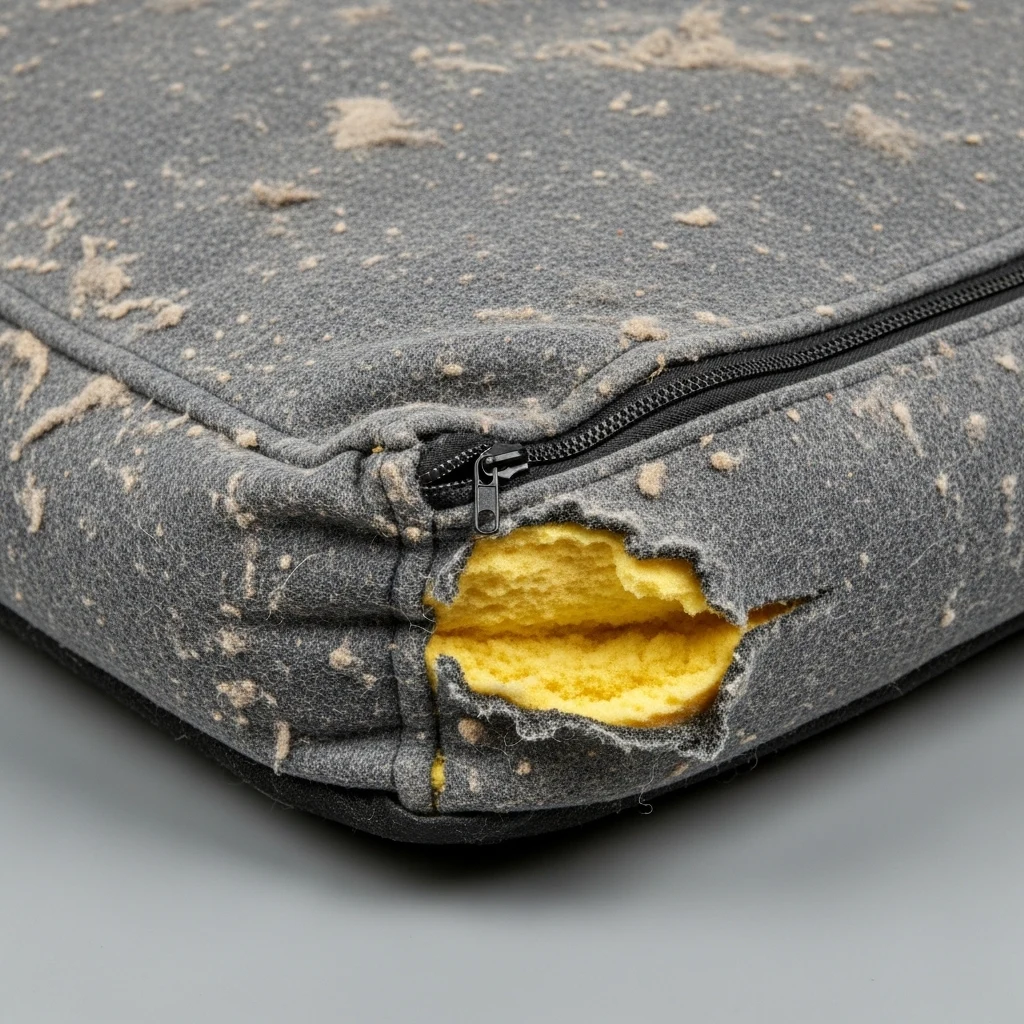
Not every “washable” dog bed deserves your money. Watch out for these warning signs:
- No care label or vague washing instructions like “spot clean only” disguised as a selling point
- Covers with no zipper, just a slit opening that gaps over time
- Cheap foam that compresses permanently after one wash cycle
- Fabric that pills or sheds after minimal use, which ironically makes fur removal harder
- Extremely low price points for supposedly orthopedic designs, where the foam quality rarely justifies the claim
A quality washable dog bed sits in the moderate to upper price range. It lasts longer, cleans better, and saves you from replacing it every six months.
Ready To Upgrade? Shop Easy-To-Clean Dog Beds On Amazon
Final Thoughts
Choosing a machine washable dog bed is one of those decisions that seems small but makes a real difference in your daily life.
Your dog gets a clean, comfortable place to rest, and you get a bed you can actually maintain without a whole Sunday afternoon production.
The best bed is the one that fits your dog’s size and sleeping style, uses genuinely durable and washable materials, and does not fall apart after a few trips through the laundry.
Pay attention to the zipper, the foam quality, and the dryer compatibility, and you will land on something that works for both of you.
Now go wash that bed. Seriously.
How Often Should You Wash a Machine Washable Dog Bed?
Wash your dog’s bed at least once every one to two weeks. If your dog spends a lot of time outside, sheds a lot, or has skin allergies, wash it weekly. This helps a lot.
Regular washing removes bacteria, dust mites, and allergens from the fabric and foam. Keeping a cleaning routine helps your dog stay healthier and makes your home smell better.
Can You Put the Entire Dog Bed in the Washing Machine, Including the Insert?
It depends on the bed you choose. Many high-quality, machine-washable dog beds have a removable outer cover and a washable inner insert. This means the whole bed can go in the washing machine.
However, some orthopedic memory foam inserts cannot be machine washed. They should only be spot cleaned or wiped with a damp cloth.
Always check the manufacturer’s care label before washing the insert. This helps avoid damaging the foam or voiding the warranty.
What Is the Best Detergent to Use When Washing a Dog Bed?
The best detergent for washing a dog bed is pet-safe and free of fragrances and dyes. Strong scents can bother your dog’s sensitive nose. This may lead them to avoid the bed after it’s washed.
Enzyme-based detergents are great because they break down organic matter like urine and saliva. They also tackle odor-causing bacteria better than regular laundry detergents.
Avoid fabric softeners; they can coat waterproof liners and lower their effectiveness over time.
How Do You Keep a Dog Bed Clean Between Washes?
To keep a dog bed clean between washes, build a few simple habits. Use a lint roller or handheld vacuum to remove loose fur every few days.
Keep a spare washable cover handy for quick swaps while the other is in the laundry. Sprinkle a small amount of baking soda on the bed and vacuum it off after 15 minutes.
This helps neutralize odors between washes. Also, place the bed away from damp areas to slow bacterial growth.
Are Machine Washable Dog Beds Durable Enough for Heavy Chewers or Large Dogs?
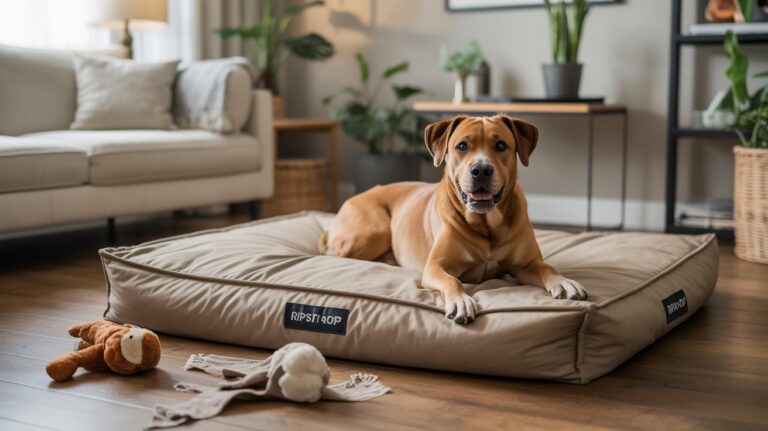
Yes, many machine-washable dog beds are made for large breeds and dogs that chew or scratch. Look for beds with heavy-duty canvas or ballistic nylon covers.
Reinforced stitching along the seams is also important. High-density foam inserts help the bed keep its shape after washing. Some brands offer chew-resistant warranties, too.
The key is to read product specs closely. Don’t just trust marketing claims, as durability can vary widely by brand and price.