What Do Pet Birds Eat and How to Feed Them Right
If you’ve ever stood in a pet store, looking at different brands of birdseed, you’re not alone.
Feeding pet birds seems easy until you realize that “seeds and water” is like a human diet of “bread and water.” Your bird deserves more, and so does your peace of mind.
Getting your bird’s diet right greatly affects their health, mood, and lifespan. A well-fed bird is active, vocal, and curious.
A poorly fed one? A bored, nutrient-deficient parrot is not anyone’s idea of a good day.
Why Bird Nutrition Is More Complicated Than You Think
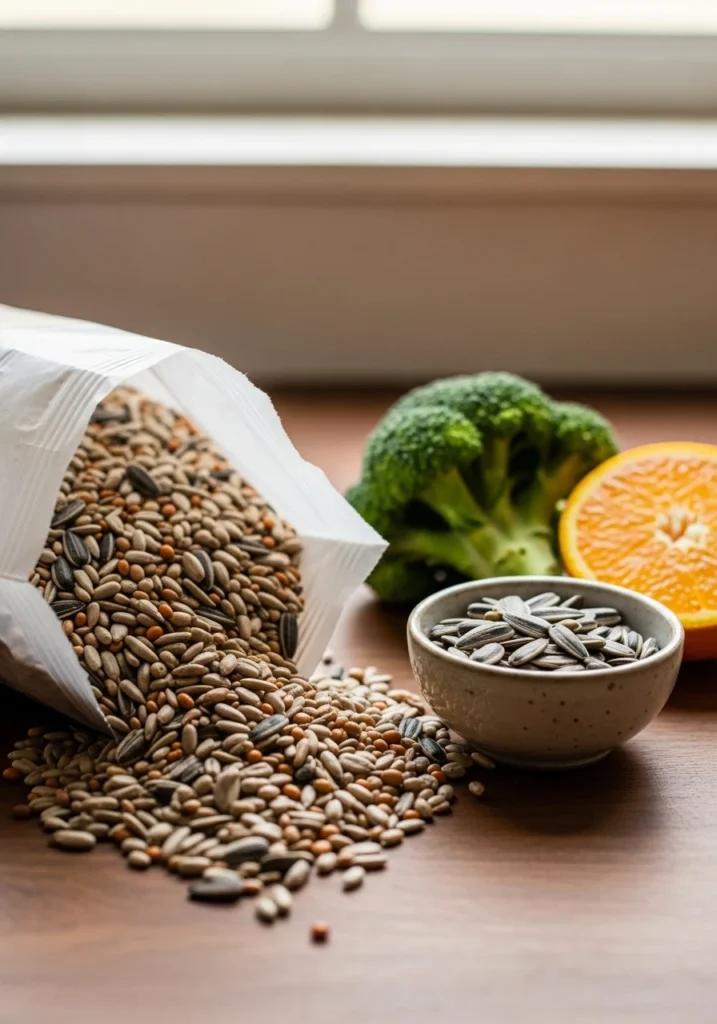
Most new bird owners assume that a bag of mixed seeds covers everything. It does not. Seeds are high in fat and low in the vitamins and minerals birds need to thrive.
Relying on seeds alone is like feeding your kid nothing but potato chips and calling it a balanced diet.
The core problem with seed-only diets:
- They lack essential vitamins like Vitamin A and D3
- They are calorie-dense but nutritionally shallow
- Birds often pick out their favorite seeds and leave the rest, making the “variety” in the mix irrelevant
Understanding this one fact can completely transform how you approach feeding your bird.
The Foundation: What Should Pet Birds Eat?
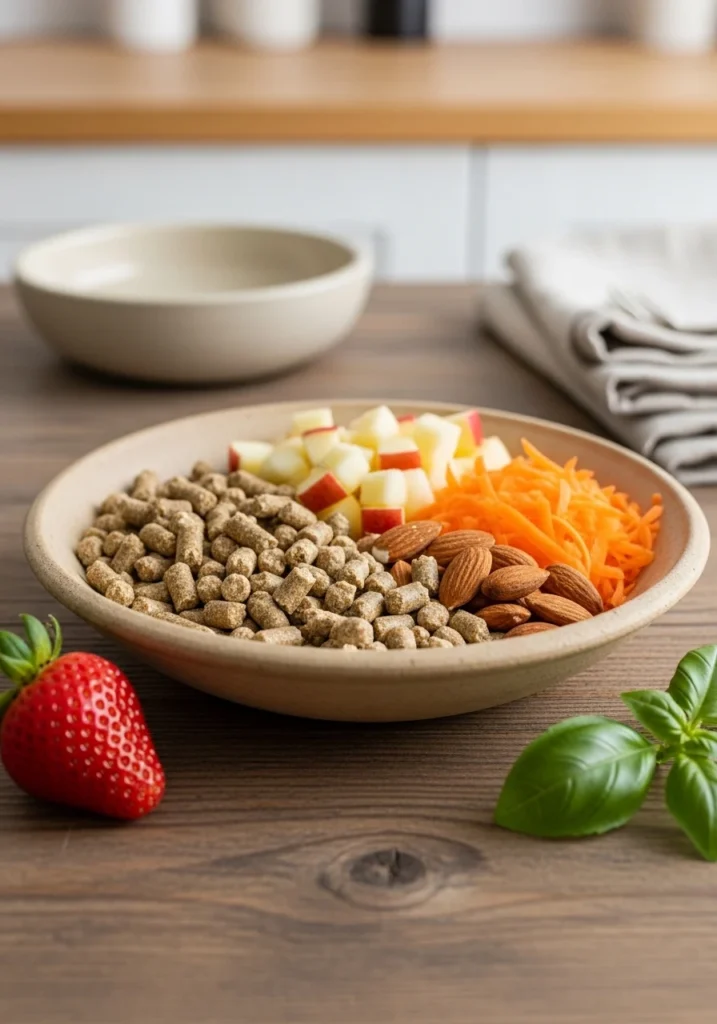
Different bird species have different dietary needs, but most companion birds thrive on a combination of pellets, fresh fruits and vegetables, and limited seeds or nuts as treats.
Pellets: The Unsung Hero of Bird Nutrition
Formulated pellets are the closest thing birds have to a nutritionally complete food. They contain balanced levels of protein, carbohydrates, fat, vitamins, and minerals.
Think of them as the bird equivalent of a well-rounded meal, not the most exciting thing on the menu, but exactly what your bird’s body needs.
What to look for in a good pellet:
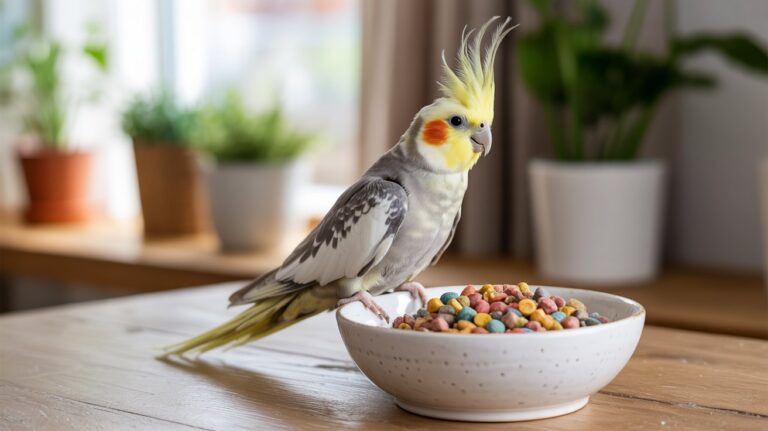
- No artificial colors or dyes (brightly colored pellets are more for your entertainment than your bird’s health)
- A reputable brand with clear ingredient labeling
- Size-appropriate options for your specific bird species
Most avian vets recommend that pellets make up 50 to 70 percent of your bird’s daily diet. That might sound like a lot, but once your bird adjusts to them, they tend to accept pellets without much drama.
Fresh Fruits and Vegetables: The Good Stuff
This is where feeding your bird becomes genuinely fun. Birds can eat a wide variety of fresh produce, and watching them tear into a piece of mango or nibble on broccoli florets is oddly satisfying.
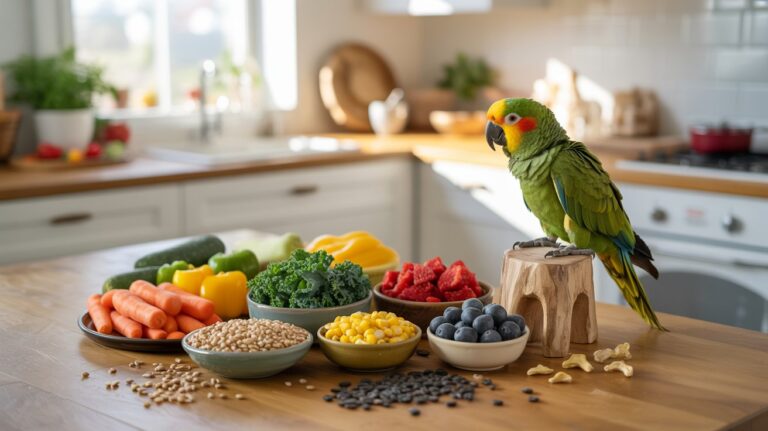
Safe fruits for most pet birds:
- Apples (remove seeds, as they contain trace amounts of cyanide)
- Mangoes
- Papayas
- Berries (blueberries, strawberries, raspberries)
- Melons
Safe vegetables:
- Leafy greens like kale, spinach, and Swiss chard
- Carrots and sweet potatoes (cooked or raw)
- Bell peppers (birds love these, and the Vitamin C content is a bonus)
- Broccoli and cauliflower
- Cucumber and zucchini
Fresh produce should make up roughly 20 to 30 percent of your bird’s diet. Variety matters here.
Rotating different fruits and vegetables keeps things interesting for your bird and ensures a broader nutritional profile.
Seeds and Nuts: Treats, Not Staples
Seeds and nuts are not villains. They are just misused. Birds absolutely love them, which is exactly why they should be offered sparingly.
Think of seeds as the bird version of candy. Great as an occasional reward, terrible as the main event.
Good seeds and nuts for treats:
- Sunflower seeds (in moderation)
- Millet (great for smaller birds)
- Almonds and walnuts (unsalted and raw)
- Pumpkin seeds
Use seeds strategically. They work brilliantly as training rewards or to build trust with a new bird. Just do not let them become the dietary centerpiece.
Feeding Guidelines by Bird Species
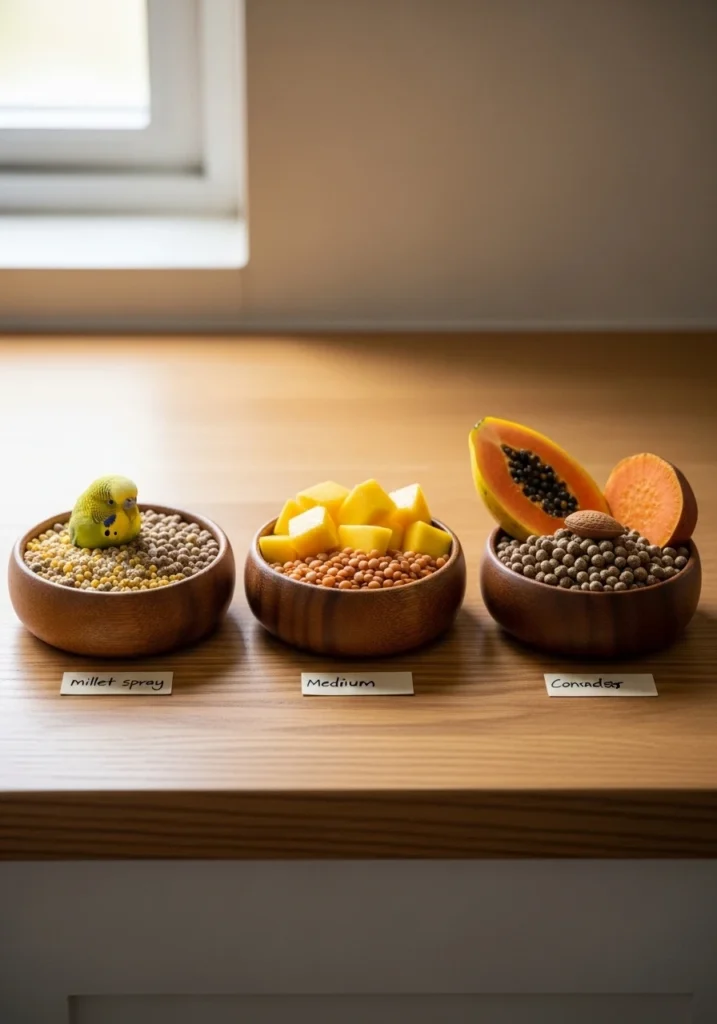
Not all birds eat the same things, and what works for a budgie will not necessarily work for a macaw. Here is a quick breakdown by species type.
Small Birds: Budgies, Cockatiels, and Finches
Small birds have fast metabolisms and need regular access to food throughout the day.
Pellets designed for small birds should form the base of their diet, supplemented with leafy greens and small pieces of fruit.
Cockatiels, in particular, tend to be seed addicts. If you are transitioning a cockatiel away from a seed-heavy diet, do it gradually.
Mix pellets in with their seeds and slowly increase the pellet ratio over several weeks. Rushing this process will stress the bird and make mealtimes a battle of wills.
Daily portions for small birds:
- Pellets: one to two teaspoons
- Fresh produce: a small handful, refreshed daily
- Seeds: a pinch as a treat, not a daily serving
Medium Birds: Conures, Caiques, and Quakers
Medium birds are curious and often more adventurous with food than smaller species. They tend to enjoy trying new things, which makes introducing fresh produce relatively straightforward.
These birds also need slightly more protein in their diet, especially during molting season.
Cooked legumes like lentils and chickpeas make an excellent protein-rich addition to their meals a few times a week.
Large Birds: African Greys, Amazons, Cockatoos, and Macaws
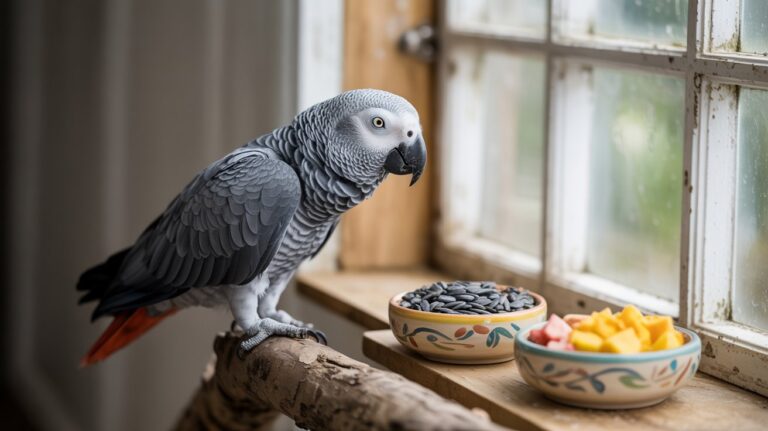
Large parrots need larger portions and more dietary variety. African Greys, in particular, are prone to calcium deficiency, so their diet should include calcium-rich foods like kale, broccoli, and almonds.
Macaws naturally eat more fatty foods in the wild, which is why nuts form a slightly larger portion of their diet compared to other species.
That said, even macaws can develop health problems from too many fatty treats, so moderation still applies.
Large birds also benefit from foraging-based feeding. Instead of placing food in a bowl, hide it in foraging toys or wrap it in paper. It stimulates their natural instincts and keeps them mentally engaged.
Foods That Can Harm or Kill Your Bird
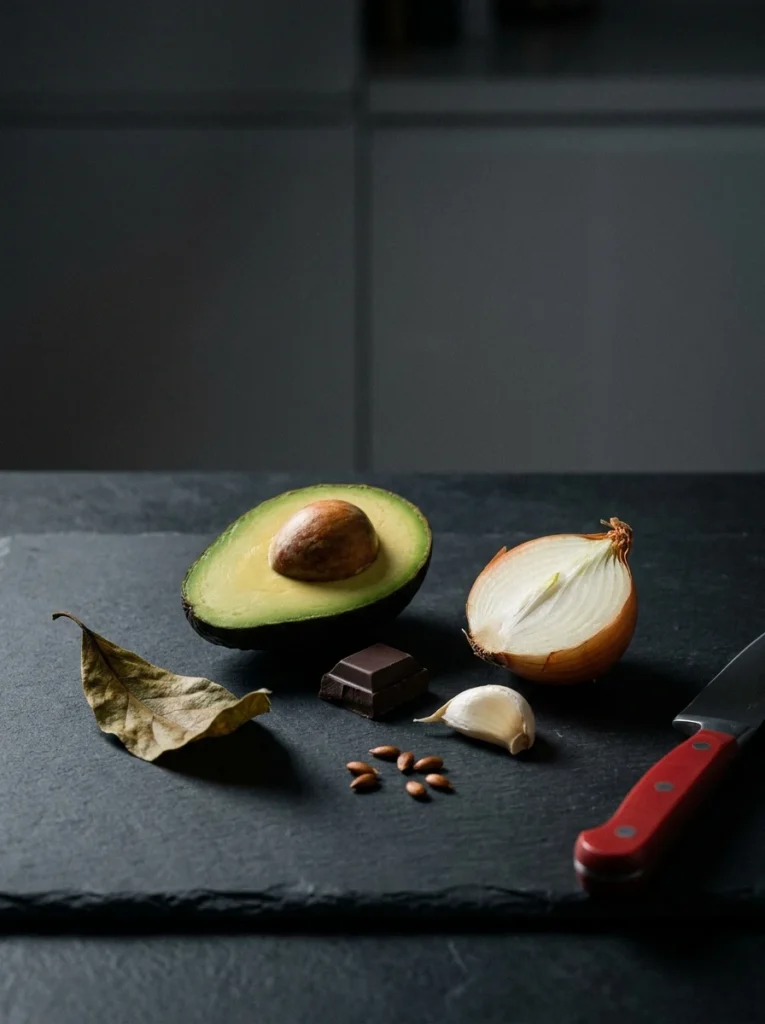
This section is not meant to frighten you, but you genuinely need to know this. Several common household foods are toxic to birds, and some of them might surprise you.
Foods to never give your bird:
- Avocado: Contains persin, which is toxic to birds and can cause heart failure
- Chocolate: Theobromine in chocolate is harmful to birds, just as it is to dogs
- Onions and garlic: These can damage red blood cells and cause anemia
- Caffeine: Coffee, tea, and energy drinks can cause cardiac problems in birds
- Alcohol: This one should be obvious, but yes, people have made this mistake
- Fruit seeds and pits: Apple seeds, cherry pits, and peach pits contain compounds that convert to cyanide in the body
- Salt: High sodium intake can cause kidney damage and dehydration in birds
When in doubt about a particular food, check with your avian vet before offering it. It takes two minutes and could save your bird’s life.
How to Transition a Bird to a Healthier Diet
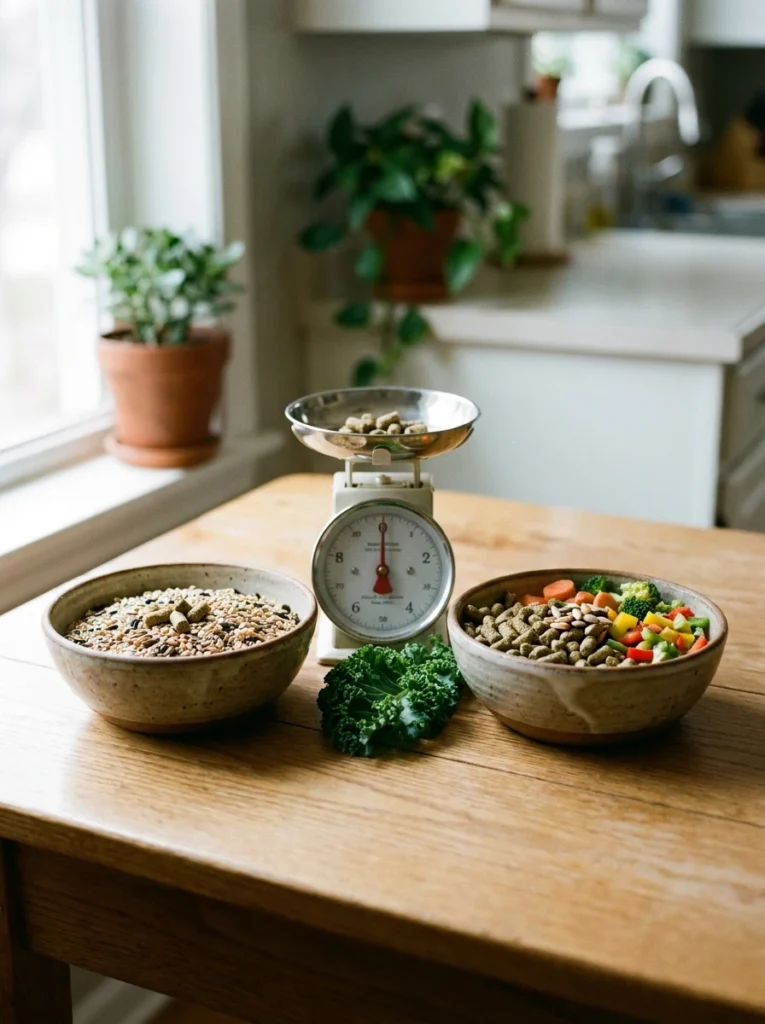
Here is the honest truth: some birds are stubborn about food changes. If your bird has been eating seeds its whole life, switching to pellets overnight will not go smoothly.
Expect protests. Expect dramatic displays of rejection. Your bird will act like you are personally insulting them.
The gradual transition method works best. Start by offering pellets alongside their current food. Over two to four weeks, slowly reduce the seeds while increasing pellets.
Add fresh produce at the same time so the bird gets used to seeing variety in the bowl.
Tips that actually help:
- Offer new foods in the morning when birds are hungriest
- Try different textures. Some birds prefer soft cooked vegetables over raw ones
- Eat in front of your bird. Birds are social eaters and often become curious about what you are having
- Stay patient. Some birds take weeks to accept new foods, and that is completely normal
Water, Supplements, and the Little Details That Matter
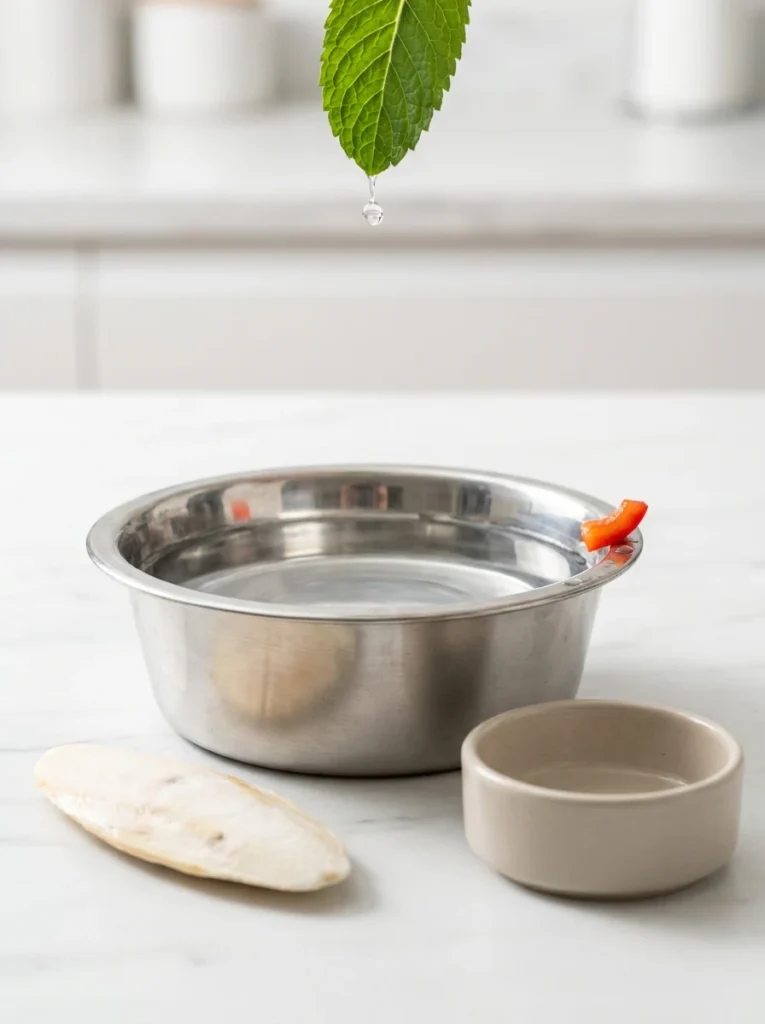
Fresh water should be available at all times. Change it daily because birds often drop food into their water dishes, which creates a bacteria breeding ground faster than you would expect.
Most birds on a well-balanced pellet diet do not need additional vitamin supplements. In fact, over-supplementing can cause toxicity, especially with fat-soluble vitamins like A and D.
If your bird eats a varied diet including pellets and fresh produce, skip the supplements unless your vet specifically recommends them.
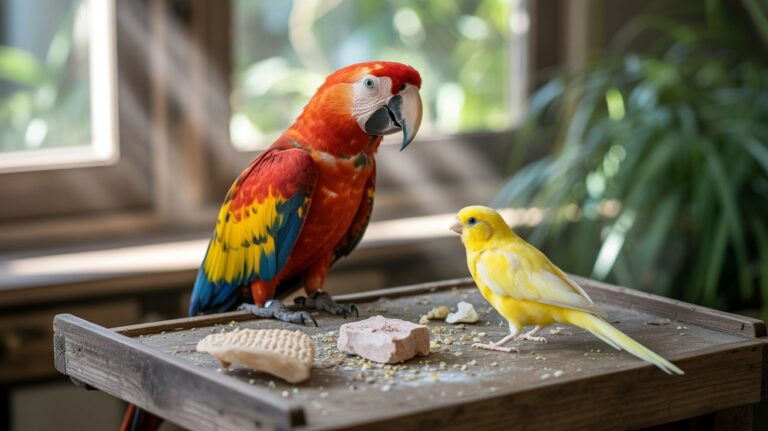
Cuttlebone is worth adding to your bird’s cage. It provides calcium and doubles as a beak conditioning tool. Most birds enjoy gnawing on it, and it is inexpensive.
Bringing It All Together
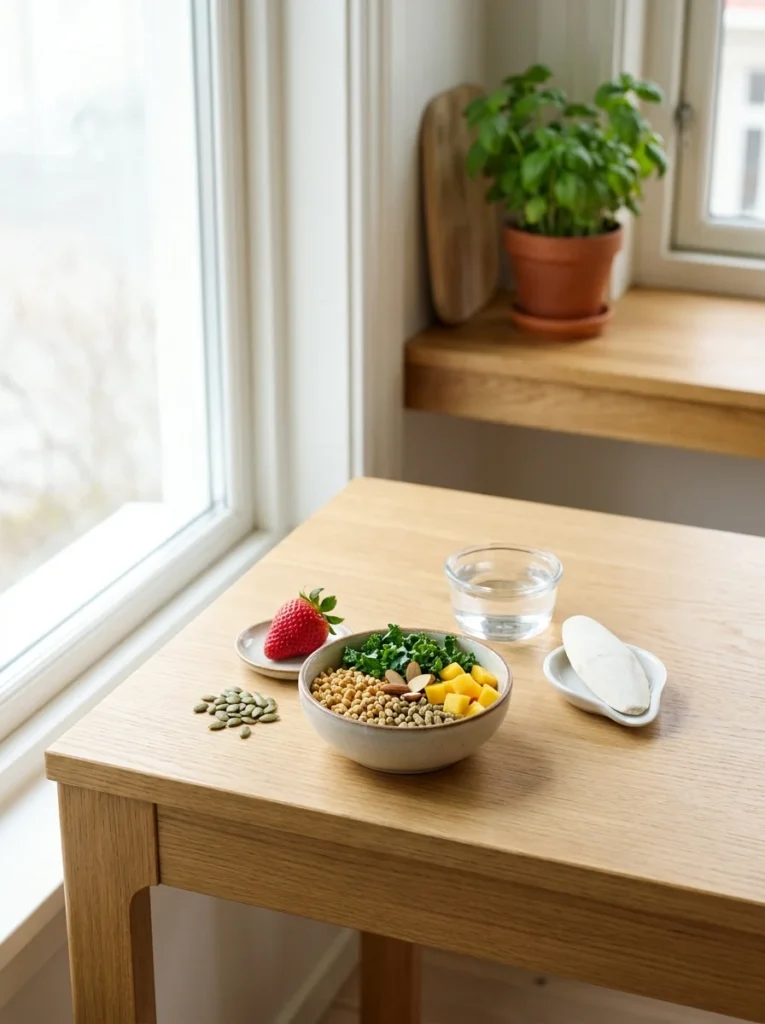
Feeding your bird well does not require a PhD in avian nutrition. It does require a bit of thought, some willingness to experiment, and the patience to let your bird adjust at their own pace.
A diet built around quality pellets, fresh produce, and limited seeds will give your bird the best shot at a long, healthy, and genuinely happy life.
Your bird cannot read food labels or advocate for themselves. That responsibility falls on you, and the fact that you are reading this article means you are already taking it seriously.
Start small, stay consistent, and do not be discouraged when your bird side-eyes the broccoli on day one. They will come around. They always do.
How Much Food Should I Feed My Pet Bird Every Day?
The right amount of food depends on your bird’s size and species. Small birds, like budgies and cockatiels, usually need one to two teaspoons of pellets daily.
They also require a small handful of fresh produce and just a pinch of seeds as a treat. Medium and large birds need larger portions. A good rule is to offer slightly more than you think they will eat.
Then, watch what they actually consume and adjust as needed. Always take away uneaten fresh food within a few hours to avoid spoilage.
Can Pet Birds Eat Human Food?
Some human foods are safe and good for pet birds. Others are harmful. Birds can enjoy plain cooked rice, cooked pasta, scrambled eggs, and many fresh fruits and vegetables.
However, never give your bird avocado, chocolate, onions, garlic, salty snacks, or anything with caffeine or alcohol.
The best way is to research each food before sharing it with your bird. When in doubt, leave it out.
How Do I Get My Bird to Eat Vegetables When It Keeps Refusing Them?
Use persistence and creativity. Offer vegetables in various forms: raw, steamed, or finely chopped. Some birds prefer certain textures. Eating in front of your bird can spark curiosity since they are social eaters.
Weave leafy greens through cage bars or thread veggies onto a skewer. This makes them feel like foraging opportunities, not forced food. Most birds come around with repeated, low-pressure exposure.
Do Pet Birds Need Vitamin Supplements in Their Diet?
Most pet birds that eat a balanced diet of good pellets and fresh produce don’t need extra vitamin supplements. Too many supplements can be harmful.
This is especially true for fat-soluble vitamins like A and D3. These can build up in the body and become toxic. The main exception is if your avian vet finds a specific nutritional deficiency during a checkup.
If that happens, targeted supplements under vet guidance are a good idea. For healthy birds on a varied diet, quality food is the best supplement you can offer.
What Is the Best Diet for Parrots Specifically?
Parrots do best on a diet of high-quality pellets. These should make up 50 to 70 percent of their food. Fresh fruits and vegetables should fill most of the rest.
Seeds and nuts are treats or training rewards, not main foods. Larger parrots, like African Greys, need calcium-rich foods such as kale and almonds.
Macaws can eat more healthy fats from nuts. The main points for all parrots are variety, consistency, and avoiding toxic foods.