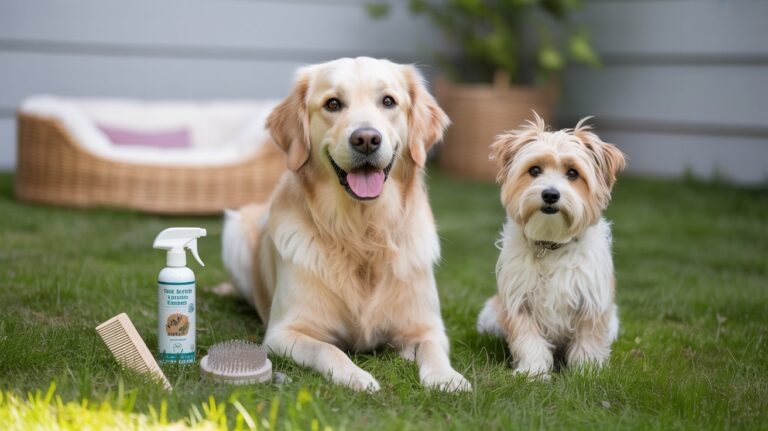
Dog Paw Balm That Actually Heals Dry Cracked Pads
Your dog’s paws touch every surface daily, with no rest. Hot pavement, icy sidewalks, rough gravel, and dry indoor air can harm those pads.
So, if you see your pup licking their feet or leaving bloody prints on your floor, something is wrong.
The good news? A good dog paw balm can restore cracked, painful pads to softness in days. But not every balm works, and that’s what we’ll discuss today.
Why Your Dog’s Paw Pads Crack in the First Place
Before you throw money at a product, it helps to understand what you are actually dealing with. Cracked paw pads are not just a cosmetic issue.
They can be genuinely painful for your dog, and in worse cases, they can lead to infections if bacteria get into those open fissures.
The Most Common Culprits
Several everyday factors contribute to dry, damaged pads:
- Hot pavement and asphalt literally burn the surface of paw pads during summer walks
- Winter salt and ice melt chemicals strip natural moisture from the skin
- Cold, dry air during winter months causes pads to lose elasticity and crack
- Rough terrain like gravel paths or rocky trails wear down the protective layer over time
- Over-washing paws after outdoor walks can actually strip the natural oils that keep pads supple
Here is a quick reality check: if you walk barefoot on hot asphalt for five minutes, you would be howling. Your dog does it silently because, well, they trust you.
That alone should motivate you to take paw care seriously.
When Cracking Goes From Bad to Worse
Mild dryness looks like rough, scaly texture on the pad surface. Moderate cracking shows visible fissures or splits. Severe cracking includes deep cuts, bleeding, swelling, and limping.
If your dog is limping or the pads look infected, please see a vet before applying any balm. Balm heals, but it is not a substitute for medical treatment when things have gone too far.
What Actually Makes a Dog Paw Balm Work
Not all paw balms are created equal. Some are basically glorified petroleum jelly with a dog paw on the label.
A product that actually heals dry, cracked pads needs to do three specific things: moisturize, protect, and repair.
Moisturizing Ingredients to Look For
The best paw balms contain deeply penetrating moisturizers, not just surface-level ones. Here is what works:
- Shea butter penetrates deeply and softens rough, thickened skin without leaving a greasy residue
- Coconut oil carries natural antibacterial properties, which matters when you have open cracks
- Beeswax forms a protective barrier that locks in moisture while still letting the skin breathe
- Vitamin E promotes skin cell regeneration, which speeds up actual healing rather than just masking dryness
- Aloe vera soothes inflammation and provides immediate relief on contact
You want a balm that works on multiple levels at once. Shea butter and coconut oil handle the deep moisturizing. Beeswax handles the protection. Vitamin E and aloe handle the active repair.
When a product combines all of these, you are looking at something that genuinely heals rather than just making the pads look shinier for a day.
Ingredients You Should Actively Avoid
Some balms contain ingredients that sound fine but cause problems over time:
- Petroleum-based products (like mineral oil or petrolatum) coat the surface without actually penetrating, and they can block pores
- Artificial fragrances irritate already sensitive, cracked skin
- Zinc oxide is toxic to dogs when licked, and your dog will absolutely lick their paws after you apply anything
- Macadamia nuts or tea tree oil both appear in some “natural” formulas but are genuinely dangerous for dogs
The “natural” label does not automatically mean safe, by the way. Always read the ingredient list, not just the marketing copy on the front of the packaging.
How to Apply Dog Paw Balm the Right Way
You can have the best balm in the world and still not get results if you apply it carelessly. Application technique actually matters here.
Step-by-Step Application Process
Follow these steps for the best results:
- Clean the paws first. Wipe them down with a damp cloth to remove dirt, salt, and debris. You want the balm going onto clean skin, not sealing grime into the cracks.
- Dry the paws completely. Applying balm to wet pads dilutes the product and reduces absorption.
- Work the balm into the pad with your fingers. Do not just dab it on the surface. Press it gently into the cracks and between the toes where skin also tends to dry out.
- Apply before bed when possible. This gives the balm several hours to absorb without your dog immediately walking it off on the floor.
- Use dog socks or booties for the first 10 to 15 minutes if your dog is determined to lick everything off instantly.
Consistency is what delivers results. One application will not transform cracked pads overnight. Most dogs show noticeable improvement within three to five days of twice-daily application.
Full healing of severe cracks can take two to three weeks, so stick with it even when you do not see dramatic changes immediately.
How Much Balm Should You Actually Use?
A pea-sized amount per paw is usually sufficient. More is not better here.
Applying thick layers just means your dog licks off more balm, which wastes product and, depending on the formula, could cause a stomach upset if they ingest large amounts.
Seasonal Paw Care: Matching Your Approach to the Weather
Paw care is not a once-in-a-while thing. Your dog’s pads face different challenges throughout the year, and your balm routine should reflect that.
Summer Paw Protection
Summer heat turns sidewalks into griddles. The general rule is this: if the pavement feels too hot for your hand after seven seconds, it is too hot for your dog’s paws.
Walk during early morning or late evening to avoid peak heat. Apply a protective balm before walks to create a barrier between the pad and the hot surface.
After walks, check for any signs of burns or blistering, which look like red, raw patches.
Winter Paw Protection
Winter brings its own set of problems. Ice melt chemicals are particularly harsh because they chemically irritate the skin in addition to drying it out.
Apply balm before winter walks as a protective barrier and again after walks to counteract any chemical exposure.
Rinse paws with lukewarm water after walks in salted areas, then dry thoroughly before applying balm.
Year-Round Maintenance
Even during mild spring and fall weather, a light application of paw balm two to three times per week keeps pads conditioned and prevents cracks from developing in the first place.
Prevention is genuinely easier than treatment here, and your dog will thank you for it by not waking you up at 3 a.m. by licking their feet loudly next to your bed.
Choosing the Right Paw Balm for Your Dog’s Specific Needs
Not every dog needs the same formula. A Labrador who swims daily has different paw care needs than a senior Chihuahua who mostly walks on carpet.
For Dogs With Severely Cracked or Bleeding Pads
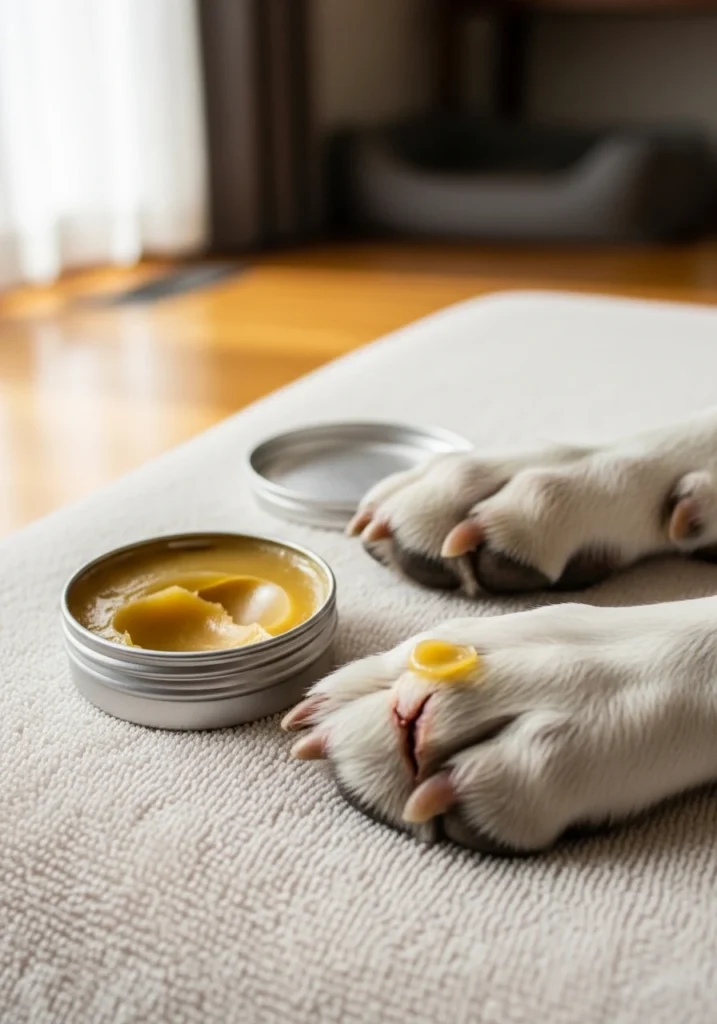
Look for a thick, wax-heavy formula with a high concentration of shea butter and vitamin E. These formulas provide more staying power and more intensive repair.
Musher’s Secret and Natural Dog Company’s Pawtection balm both have strong reputations in this category, and both use simple, dog-safe ingredient lists.
For Dogs With Sensitive Skin or Allergies
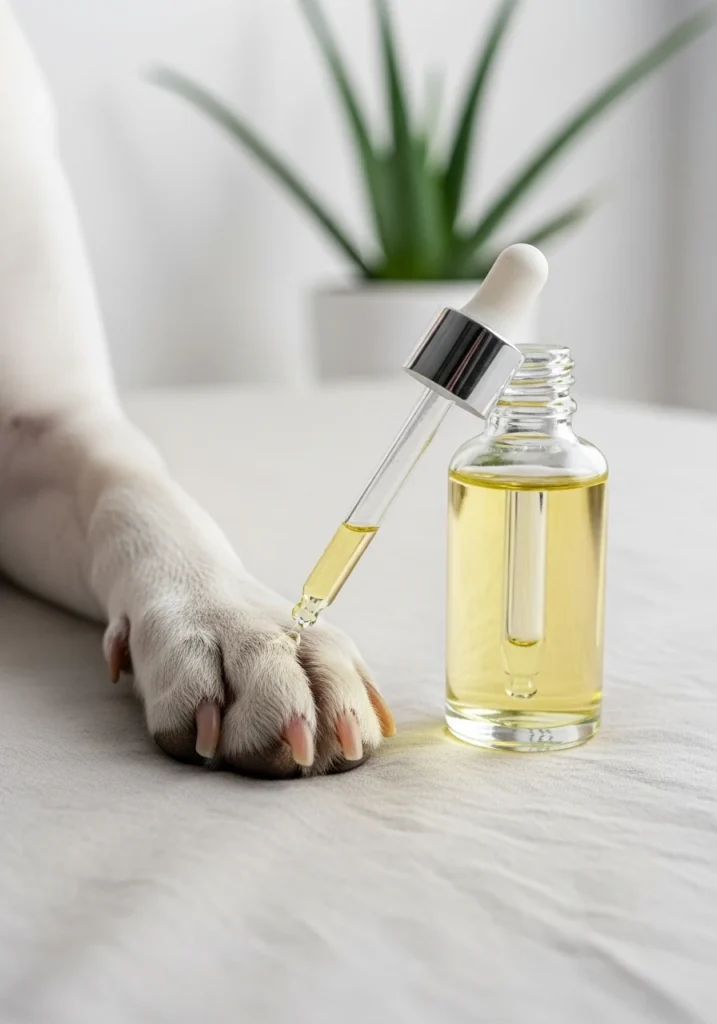
Go for a fragrance-free, minimal-ingredient formula. The fewer the ingredients, the easier it is to identify what works and what causes a reaction.
Viva Naturals organic coconut oil works well as a single-ingredient option for highly sensitive dogs.
For Active or Working Dogs
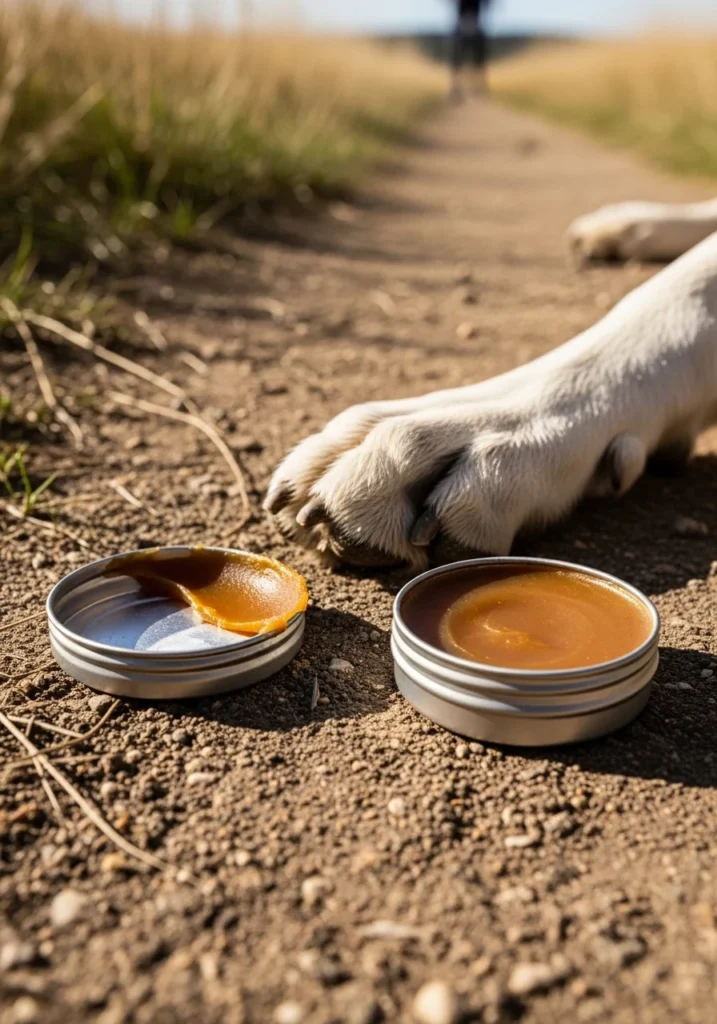
Dogs who hike, run, or work outdoors need a balm that forms a stronger protective barrier without reducing grip. Look for formulas that include carnauba wax or candelilla wax alongside beeswax.
These add durability to the protective layer without making pads slippery.
Signs Your Paw Balm Is Actually Working
How do you know your efforts are paying off? Here is what improvement actually looks like:
- The surface texture softens within two to three days of consistent application
- Visible cracks begin to close rather than deepen by the end of the first week
- Your dog stops obsessively licking their paws, which signals reduced irritation and discomfort
- The pads feel more supple and flexible when you gently press them, rather than stiff and leathery
- No new cracks form even during continued outdoor activity
If you are two weeks in and seeing none of these signs, the formula you chose might not suit your dog’s specific situation.
It may also signal that the cracking has an underlying cause, like a nutritional deficiency or allergy, that balm alone cannot fix.
In that case, a vet visit will point you in the right direction faster than any product will.
Final Thoughts
Your dog walks through life on four unprotected feet, trusting you to notice when something hurts.
Dry, cracked paw pads are common, but they are also very treatable with the right balm and a consistent routine.
Choose a formula with proven ingredients, apply it correctly, and stick with it through the healing process.
Summer heat, winter salt, and rough terrain will always challenge your dog’s paws, but a good paw balm puts you firmly in control of how much damage those conditions actually do.
Start tonight. Check those paws, pick a quality balm, and make it part of your regular routine. Your dog cannot ask you for a pedicure, but they absolutely deserve one.
Give Your Dog’s Paws The Care They Deserve. Shop Dog Paw Balms On Amazon Today
How Often Should I Apply Dog Paw Balm to Heal Cracked Pads?
For cracked or damaged pads, apply dog paw balm twice a day. Do this in the morning before outdoor activity and again at bedtime. The nighttime application works well because your dog rests for hours.
This gives the balm time to absorb and heal the damaged tissue. Once the pads heal, reduce applications to two or three times a week. This helps prevent future cracking.
Is Dog Paw Balm Safe if My Dog Licks It Off?
Most good dog paw balms use safe ingredients. These won’t harm your dog if licked a little. Look for natural items like shea butter, beeswax, and coconut oil. All are safe for dogs.
Avoid balms with zinc oxide, tea tree oil, or macadamia nut oil. These can be toxic, even in small amounts. If your dog licks off a lot, distract them with a treat.
You can also put dog socks on for 10 to 15 minutes after applying the balm.
How Long Does It Take for Dog Paw Balm to Heal Cracked Pads?
Mild dryness and roughness often improve in two to three days with twice-daily use. Moderate cracks with visible fissures usually show clear progress within one week.
Severe cracking with deep splits or bleeding may take two to three weeks to heal fully. This depends on the severity and how often you apply the balm.
Skipping applications slows healing, so being consistent is more important than how much balm you use each time.
Can I Use Human Lotion or Coconut Oil Instead of Dog Paw Balm?
Plain, organic coconut oil is safe for dogs and works well as a single-ingredient option.
However, many human lotions have fragrances, preservatives, and other ingredients that can irritate a dog’s skin or be toxic if ingested. A specially made dog paw balm is a better choice.
It includes healing and protective ingredients designed for canine skin and safety. If you need an emergency substitute, coconut oil is your best bet until you can find a proper balm.
What Is the Difference Between a Paw Balm and a Paw Wax for Dogs?
Paw balm mainly heals and moisturizes damaged or dry pads. It usually has more skin-repairing ingredients like shea butter, vitamin E, and aloe vera. Paw wax focuses on protection.
It forms a tougher barrier on the pad surface to guard against hot pavement, ice, salt, and rough terrain. Many products mix both functions. If your dog has cracked pads, use a balm-first formula to heal.
Then switch to a wax-heavy product for ongoing protection.