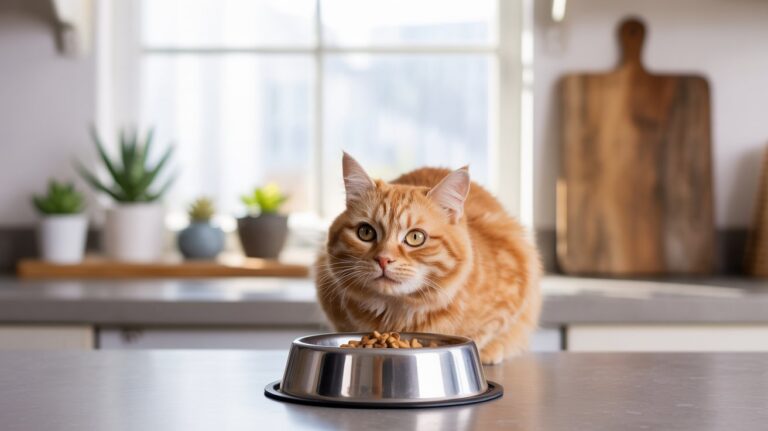
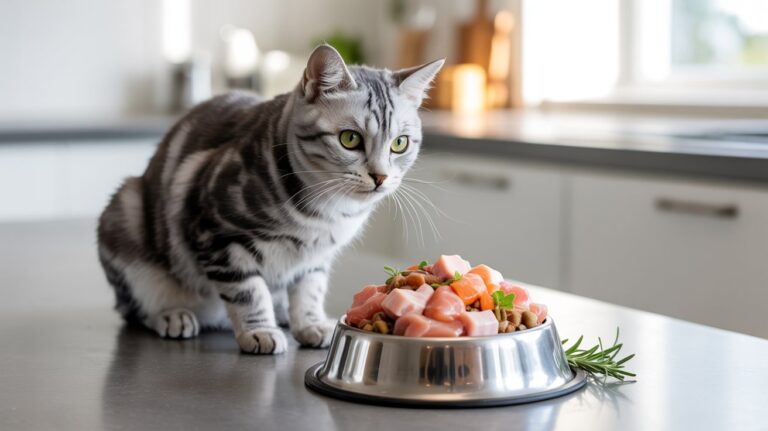
Wet Cat Food That Keeps Your Cat Hydrated and Healthy
If your cat sees the water bowl as just a decoration, you’re not alone. Cats often have a low thirst drive.
They may walk right past fresh water without a second thought. That’s where wet cat food becomes a game changer for hydration and health.
Wet cat food isn’t just tastier for your picky pet. It’s a vet-recommended way to ensure your cat gets the moisture she needs daily—without begging her to drink.
Let’s discuss why this matters, what to look for, and which options work best.
Why Hydration Is Such a Big Deal for Cats
Here is something most cat owners do not think about until there is a problem: cats evolved as desert animals. Their ancestors got most of their moisture from the prey they hunted, not from standing water.
So your cat’s instinct to ignore the water bowl? Completely natural, and completely problematic in a modern home setting.
Chronic low-level dehydration is one of the most common and overlooked issues in house cats. It creeps up quietly and can lead to serious health complications over time.
We are talking about issues that nobody wants to deal with and that can become expensive fast.
What Happens When a Cat Does Not Drink Enough?
When a cat stays chronically under-hydrated, the consequences stack up quickly:
- Urinary tract infections become more frequent because concentrated urine irritates the bladder lining
- Kidney disease accelerates since the kidneys have to work overtime to filter waste without adequate fluid
- Constipation becomes a recurring issue, which is as miserable for your cat as it sounds
- Bladder stones and crystals can form, sometimes requiring expensive surgical intervention
Wet cat food solves a big chunk of this problem because it contains roughly 70 to 80 percent moisture, compared to the measly 10 percent or so found in dry kibble.
That difference is enormous when you are dealing with an animal that barely drinks on her own.
What Makes Wet Cat Food Better for Hydration?
The math is almost embarrassingly simple. If your cat eats wet food twice a day, she is already consuming a significant portion of her daily fluid needs through her meals.
No convincing required. No water fountain tricks needed.
Beyond the moisture content, wet food more closely mimics a cat’s natural diet. In the wild, a mouse is about 70 percent water.
Wet food, particularly pate or shredded varieties, gets pretty close to that ratio. You are essentially giving your cat something her biology was already designed to process.
Texture and Format Matter More Than You Think
Not all wet cat food is created equal, and the texture makes a real difference in how much moisture your cat actually consumes. Here is a quick breakdown:
- Pate style: Dense and smooth, high moisture content, good for cats who like to lick rather than chew
- Shredded or flaked: Chunks in broth or gravy, some cats prefer the texture and drink the broth separately
- Minced: Finely ground with added liquid, sits between pate and shredded in terms of texture and hydration
- Broth-based: Often lower in solid protein but very high in moisture, great as a supplement to regular meals
My own cat, a stubborn tortoiseshell who has opinions about everything, refused pate for two years before I switched her to a shredded-in-broth formula.
She now actually looks forward to mealtime, which felt like a miracle honestly.
Browse Wet Cat Food Varieties On Amazon And Find The Right Texture For Your Cat
Key Ingredients to Look for in Healthy Wet Cat Food
Reading a pet food label can feel like deciphering a foreign language.
But once you know what to look for, it becomes much easier to separate the genuinely good options from the marketing fluff.
Cats are obligate carnivores. That means they need animal-based protein to survive and thrive.
A wet food that lists a named protein source like chicken, salmon, turkey, or beef as the first ingredient is already off to a solid start.
Ingredients That Belong in Good Wet Cat Food
- Named animal protein (first ingredient): Chicken, beef, tuna, turkey, salmon, duck
- Organ meats: Liver and heart provide essential nutrients like taurine naturally
- Added taurine: An absolute must since cats cannot synthesize taurine on their own and need it for heart and eye health
- Natural broth or water: Adds moisture without unnecessary additives
- Vitamins and minerals: Look for a complete and balanced label verified by AAFCO standards
Shop High-Quality Wet Cat Food With Clean Ingredients On Amazon
Ingredients Worth Avoiding
Just as important is knowing what to skip. Some wet foods pack in fillers and additives that your cat does not need and that water down the nutritional value:
- Carrageenan: A thickening agent linked to digestive inflammation in some cats
- Artificial colors and flavors: Completely unnecessary and potentially irritating
- Excess starchy fillers: Cats do not process carbohydrates efficiently, so high corn or wheat content serves no purpose
- Unnamed meat byproducts: Not all byproducts are bad, but you want to know what you are actually feeding your cat
How to Transition Your Cat to Wet Food
So you are sold on wet food. Great. Now comes the fun part: convincing your cat. Because if you think you can just swap out her food overnight and call it done, you have clearly never met a cat before.
Most cats resist sudden food changes, and a rapid switch can cause digestive upset anyway. A slow, gradual transition works best and usually takes about one to two weeks.
Here is a simple plan that actually works:
- Days 1 to 3: Mix 25 percent wet food with 75 percent of her current food
- Days 4 to 6: Go to a 50/50 mix and observe how her digestion responds
- Days 7 to 9: Shift to 75 percent wet and 25 percent old food
- Day 10 onward: Full wet food diet
Some cats make this transition smoothly. Others will stare at the bowl like you have personally offended them.
If your cat refuses outright, try warming the food slightly to enhance the smell, or add a small amount of low-sodium chicken broth to increase appeal.
Find Wet Cat Food That Makes Transitioning Easier, Available On Amazon
How Much Wet Food Does Your Cat Actually Need?
Portion sizes depend on your cat’s age, weight, and activity level. A general guideline is that most adult cats need about 3 to 4 ounces of wet food per 5 pounds of body weight per day, split across two meals.
Kittens need more frequent meals and higher protein content to support rapid growth. Senior cats often benefit from wet food specifically because it is easier to chew and digest as their systems slow down.
Always check with your vet if you are unsure about portion sizes, especially if your cat has an underlying health condition.
One thing worth noting: wet food does not store well once opened. Refrigerate unused portions immediately and use them within 24 to 48 hours.
Nobody wants to serve their cat day-old pate that has been sitting out. Your cat certainly will not stand for it.
Wet Food and Specific Health Conditions
If your cat already has a health condition, wet food is not just a nice option. In many cases, it is actively recommended by veterinarians.
Urinary Health
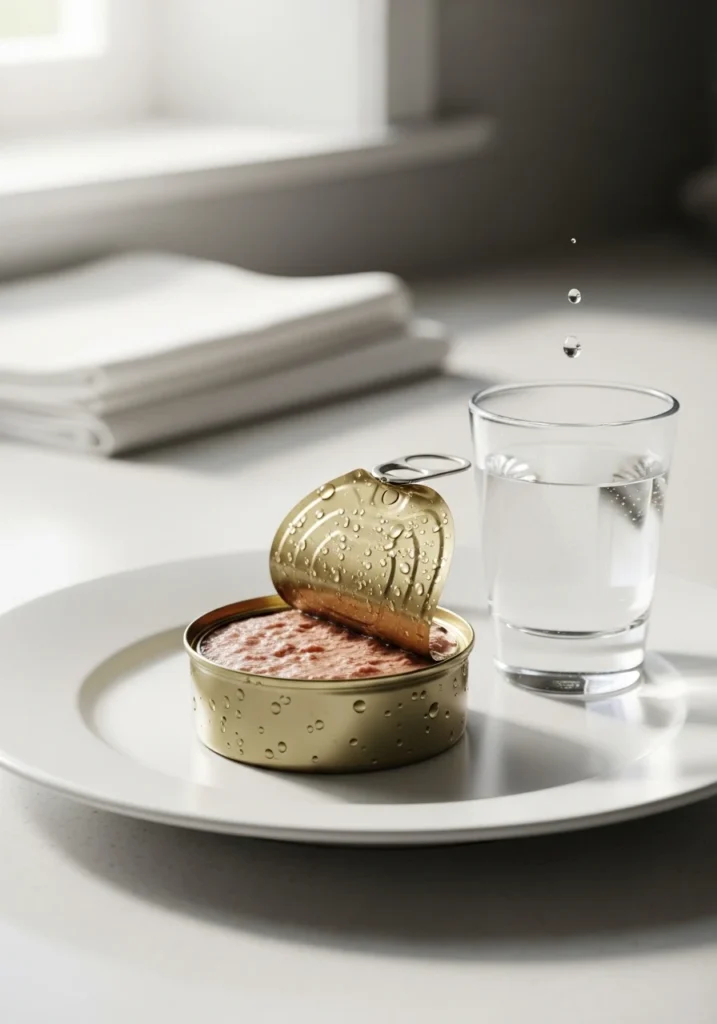
Cats prone to urinary tract issues or bladder crystals benefit enormously from the increased moisture in wet food. The higher fluid intake helps dilute urine and flush the urinary tract more regularly.
Prescription urinary wet diets are available for cats with recurring issues, and they are worth every penny compared to the alternative.
Kidney Disease
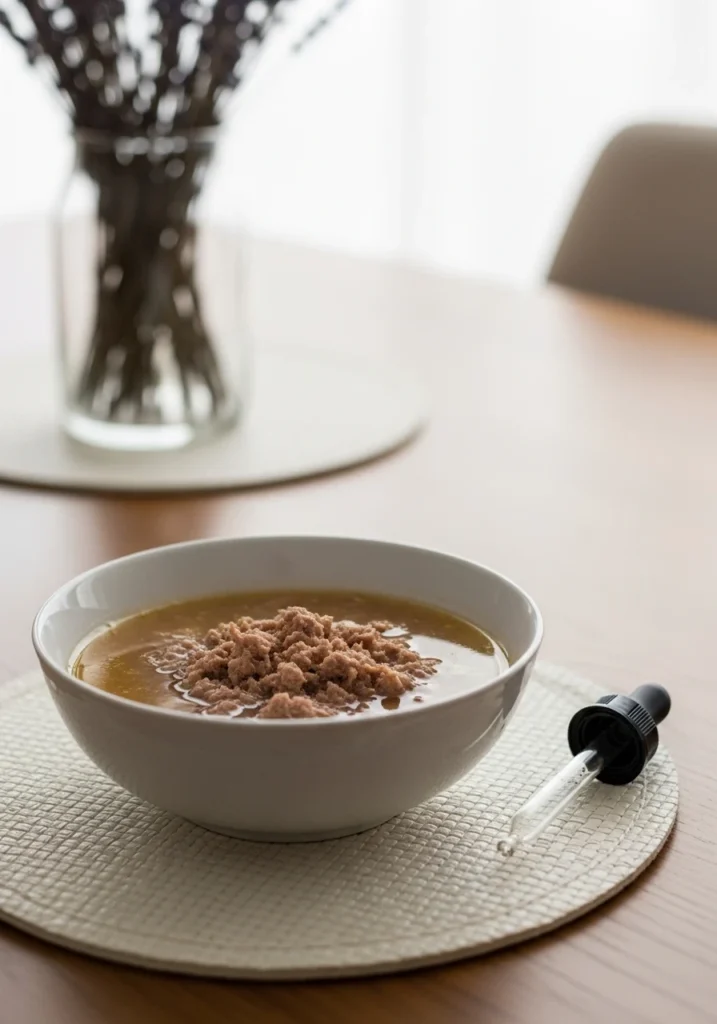
Chronic kidney disease is one of the most common conditions in older cats. Wet food helps these cats stay hydrated while their kidneys struggle to concentrate urine efficiently.
Many cats with kidney disease find wet food more palatable too, which matters because appetite loss is a common and serious symptom.
Explore Vet-Recommended Wet Cat Food Options For Sensitive And Senior Cats On Amazon
Weight Management
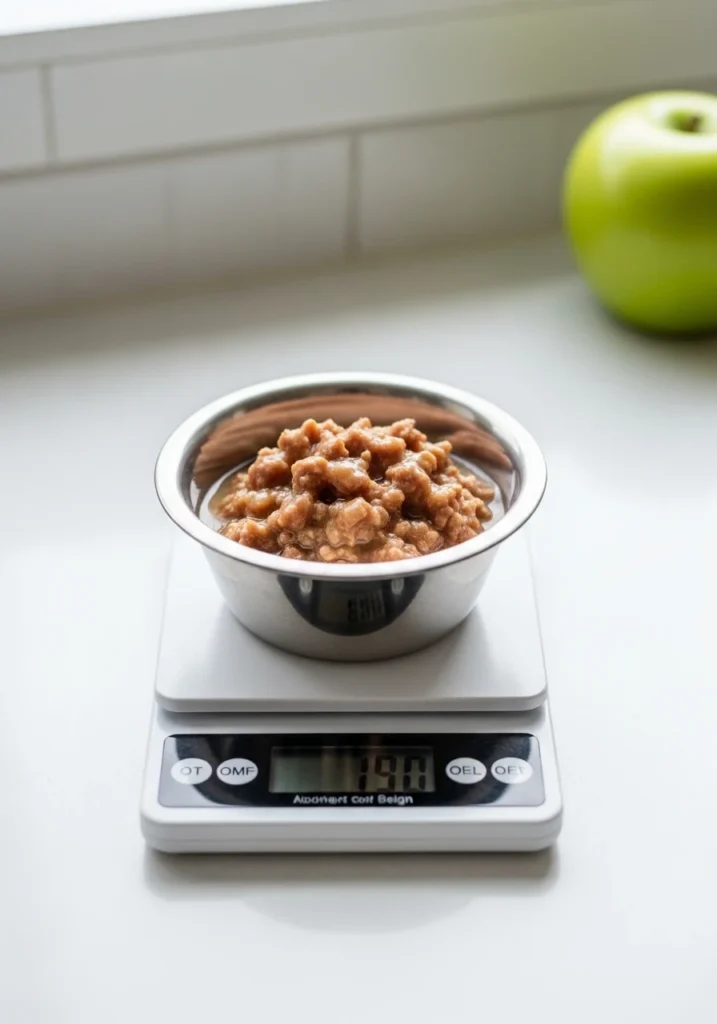
Wet food can actually support healthy weight management because it is lower in calorie density per gram than dry food.
A cat feels fuller from wet food without necessarily consuming excess calories, which helps maintain a healthy weight over time.
A Few Honest Thoughts on Popular Wet Food Brands
Without turning this into a full product review, there are a few things worth keeping in mind when shopping:
- Fancy Feast Classic Pate remains a popular and affordable option with a short, reasonable ingredient list for budget-conscious cat owners
- Wellness CORE and Tiki Cat tend to use higher quality protein sources and avoid unnecessary fillers, though they cost more
- Royal Canin and Hill’s Science Diet offer prescription and breed-specific formulas that your vet might recommend for targeted health needs
- Smalls and Open Farm operate on a human-grade ingredient model if you want to go premium
The best wet food is the one your cat will actually eat that meets her nutritional needs. A fancy grain-free formula sitting untouched in the bowl helps nobody.
Closing Thoughts: Your Cat Will Thank You (In Her Own Way)
Switching to or incorporating wet cat food is one of the simplest, most impactful things you can do for your cat’s long-term health.
Better hydration, improved kidney function, a healthier urinary tract, and a happier cat at mealtime are all very real outcomes of making this change.
Will your cat thank you with enthusiastic purring and affectionate head bumps? Maybe. Or she will eat the food and immediately go knock something off the counter.
Either way, you will know you made a genuinely good choice for her health, and that is what actually counts.
Ready To Make The Switch? Explore A Wide Range Of Wet Cat Food Options On Amazon Today
How Does Wet Cat Food Help With Cat Hydration?
Wet cat food has about 70 to 80 percent moisture. This helps your cat meet a large part of her daily fluid needs through her meals.
Cats have a low thirst drive from their desert ancestors, so they often don’t drink enough water. Feeding wet food twice a day increases fluid intake easily for both you and your cat.
Over time, this simple change can lower the risk of dehydration-related health issues.
Is It Okay to Feed My Cat Wet Food Every Day?
Yes, feeding your cat wet food daily is safe and beneficial for most cats. Veterinarians often recommend it, especially for cats with urinary tract issues, kidney disease, or weight problems.
Choose a complete, balanced formula verified by AAFCO standards. Also, portion it based on your cat’s weight and age. If your cat has a health condition, check with your vet before changing their diet.
What Should I Look for on a Wet Cat Food Label?
The first ingredient should be a named animal protein like chicken, salmon, turkey, or beef. Look for added taurine, as cats can’t produce it. They need it for heart and eye health.
Natural broth or water is a good sign. An AAFCO complete and balanced statement shows the food meets minimum nutrition needs.
Avoid formulas that list carrageenan, artificial colors, unnamed meat byproducts, or too many starchy fillers near the top of the ingredient list.
How Much Wet Cat Food Should I Feed My Cat Daily?
A general guideline for healthy adult cats is 3 to 4 ounces of wet food for every 5 pounds of body weight daily. This amount is usually split into two meals.
Kittens require more frequent feedings and higher protein for growth. Senior cats may need different portions based on their health and activity.
Portion sizes can change if you feed wet food only or mix it with dry food. If unsure, ask your veterinarian for a personalized feeding plan for your cat.
Can Wet Cat Food Help Cats With Kidney Disease or Urinary Problems?
Wet cat food is one of the most commonly recommended dietary adjustments for cats dealing with kidney disease or recurring urinary tract issues.
The high moisture content helps dilute urine, reduces strain on the kidneys, and flushes the urinary tract more consistently throughout the day.
For cats with chronic kidney disease, staying well-hydrated slows the progression of the condition and often improves appetite, which is a common struggle with this illness.
Prescription wet food formulas are also available for cats with more advanced or specific urinary and kidney conditions.