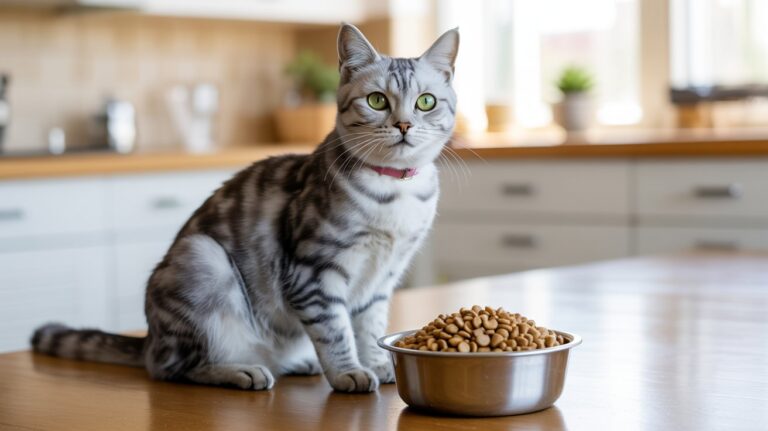
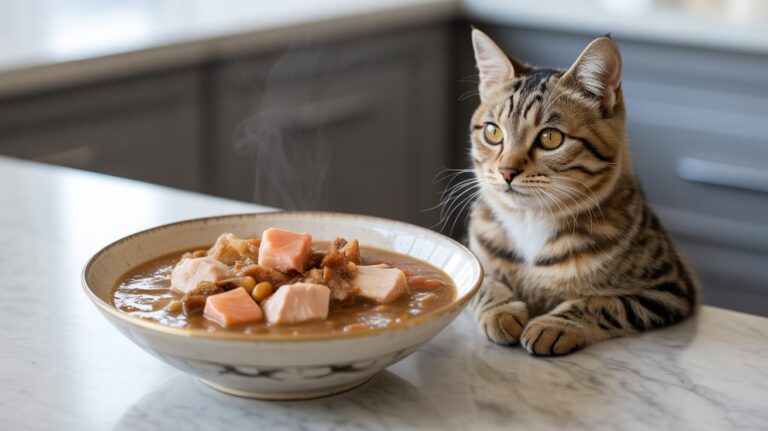
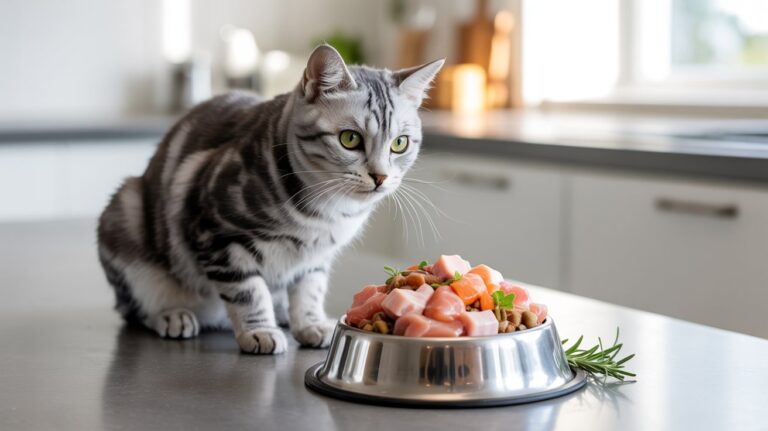
Freeze-Dried Raw Cat Food That Actually Works
Your cat stares at the bowl. You glance back. The pricey kibble you bought sits untouched while your cat gives you that look—you know the one.
If you’ve been here before, you know feeding cats is more about winning over a tiny, judgmental carnivore than checking nutrition labels.
That’s why freeze-dried raw cat food is a game-changer for many owners. It connects “what cats need” with “what fits into a real person’s life.” But not all freeze-dried options are the same.
Some are truly bad, even with their high price tags. So let’s discuss what works, what doesn’t, and why your cat might finally finish that bowl.
What Is Freeze-Dried Raw Cat Food, Really?
Before getting into the good stuff, it helps to understand what you are actually buying. Freeze-drying is not some fancy marketing buzzword.
It is a real preservation method that removes moisture from raw ingredients at extremely low temperatures, which locks in nutrients without cooking them away.
The result is food that retains most of the nutritional profile of raw meat, but without the refrigeration headache and the “is this still safe?” anxiety that comes with handling raw proteins every single day.
You get the benefits of a raw diet in a shelf-stable format. That is genuinely impressive technology working in your cat’s favor.
How It Differs from Kibble and Wet Food
Kibble relies on high-heat processing, which degrades a significant portion of proteins and requires artificial supplements to compensate.
Wet food is better, but it still goes through heat treatment that changes the nutrient structure. Freeze-dried raw keeps enzymes, amino acids, and natural moisture content largely intact.
Think of it this way: kibble is to raw food what instant coffee is to freshly ground beans. They both technically do the job, but one of them is clearly doing more.
Why Cats Actually Thrive on a Raw-Based Diet
Cats are obligate carnivores. That is not a preference, it is biology. Their digestive systems are built to process animal protein and fat, not grains, corn syrup, or the mystery ingredients hiding in budget kibble.
When you feed them food that mirrors what their bodies are designed for, the difference shows up quickly.
Most cat owners who switch to freeze-dried raw report noticing changes within a few weeks.
Shinier coats, more consistent energy levels, smaller and less odorous stools, and fewer digestive issues are among the most commonly mentioned improvements.
Your cat’s litter box experience improving is not exactly a glamorous selling point, but trust me, you will notice.
The Protein Quality Factor
Not all protein is equal, and cats are surprisingly sensitive to this. High-quality animal protein from muscle meat, organs, and bone provides the amino acid profile that cats need.
Taurine, for instance, is an essential amino acid for cats that they cannot synthesize on their own. Natural taurine from real meat is absorbed more efficiently than synthetic taurine added back into processed food.
When you look at freeze-dried raw products, check that the protein sources are named and specific. “Chicken” is good. “Poultry by-product meal” is a much more ambiguous situation.
What to Look for in a Freeze-Dried Raw Cat Food
Shopping for freeze-dried raw can feel overwhelming, especially when every bag promises to be “the most natural” option on the shelf. Here is what actually matters.
Ingredient Transparency
The ingredient list should read like something you could theoretically buy at a butcher shop. Look for:
- Named protein sources as the first ingredient (chicken, turkey, rabbit, venison)
- Organ meats like liver or kidney, which provide essential vitamins
- Ground bone or bone meal for calcium and phosphorus balance
- Minimal or no fillers like peas, lentils, potatoes, or grains
If the list reads more like a chemistry experiment than a meal, put it back on the shelf.
Complete and Balanced Formulation
This matters more than most people realize. A product can be made from excellent ingredients and still fail your cat nutritionally if the ratios are off.
Look for AAFCO (Association of American Feed Control Officials) compliance on the packaging. This tells you the food meets minimum nutritional standards for cats at the life stage indicated.
Some raw-focused brands skip AAFCO compliance and market their food as a supplement or “topper” rather than a complete meal.
That is fine if you know what you are doing, but if freeze-dried raw is going to be your cat’s primary food, you need a complete and balanced formula.
Moisture Content and Rehydration
One often-overlooked aspect of freeze-dried raw is how you serve it.
Cats are notoriously bad at drinking enough water on their own, which makes moisture in food critically important for kidney and urinary tract health.
Always rehydrate freeze-dried raw before serving by adding warm water and letting it sit for a few minutes. This restores the food closer to its natural state and helps your cat stay hydrated.
Top Formulations Worth Your Attention
Rather than ranking specific brands (because availability and formulations change constantly), let’s focus on the types of formulations that consistently perform well.
Single-Protein Formulas
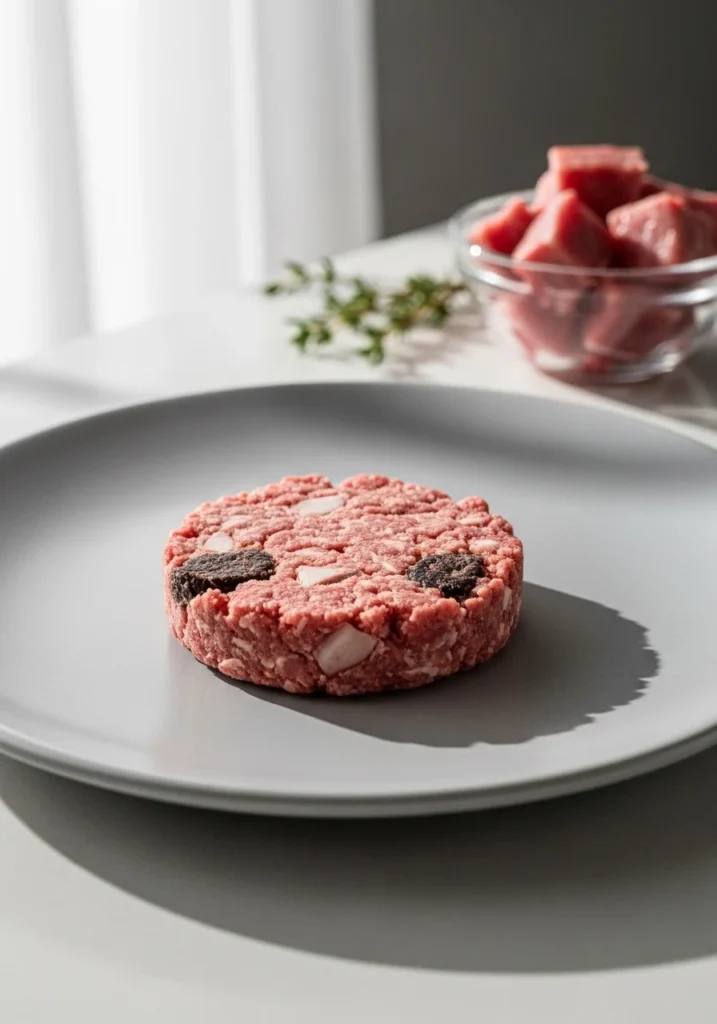
These are ideal for cats with food sensitivities or allergies. A single-protein formula using only one meat source makes it much easier to identify and eliminate the cause of any digestive issues.
Novel proteins like rabbit, duck, or venison are particularly useful for cats that have developed sensitivities to more common proteins like chicken or fish.
Whole Prey or Frankenprey-Style Formulas
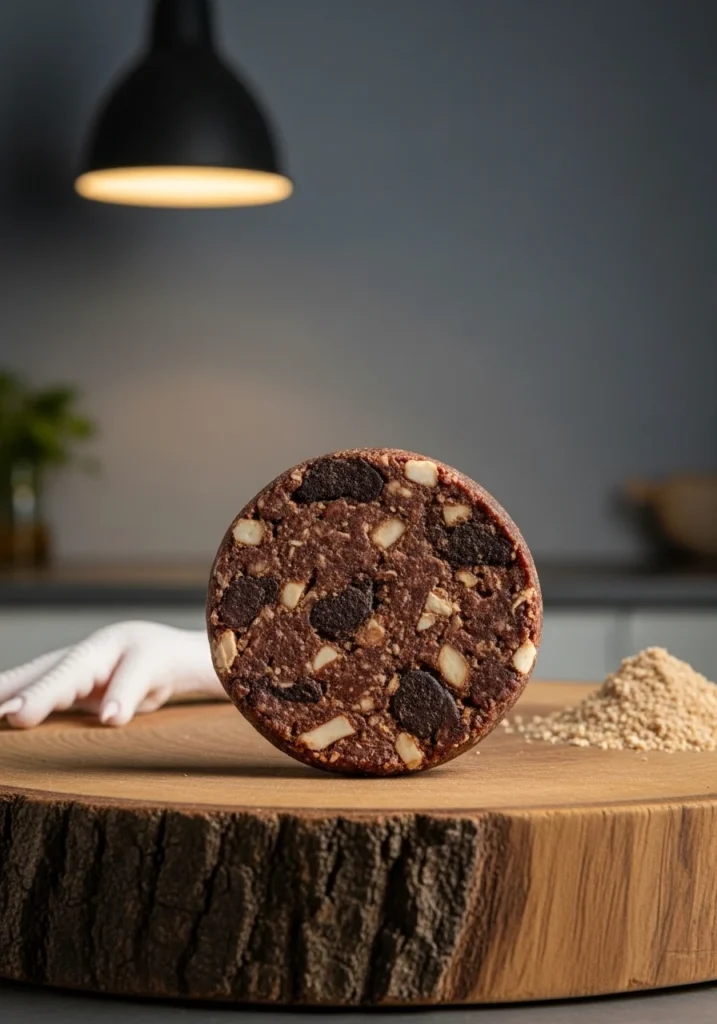
These products aim to replicate the nutritional profile of what a cat would eat in the wild, including muscle meat, organs, and ground bone in proportions that mirror a whole prey animal.
They tend to be among the most nutritionally complete options available and work especially well for cats that have dealt with chronic health issues related to poor diet.
Freeze-Dried Toppers
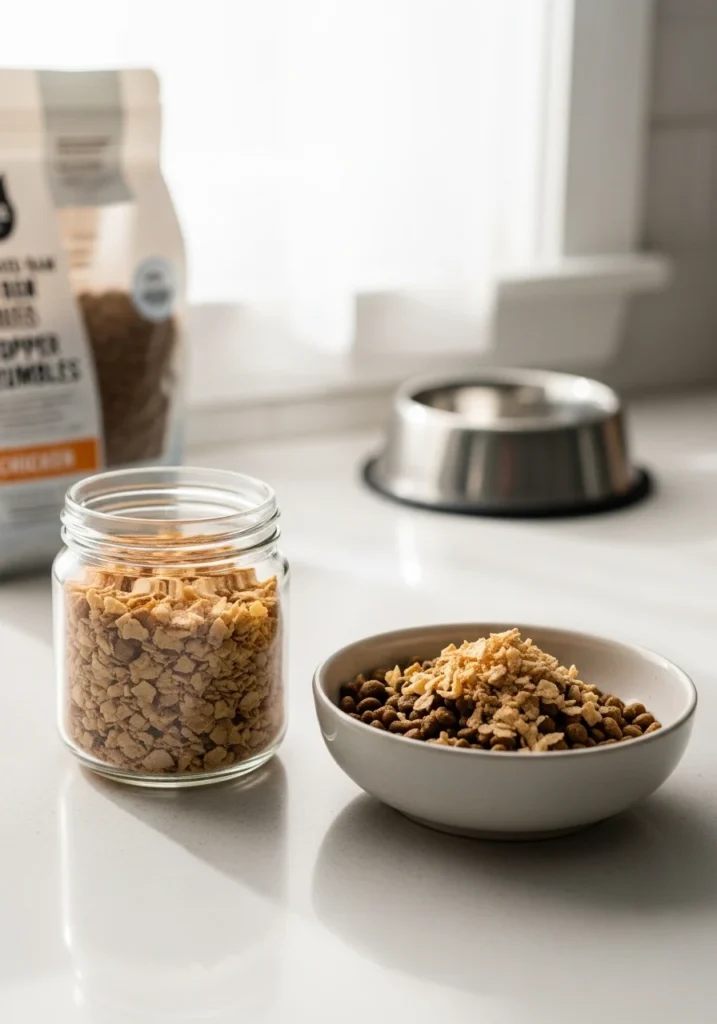
If your cat is a committed kibble loyalist and refuses to make the switch cold turkey (no pun intended), toppers are a brilliant compromise.
Sprinkling freeze-dried raw over existing food adds nutritional value, palatability, and helps transition picky eaters toward a better diet without the daily battle of wills.
Making the Switch Without Losing Your Mind
Transitioning to freeze-dried raw is not always a smooth process.
Cats can be deeply suspicious of anything new, and some of them treat a different food like you have personally betrayed their trust. Patience is not optional here.
Start slow. Mix a small amount of rehydrated freeze-dried raw with whatever your cat currently eats and gradually increase the ratio over two to four weeks.
Rushing this process often results in digestive upset and a cat that has now associated the new food with feeling bad.
Dealing with Picky Eaters
Some cats make this process dramatic. If your cat is refusing the new food entirely, try these approaches:
- Warm the food slightly before serving. This releases aromas that mimic fresh prey and makes the food significantly more appealing.
- Use a food topper or palatant like a small amount of freeze-dried meat crumbles on top to encourage initial interest.
- Limit the free-feeding window. Cats that graze all day have no urgency around mealtime. Switching to scheduled meals creates a natural motivation to eat what is in front of them.
The Cost Reality Check
Yes, freeze-dried raw cat food costs more than kibble. That is just the truth, and pretending otherwise would be doing you a disservice.
But the cost comparison is more nuanced than the sticker price suggests.
Freeze-dried raw is calorie-dense, which means cats often need less volume to meet their nutritional needs.
Many owners find that portion sizes are smaller than they expected, which offsets the higher per-bag cost. Additionally, fewer vet visits related to diet-driven health issues can represent real savings over time.
Urinary issues, digestive problems, obesity, and poor coat condition are all areas where diet plays a significant role.
Think of it less as a luxury expense and more as an investment in fewer emergency vet appointments down the line.
Reading the Labels Like You Mean It
Marketing copy on pet food packaging is designed to appeal to you, not your cat. Words like “natural,” “wholesome,” and “premium” carry no regulated definitions in the pet food industry.
Anyone can print them on a bag. What actually tells you something useful is the guaranteed analysis panel and the ingredient list.
The guaranteed analysis tells you the minimum protein and fat percentages and maximum fiber and moisture levels. For cats, you generally want to see:
- Crude protein at or above 40% on a dry matter basis
- Crude fat between 20% and 45% on a dry matter basis
- Carbohydrates as low as possible (ideally under 10%)
To compare foods with different moisture levels fairly, you need to convert to a dry matter basis. Divide the nutrient percentage by 100 minus the moisture percentage, then multiply by 100.
It sounds more complicated than it is once you do it a couple of times.
The Bottom Line on Freeze-Dried Raw
Freeze-dried raw cat food is not a trend that exists to part cat owners from their money.
For cats that struggle with kibble-related health issues, for picky eaters who refuse wet food, and for owners who want to feed a raw diet without the logistical complexity, it genuinely works.
The key is choosing products with transparent ingredients, complete and balanced nutrition, and the right protein sources for your individual cat.
Start slow with the transition, commit to rehydrating the food properly, and give your cat time to adjust.
Your cat deserves food that actually matches what their body needs. And honestly, after you see the difference it makes, you will wonder why it took you so long to make the switch.
The empty bowl will tell you everything.
Is Freeze-Dried Raw Cat Food Safe for My Cat to Eat Every Day?
Yes, freeze-dried raw cat food is safe for daily feeding. Just choose a product labeled “complete and balanced” by AAFCO.
These formulations meet the basic nutritional needs for cats at their life stage. Always rehydrate the food with warm water before serving. This helps your cat stay hydrated and aids digestion.
How Much Freeze-Dried Raw Cat Food Should I Feed My Cat?
Feeding amounts depend on your cat’s weight, age, and activity level. Most brands offer a feeding guide on the packaging based on body weight.
Generally, a healthy adult cat needs about 25 to 35 calories per pound each day. Since freeze-dried raw food is calorie-dense, portion sizes are usually smaller than those for kibble or wet food.
Can I Mix Freeze-Dried Raw Cat Food with Regular Kibble?
Yes, this is one of the best ways to help a picky eater. Start with a small amount of rehydrated freeze-dried raw food as a topper on your cat’s kibble.
Gradually increase the raw to kibble ratio over two to four weeks. This method lowers the risk of digestive upset and lets your cat adjust to the new food.
What Is the Difference Between Freeze-Dried and Dehydrated Cat Food?
Freeze-drying takes moisture out at low temperatures under vacuum. This keeps the raw nutritional profile intact without cooking the ingredients. Dehydration uses low heat for a longer time.
It removes moisture but can harm heat-sensitive nutrients, like certain enzymes and amino acids. Overall, freeze-dried raw food keeps more of its original nutritional value than dehydrated options.
Why Is My Cat Refusing to Eat Freeze-Dried Raw Cat Food?
Cats can resist new foods, especially if they’ve eaten the same kibble for a long time. To help them adjust, try warming the rehydrated food a bit to release its natural aromas.
You can also mix it with a familiar food to ease the transition. Switching to scheduled mealtimes instead of free-feeding can help too.
Most cats will accept the new food within a few weeks when they see it as part of mealtime instead of a surprise.