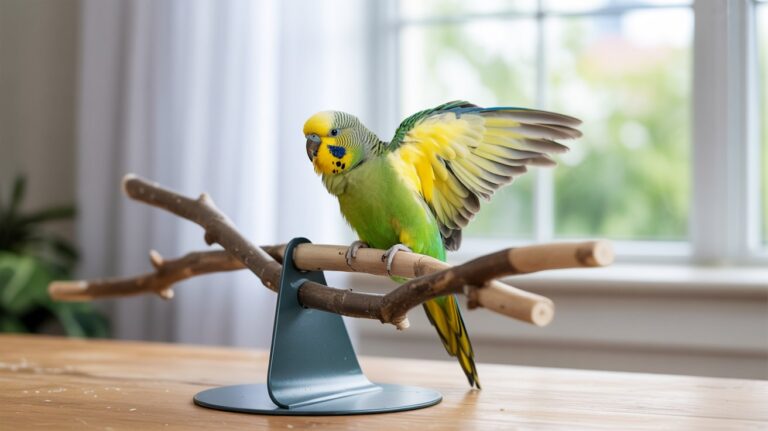
Window Bird Perches That Bring Birds Right to You
You set up a bird feeder in your yard, waited, and got a squirrel. Sound familiar? If you want birds right at your window, a window bird perch is what you need.
These perches and feeders attach directly to your glass, giving you a front-row seat to nature. Once you set one up, you’ll wonder why you waited so long.
What Exactly Is a Window Bird Perch?
A window bird perch is a small platform, shelf, or feeder that attaches directly to a window pane, usually with suction cups.
Birds land on it, you watch from inches away, and suddenly your morning coffee becomes a whole lot more interesting.
These perches come in several styles, and the differences matter more than you might think.
Types of Window Bird Perches
- Suction cup feeders with a tray: These combine a perching surface with a seed tray. Birds land, eat, and you get an unobstructed view of the whole show.
- Platform perches without feeders: Simple landing spots that attract birds already familiar with your yard. Great for adding extra stop-off points near an existing feeder.
- Clear acrylic window feeders: The gold standard for close-up viewing. The transparent design lets you see birds from both sides, and some designs hold enough seed to last several days.
- Hummingbird window feeders: Smaller, nectar-filled versions designed specifically for hummingbirds. If you have never watched a hummingbird hover at eye level, you are missing out on something genuinely spectacular.
Browse Window Bird Perches On Amazon
Why Window Perches Work So Well
Here is a question worth considering: why would a wild bird, a creature wired to avoid predators, land on something stuck to a human’s window?
The answer is simple. Birds are opportunistic feeders. If food is available and the location feels safe over time, they will use it.
Window perches that offer consistent seed, nectar, or just a sheltered landing spot become part of a bird’s regular routine faster than most people expect.
The key word there is “consistent.” Birds do not reward impatience, but they do reward reliability.
How to Choose the Right Window Bird Perch
Not every perch works for every window or every bird-watcher. A few things genuinely matter when you are picking one out.
Suction Cup Quality
This is non-negotiable. Cheap suction cups fail, usually at the worst possible moment, like when a house sparrow is sitting on the feeder and you are excitedly pointing it out to a guest.
Look for perches with heavy-duty suction cups rated to hold at least a few pounds. Silicone cups tend to outlast rubber ones, especially through seasonal temperature swings.
Find Highly Rated Suction Cup Bird Feeders On Amazon
Feeder Capacity
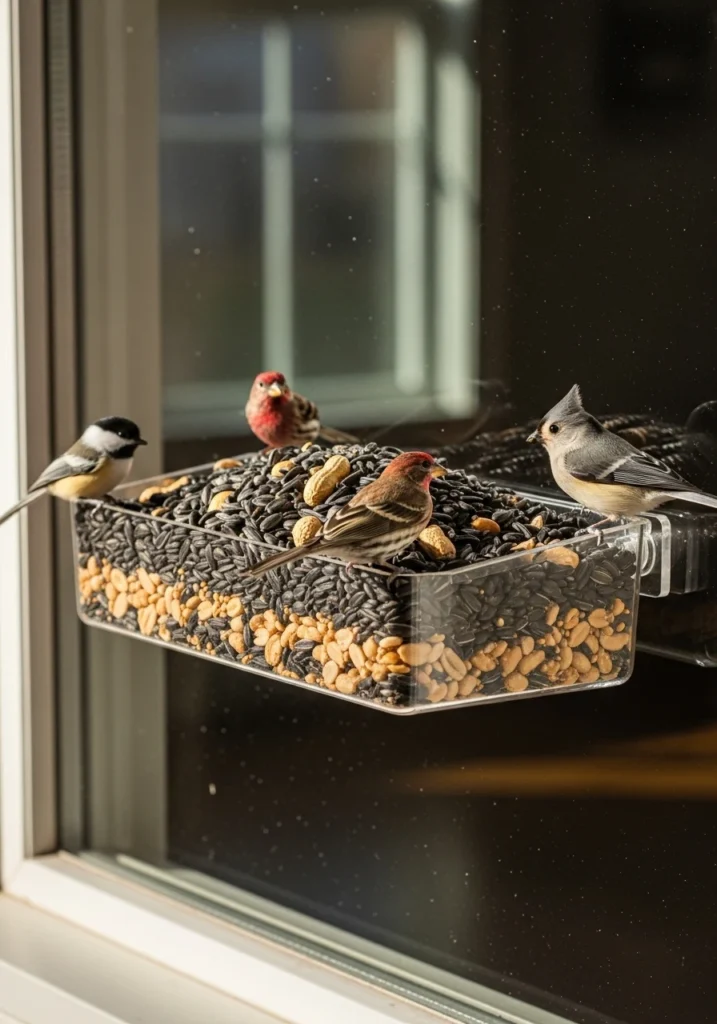
If you travel for work or simply forget things exist once you set them up, choose a feeder with a larger seed capacity.
A tray that holds only a handful of seeds needs refilling every day or two, which is charming in theory and annoying in practice.
Material and Weather Resistance
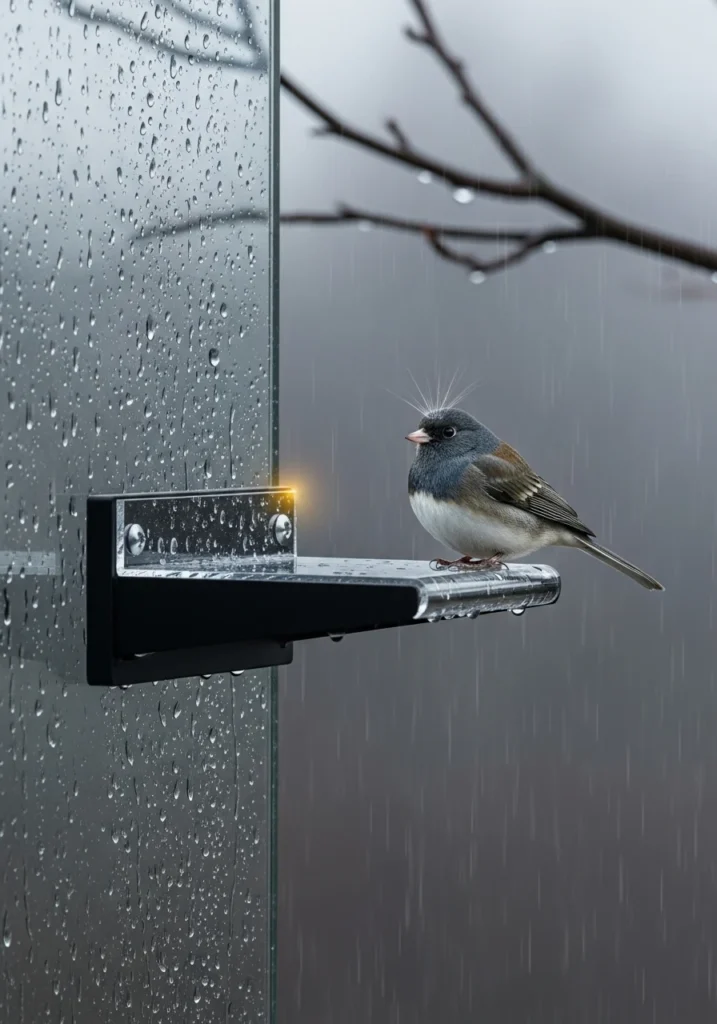
Window perches live outside through rain, sun, and cold. UV-resistant acrylic and powder-coated metal hold up far better than basic plastic.
Acrylic feeders also stay cleaner looking over time, which matters because a grimy feeder pressed against your window is, frankly, less appealing than advertised.
Visibility and Design
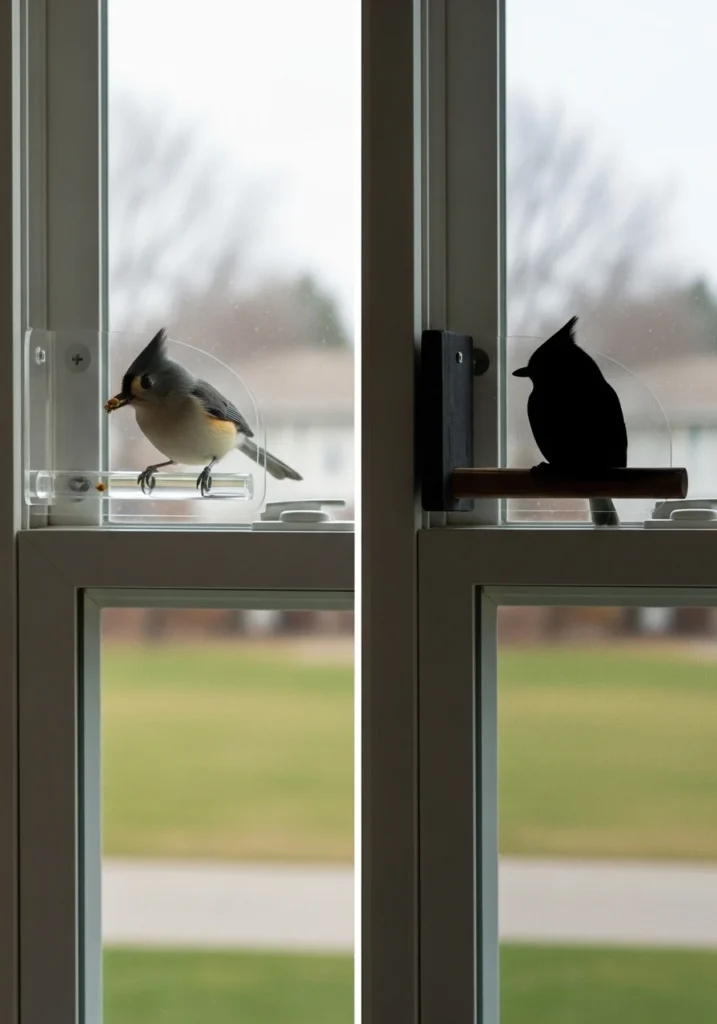
Clear acrylic designs give you the best view, full stop. If close-up observation is your goal, prioritize transparency over decorative styling.
Some wooden or painted perches look lovely from the outside but create a visual barrier you did not account for when you bought them.
Setting Up Your Window Bird Perch the Right Way
Even the best perch fails if you put it in the wrong spot. Setup matters more than most product descriptions let on.
Pick the Right Window
South or east-facing windows typically get more bird activity because they offer morning light and warmth.
Avoid windows right next to heavy foot traffic inside the house. Birds notice movement, and if someone walks past every five minutes, the perch will stay empty.
Clean the Glass Before Attaching
This sounds obvious until you realize your suction cups are sliding down the window three days after you installed them. Clean glass holds suction cups significantly better.
Wipe the surface with rubbing alcohol, let it dry completely, then press the cups firmly into place.
Give Birds Time to Discover It
New things in a bird’s environment trigger caution, not curiosity. Most birds take anywhere from a few days to two or three weeks to start using a new window perch.
Place it near an existing feeder or bird-friendly shrub if you have one, and use the same seed you know local birds already eat. Patience is the one accessory that does not come in the box.
The Best Seed and Bait Choices for Window Perches
What you put in your window feeder determines which birds show up. This is one of those things that sounds like common knowledge but makes a real difference.
Seeds That Attract the Most Species
- Black oil sunflower seeds: The crowd-pleaser. Chickadees, finches, nuthatches, and cardinals all go for these. If you only stock one seed, make it this one.
- Nyjer (thistle) seed: Small and fine, designed for small-beaked birds like goldfinches and pine siskins. Use a feeder with small ports, or the seed blows everywhere.
- Safflower seeds: Cardinals love these, and squirrels generally ignore them. That alone makes safflower worth considering.
- Peanut pieces: Attract blue jays, woodpeckers, and nuthatches. Shells-removed versions work better in small window feeder trays.
Shop Bird Seed For Window Feeders On Amazon
What to Avoid
Skip the cheap mixed seed bags with lots of filler like milo or red millet. Most songbirds toss those seeds aside, which creates a mess and does not attract the birds you actually want.
Quality seed costs a little more and works a lot better.
Window Perches vs. Yard Feeders: Which One Should You Use?
Honest answer: both, if you can manage it. But if you are choosing between them, here is how they actually compare.
Yard feeders attract more birds because they sit in open space with better visibility for the birds themselves.
They also hold more seed and require less frequent refilling. The downside is distance. You watch from a window, and anything smaller than a robin is just a blur.
Window perches give you proximity that no yard feeder can match. You see feather detail, individual markings, and behavior that you simply cannot observe from across the yard.
The tradeoff is that they attract fewer birds overall, especially at first.
For serious bird-watching from indoors, use a yard feeder to pull birds into your garden and a window perch to pull them close.
The yard feeder does the recruitment; the window perch does the entertainment.
Keeping Your Window Bird Perch Clean
Nobody likes talking about this part, but a dirty feeder genuinely harms birds. Mold and bacteria grow in wet seed, and birds that eat contaminated food get sick.
Clean your window feeder at least once every two weeks, more often in humid or rainy weather.
Quick Cleaning Routine
- Remove the feeder from the window.
- Dump out any old or wet seed.
- Scrub the tray and any seed ports with a stiff brush and a diluted white vinegar solution or a 10 percent bleach solution.
- Rinse thoroughly and let it dry completely before refilling.
- Reattach and refill with fresh seed.
Shop Easy-To-Clean Window Bird Feeders On Amazon
A clean feeder keeps birds healthy and keeps them coming back. It also just looks better pressed against your window, which you will appreciate more than you think.
Getting the Most Out of Your Window Bird Watching
A window perch is a tool, but how you use the space around it determines how much you get from the experience.
Keep a small pair of binoculars nearby, not for the birds on the perch (they are already close enough) but for identifying species farther out in the yard.
Keep a field guide or a bird ID app on your phone for the moments when something unfamiliar shows up and you want to know exactly what you are looking at.
Consider placing the perch near a plant or shrub on the outside of the window. Birds feel more comfortable approaching a feeder when they have a nearby perch to scope out the area first.
A small potted shrub on a windowsill or a climbing plant along the exterior wall works well for this.
Final Thoughts
Window bird perches do one thing brilliantly: they close the distance between you and birds in a way that feels almost absurdly simple once you try it.
You mount a feeder, add some good seed, wait a week or two, and suddenly your window becomes the most interesting spot in the house.
The setup costs very little, the maintenance is manageable, and the payoff is genuine.
There is something quietly satisfying about a chickadee landing two feet from your face while you are still in your pajamas holding a cup of coffee.
No yard required, no binoculars needed, and no squirrels stealing the show.
Set one up this weekend. Your mornings will thank you.
Find The Perfect Window Bird Perch On Amazon
What Is the Best Window Bird Perch for Close-Up Viewing?
The best window bird perch for close-up viewing is a clear acrylic suction cup feeder. Its transparent design removes barriers, so you can see every feather from just a few inches away.
Choose one with strong silicone suction cups and a seed tray deep enough for black oil sunflower seeds without spilling.
How Long Does It Take for Birds to Use a Window Bird Feeder?
Most birds take a few days to three weeks to use a new window bird feeder. They are cautious about unfamiliar objects.
To help, stay consistent. Keep the feeder filled with quality seed. Place it near an existing feeder or shrub. Avoid moving it around while you wait.
How Do You Keep a Window Bird Perch From Falling Off?
The main reason a window bird perch falls off is poor surface prep. Always clean the glass with rubbing alcohol before you attach the suction cups.
Press each cup firmly against a dry surface. Pick a perch with silicone suction cups made for outdoor use. Also, re-press the cups every few weeks, especially after temperature changes.
What Seeds Attract the Most Birds to a Window Feeder?
Black oil sunflower seeds attract many birds to window feeders. You’ll see chickadees, finches, cardinals, and nuthatches.
Nyjer seed draws in goldfinches and pine siskins. Safflower seed is great if squirrels are an issue since they usually ignore it.
Avoid cheap mixed seed blends with fillers like milo. Most songbirds reject these and they cause a mess.
How Often Should You Clean a Window Bird Perch?
Clean a window bird perch at least every two weeks. Do this more often in warm or humid weather since mold grows faster.
Remove old seed first. Then, scrub the tray with diluted white vinegar or a 10 percent bleach solution.
Rinse it thoroughly and let it dry completely before refilling. A clean feeder helps bird health and keeps your feeder looking nice on the glass.