Warning Signs of Respiratory Illness in Birds
Your bird seemed fine yesterday. Today, it’s puffed up at the bottom of the cage. It’s barely moving and makes a clicking sound when it breathes.
That sinking feeling in your gut? It’s your instincts saying something is wrong. Respiratory illness in birds can progress quickly.
Catching it early can mean the difference between recovery and loss.
Birds are experts at hiding illness. This survival instinct has developed over millions of years. A sick bird in the wild becomes a target, so they hide their symptoms until they can’t anymore.
By the time your feathered friend looks unwell, the problem may be serious. Knowing what to watch for gives you a better chance.
Why Respiratory Problems Are Particularly Dangerous in Birds
Before we get into the warning signs, let’s talk about why respiratory illness specifically deserves so much attention.
Birds have a unique respiratory system that is fundamentally different from mammals. They don’t just have lungs.
They have a network of air sacs that extends throughout their body, which means an infection doesn’t stay neatly contained in one spot.
This design makes birds extremely efficient breathers, which is great for flying. But it also means respiratory infections spread quickly and hit hard.
What starts as a mild upper respiratory irritation can escalate into a full systemic infection within days.
And because birds hide symptoms so well, you could be looking at a bird that’s already significantly compromised by the time you notice anything off.
The Most Obvious Warning Signs You Should Never Ignore
Open-Mouth Breathing
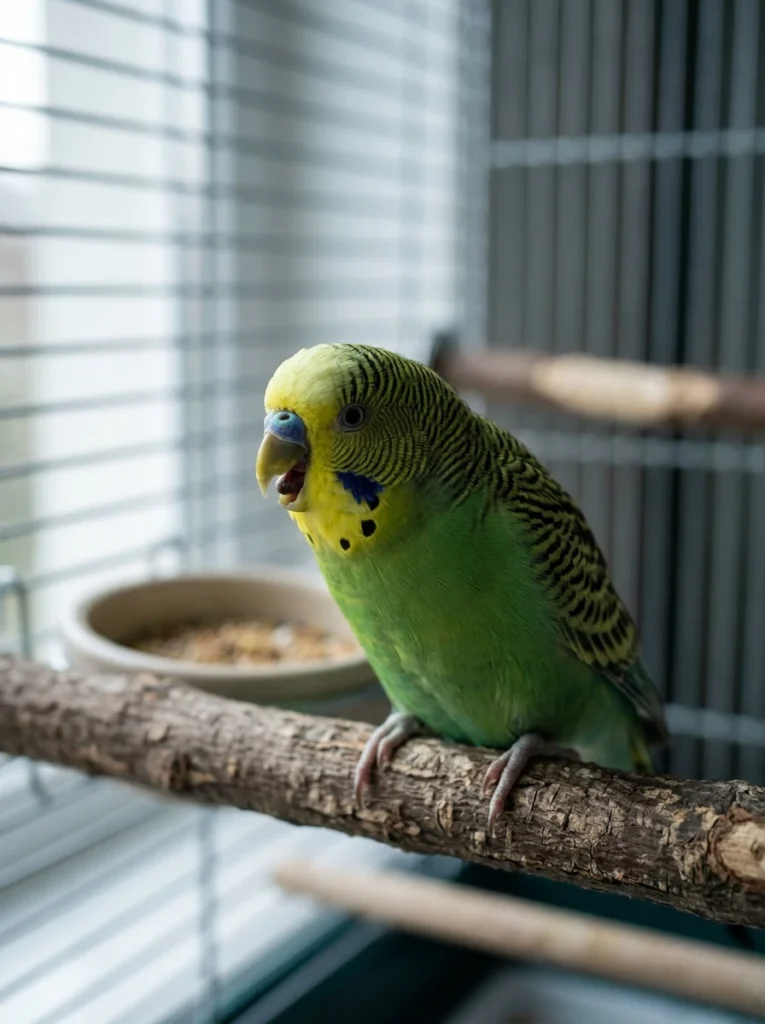
Healthy birds breathe through their nostrils. If your bird is breathing with its beak open and it hasn’t just been flying around or startled, that is a red flag.
Open-mouth breathing in a resting bird signals respiratory distress. It usually means the bird isn’t getting enough oxygen through normal breathing and is compensating.
Think of it this way: would you sit calmly at your desk breathing through your mouth? Probably not, unless something was blocking your nose or you were struggling to breathe.
Same logic applies here.
Tail Bobbing
This one surprises a lot of new bird owners. A bird that bobs its tail rhythmically with each breath is working extra hard to move air in and out.
Tail bobbing is a classic sign that breathing has become labored. The tail bob is actually the result of the bird using its entire body to help push air through a compromised respiratory system.
A little movement after vigorous activity is normal. Constant, rhythmic tail bobbing at rest is not.
Wheezing, Clicking, or Rattling Sounds
Healthy birds make all sorts of wonderful noises. Sick birds make different ones. If you hear:
- Wheezing or a high-pitched whistling sound during breathing
- Clicking or crackling noises with each breath
- A rattling sound from the chest or throat area
- A wet, gurgling quality to the breathing
…then you’re likely dealing with a respiratory issue. These sounds often indicate mucus, fluid, or inflammation in the airways.
Some people describe the sound as similar to a tiny person with a chest cold. Not exactly reassuring, but at least it helps you recognize it.
Subtler Signs That Often Get Missed
Nasal Discharge
Check your bird’s nostrils regularly. Healthy nostrils are clean, dry, and symmetrical. Any discharge coming from the nostrils is abnormal.
It might be clear, white, yellow, or even slightly crusty around the edges. You might also notice the feathers above the nostrils looking wet or matted.
Some people mistake this for normal grooming residue. It isn’t. If the nostrils look wet or you see any buildup around them, take note and monitor closely.
Changes in Voice or Vocalizations
Does your normally chatty parrot suddenly sound different? Has your bird gone unusually quiet? A change in voice quality or a noticeable reduction in vocalizations can point to respiratory illness.
Inflammation in the trachea or syrinx (the bird’s voice box) often changes the sound of their calls or makes vocalizing uncomfortable.
If your bird has stopped singing, talking, or even making its usual contact calls, that silence is worth paying attention to.
Sneezing More Than Usual
Birds do sneeze occasionally, and a single sneeze here and there is completely normal. But frequent, repeated sneezing is a symptom that warrants a closer look.
If you’re noticing your bird sneezing multiple times in a row or several times throughout the day, something is irritating or infecting the upper respiratory tract.
Just to be clear: one sneeze after a dusty treat? Probably nothing. Sneezing every 20 minutes all day? That’s a problem.
Behavioral Changes That Signal Something Is Wrong
Lethargy and Reduced Activity
A respiratory infection takes a serious toll on a bird’s energy levels.
A bird that sits low in the cage, shows little interest in its surroundings, or refuses to move to its favorite perch is telling you something is wrong. Birds are naturally curious and active.
A lethargic bird is a sick bird, full stop.
This is one of those signs that people often dismiss as “maybe they’re just tired.” Resist that temptation. Birds don’t really have lazy days the way people do.
Fluffed Feathers While at Rest
When birds fluff up their feathers, they trap warm air close to their body to conserve heat. It’s a comfort behavior.
But a bird that stays consistently puffed up, especially during the day when it should be alert and active, is likely trying to manage a fever or fight off infection.
A constantly fluffed bird that also shows any other symptoms on this list needs veterinary attention.
One sign in isolation might not mean much. Two or three together mean you need to pick up the phone.
Reduced Appetite and Weight Loss
Sick birds often stop eating. And because birds have fast metabolisms, they lose weight quickly when they stop taking in food.
Noticeable weight loss in a bird can happen within just a couple of days of illness. Get in the habit of weighing your bird regularly using a small digital kitchen scale.
Sudden weight loss of even a few grams is significant in a small bird.
If your bird is turning away from foods it normally loves, that’s a behavioral change worth acting on.
Common Causes of Respiratory Illness in Birds
Understanding what causes these infections helps you both prevent them and respond appropriately. The most common culprits include:
- Bacterial infections such as Chlamydiosis (psittacosis), which can also infect humans
- Fungal infections like Aspergillosis, often linked to moldy food, bedding, or damp environments
- Viral infections including Pacheco’s disease and Avian Influenza in certain species
- Parasitic infections such as air sac mites, which are particularly common in canaries and finches
- Environmental irritants including cigarette smoke, aerosol sprays, non-stick cookware fumes, scented candles, and air fresheners
Browse HEPA Air Purifiers For Bird-Safe Homes On Amazon
That last category often gets overlooked. Birds have incredibly sensitive respiratory systems. What barely registers to you as a mild scent can cause serious airway damage in your bird.
Non-stick pan fumes, in particular, can kill a bird in minutes. That’s not an exaggeration.
Shop Bird-Safe Bedding And Cage Liners On Amazon
When to Call the Vet Immediately
Some signs go beyond “monitor carefully” and straight into “get in the car right now.” Call your avian vet immediately if your bird shows any of the following:
- Open-mouth breathing that doesn’t stop
- Blue or discolored skin around the beak or feet (indicating oxygen deprivation)
- Complete loss of balance or falling off the perch
- Sudden unresponsiveness or extreme weakness
- Labored breathing that you can visibly see in the body movements
An avian vet is your best resource here. Not every general practice vet has deep experience with birds, so if possible, find someone who specializes in avian medicine.
Time matters enormously with respiratory illness in birds.
Get A Digital Bird Scale For Daily Weight Monitoring On Amazon
How to Support Your Bird While Awaiting Veterinary Care
You’ve spotted the warning signs and you’ve called the vet. While you wait for that appointment, there are a few things you can do to support your bird:
- Keep the environment warm. Sick birds struggle to regulate their body temperature. A temperature between 85 and 90 degrees Fahrenheit (around 29 to 32 Celsius) can help a seriously ill bird conserve energy.
- Minimize stress. Cover part of the cage, reduce noise, and limit handling.
- Ensure food and water are easily accessible. Place dishes at a lower perch if the bird is too weak to climb.
- Improve air quality. Move the bird away from any potential irritants, increase ventilation, and consider a HEPA air purifier.
- Do not attempt home remedies. Skip the herbal teas and DIY treatments. They can delay proper care and sometimes make things worse.
Find Bird Brooders And Reptile Heat Lamps On Amazon
Prevention: The Best Medicine, as Usual
Look, no one loves hearing “just prevent it” when they’re worried about a sick bird. But honestly, a lot of respiratory illness in pet birds is preventable with good husbandry habits.
Regular cleaning of the cage and accessories prevents bacterial and fungal growth. Fresh, uncontaminated food prevents mold exposure.
Keeping the bird’s environment free from smoke, fumes, and aerosols protects those delicate airways.
And annual wellness exams with an avian vet catch problems before they become emergencies.
Quarantining new birds before introducing them to existing pets is also non-negotiable if you have a multi-bird household.
Respiratory infections spread fast in close quarters, and introducing an infected bird to a healthy flock can go badly very quickly.
Shop Bird Cage Cleaners And Hygiene Supplies On Amazon
Final Thoughts
Here’s the bottom line: your bird cannot tell you when something hurts. It’s counting on you to notice.
The warning signs of respiratory illness in birds are there if you know what to look for, and now you do.
Open-mouth breathing, tail bobbing, unusual sounds, nasal discharge, voice changes, lethargy, fluffed feathers, and reduced appetite are all signals worth taking seriously.
Trust your gut. If something feels off about your bird, it probably is. A quick vet visit that turns out to be unnecessary is a much better outcome than waiting too long on something serious.
Your bird chose you as its caretaker. Returning that loyalty starts with paying attention.
What Are the First Signs of Respiratory Illness in Birds?
The earliest signs often include open-mouth breathing at rest, frequent sneezing, and a slight nasal discharge by the nostrils.
You might also notice your bird being quieter or making unusual sounds while breathing.
Since birds instinctively hide illness, these early signs need prompt attention.
Can a Bird Recover From a Respiratory Infection Without Vet Treatment?
In most cases, no. Respiratory infections in birds can spread quickly because of their unique air sac system. This system allows infections to move beyond the lungs fast.
Home remedies often do not treat the root cause and can delay proper care.
An avian vet can identify the specific pathogen and prescribe the right antibiotics, antifungals, or other targeted treatments.
How Do I Know if My Bird Has Aspergillosis or a Bacterial Infection?
You can’t reliably tell Aspergillosis from a bacterial infection just by symptoms. Both can show signs like labored breathing, lethargy, and nasal discharge.
To get an accurate diagnosis, you need veterinary tests like cultures, bloodwork, or imaging. Trying to treat at home without guidance can lead to the wrong treatment.
Are Respiratory Infections in Birds Contagious to Humans?
Some bird respiratory illnesses, like Chlamydiosis (psittacosis), are zoonotic. This means they can spread from birds to humans.
Symptoms in people may look like the flu or pneumonia. If your bird tests positive for psittacosis, tell your doctor.
Also, practice good hygiene when handling the bird. Follow your vet’s isolation advice closely.
What Household Items Can Cause Breathing Problems in Pet Birds?
Many common household items can harm birds’ respiratory systems.
These include fumes from non-stick cookware (PTFE/Teflon), scented candles, air fresheners, cigarette smoke, aerosol sprays, and some cleaning products.
Birds have very sensitive airways. They can suffer respiratory distress from fumes that humans hardly notice.
Always ventilate well and keep birds away from the kitchen when using non-stick pans.