Pet Bird Care Guide for First-Time Owners
You’ve decided to welcome a feathered roommate! This journey will be rewarding, a bit chaotic, and full of fun as a pet owner. Birds aren’t just pretty decorations in a cage.
They are smart, social, and need real care and commitment from you.
Before you set up the cage or choose a name, let’s go over what you need to keep your bird healthy, happy, and thriving.
This guide covers everything from picking the right bird to feeding, housing, and bonding with your new friend.
Choosing the Right Bird for Your Lifestyle
Not every bird suits every household, and this is where a lot of first-time owners go wrong.
You see a cockatoo at the pet store, fall in love with its dramatic crest, and suddenly you have a bird that screams at 7 AM and needs four hours of social interaction per day. Great plan.
Popular Beginner-Friendly Birds
Here is a quick breakdown of birds that tend to work well for first-time owners:
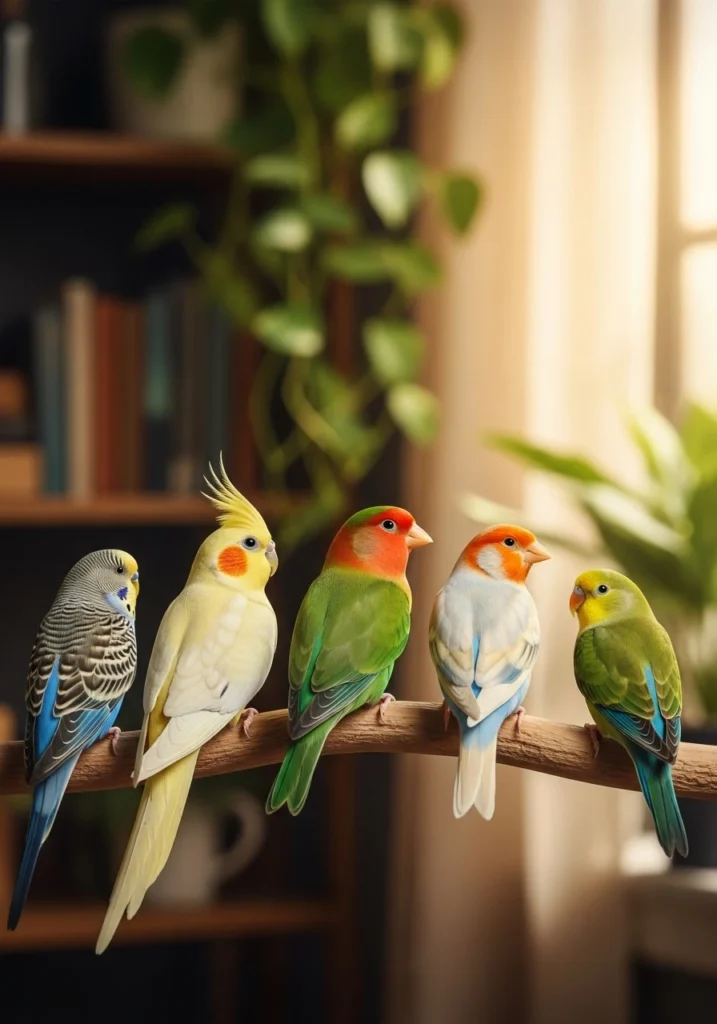
- Budgerigars (Budgies): Small, affordable, relatively low-maintenance, and full of personality. These little birds are perfect if you want a companion without feeling overwhelmed.
- Cockatiels: Friendly, gentle, and trainable. They bond well with humans and enjoy interaction without being overly demanding.
- Lovebirds: Feisty and affectionate. They do best in pairs, so keep that in mind before you commit to just one.
- Canaries: If you prefer a bird that sings beautifully and does not necessarily need to sit on your shoulder every day, a canary is your match.
- Parrotlets: Tiny but packed with attitude. They are great for small spaces and people who want a bird with a big personality in a compact package.
The rule of thumb here is simple: match the bird’s energy and social needs to your actual lifestyle, not your ideal lifestyle.
Setting Up the Perfect Bird Cage
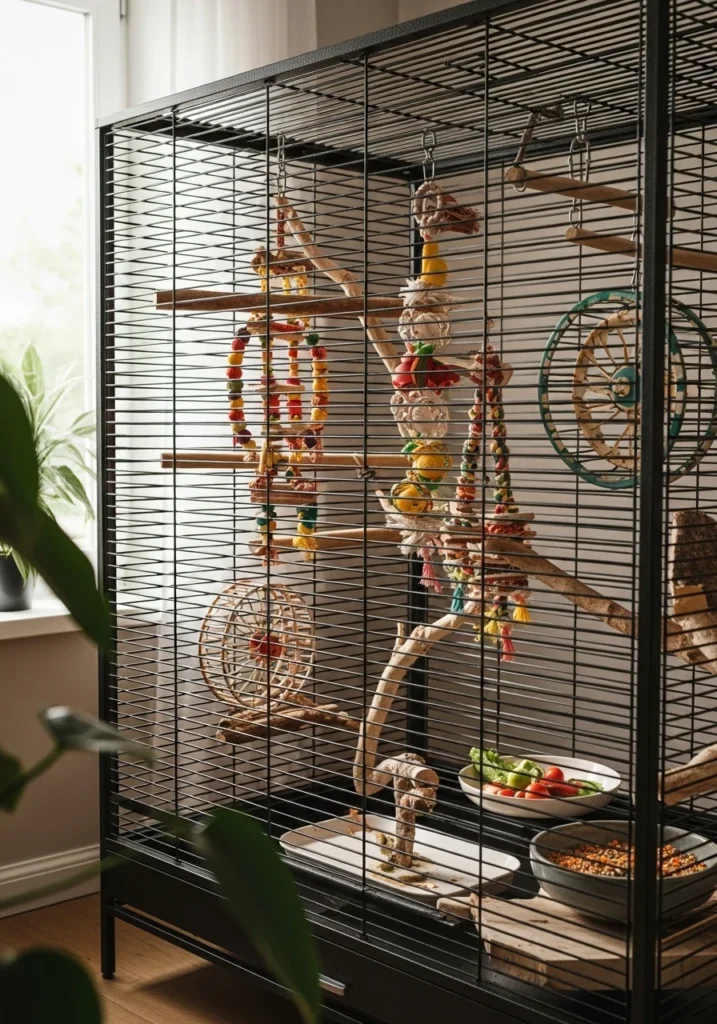
Think of the cage as your bird’s entire world when you are not around. Would you want to live in a tiny, bare room with nothing to do? Exactly. Your bird does not want that either.
Size Matters More Than You Think
Always buy the largest cage you can reasonably fit in your space. The bird needs room to stretch its wings, move around, and feel like it has territory.
A cage that is too small causes stress, feather plucking, and behavioral issues that you will spend months trying to fix.
General sizing guidelines:
- Small birds like budgies and cockatiels need a cage that is at least 18 x 18 x 24 inches.
- Medium birds like conures or lovebirds need 24 x 24 x 36 inches at a minimum.
- Larger parrots need significantly bigger setups, and if you are going that route, do a lot more research before committing.
Cage Placement and Setup
Where you put the cage matters just as much as the cage itself. Birds are social creatures and they want to be part of the action, not isolated in a back bedroom.
- Place the cage in a common living area where your family spends time.
- Avoid the kitchen. Non-stick cookware releases fumes that are toxic to birds, and cooking smells can be overwhelming or harmful.
- Keep the cage away from direct sunlight all day and drafty windows or vents.
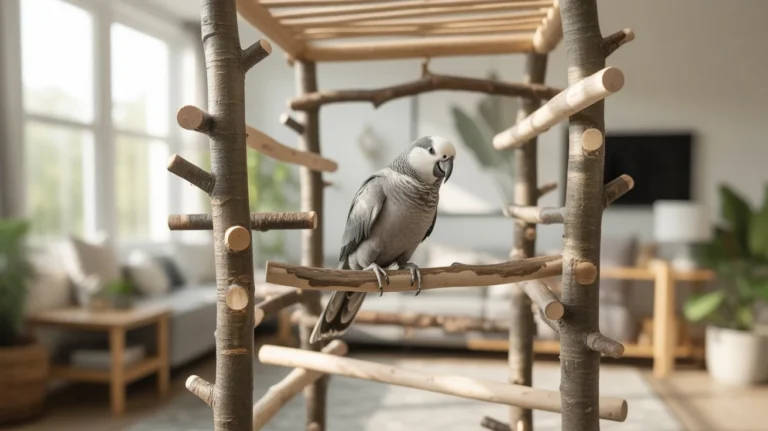
- Add multiple perches at different heights, a variety of safe toys, and foraging opportunities to keep your bird mentally stimulated.
What to Feed Your Pet Bird

Here is where a lot of owners make their biggest mistake: buying a bag of seeds and calling it a day. Seeds are to birds what chips are to humans. Tasty? Absolutely. A complete diet? Not even close.
A Balanced Bird Diet
A healthy bird diet consists of a mix of the following:
- High-quality pellets: Pellets should form the base of most pet birds’ diets, especially for parrots and cockatiels. They provide balanced nutrition that seeds simply cannot match.
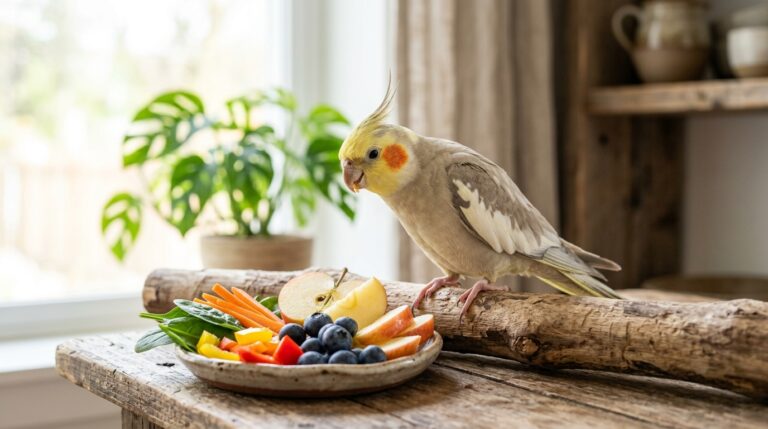
- Fresh vegetables: Leafy greens like kale, spinach, and romaine are excellent. Carrots, bell peppers, and broccoli are also big wins.
- Fresh fruits: Offer these in moderation because of the natural sugar content. Berries, melon, apple (without seeds), and mango work well.
- Seeds and nuts: These are great as occasional treats or training rewards, not as the main food source.
- Cooked grains and legumes: Brown rice, quinoa, and lentils are nutritious additions that many birds enjoy.
Foods to Avoid
Some foods are genuinely dangerous for birds and you need to memorize this list:
- Avocado (toxic and potentially fatal)
- Chocolate
- Onions and garlic
- Caffeine
- Apple seeds and cherry pits
- Alcohol (hopefully this one was already obvious)
- Salty or heavily processed human food
Fresh water should always be available and you should change it daily. A dirty water dish is a fast track to a sick bird.
Bird Health: Keeping Your Bird in Top Condition
Birds are masters at hiding illness. In the wild, showing weakness makes them a target for predators, so they instinctively mask signs of sickness until they can barely hide it anymore.
This means you need to pay close attention to subtle changes.
Signs of a Healthy Bird
- Bright, alert eyes with no discharge
- Smooth, well-groomed feathers that lay flat and look clean
- Regular eating and drinking habits
- Active and engaged behavior during waking hours
- Normal droppings (yes, you will become very familiar with bird droppings and their consistency)
Warning Signs That Need a Vet Visit
- Fluffed-up feathers combined with lethargy
- Loss of appetite for more than a day
- Discharge from the eyes or nostrils
- Changes in droppings that persist for more than 24 hours
- Tail bobbing while breathing
- Sitting at the bottom of the cage
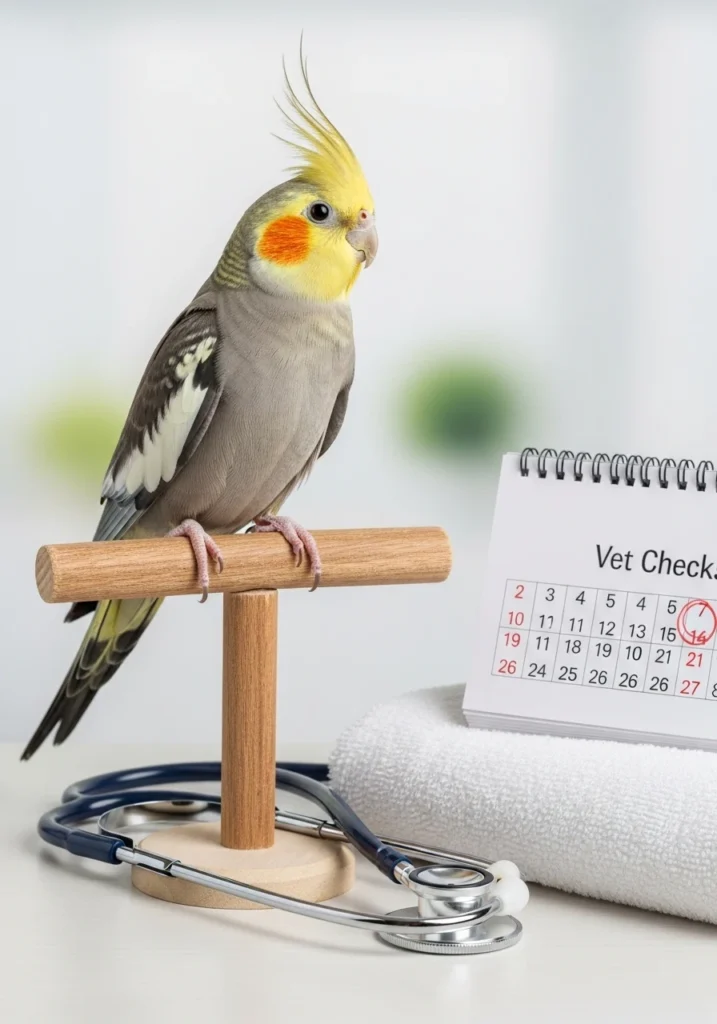
Find an avian vet before you actually need one. Not all vets treat birds, and scrambling to find a specialist when your bird is sick is stressful for everyone involved.
Socialization and Mental Stimulation
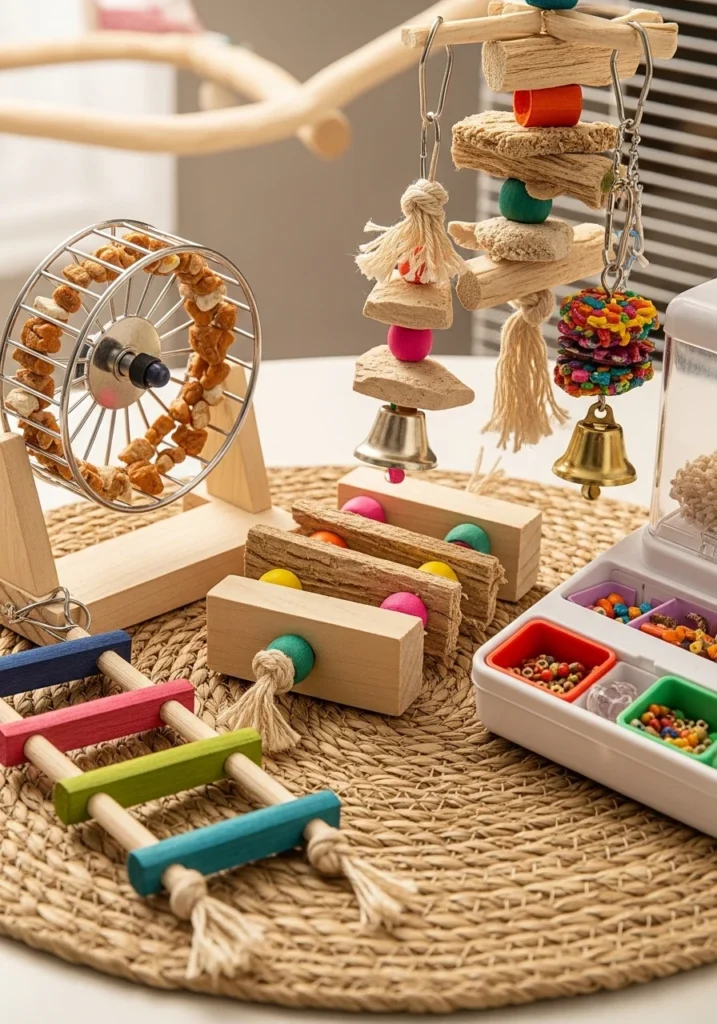
A bored bird is a destructive, noisy, and unhappy bird. And trust me, an unhappy bird will make sure you are unhappy too.
How to Bond With Your Bird
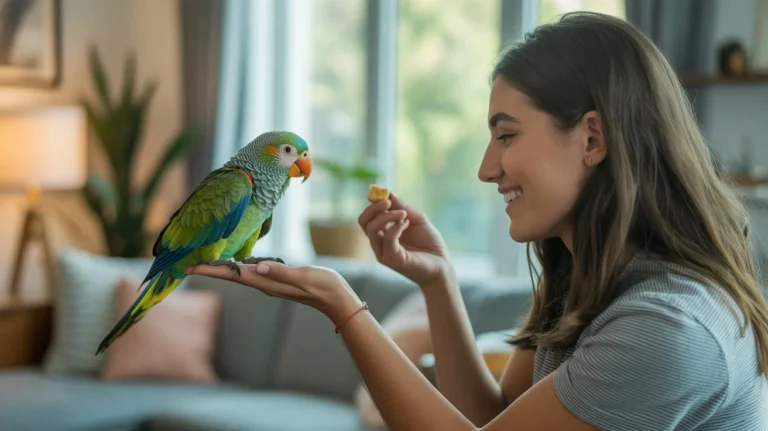
Building trust with a new bird takes patience. You cannot rush it, and trying to force interaction early on will set you back significantly.
- Start by simply sitting near the cage and talking calmly. Let the bird get used to your presence and voice.
- Offer treats through the cage bars to create a positive association with you.
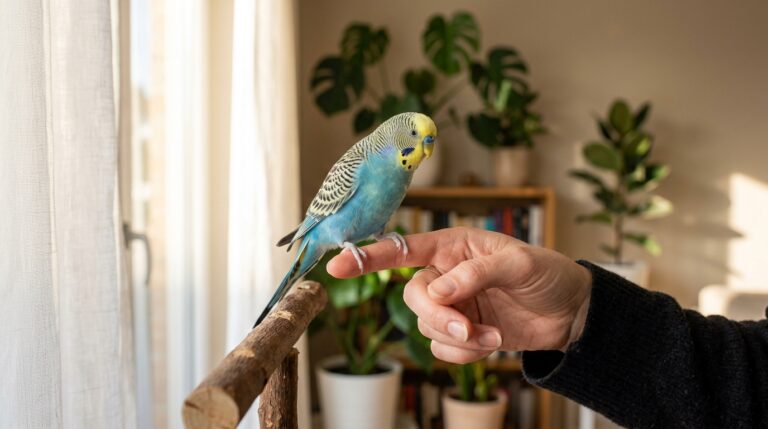
- Open the cage door gradually and let the bird come to you on its own terms.
- Respect the bird’s mood. If it backs away or seems tense, give it space. Birds have feelings about this sort of thing.
Toys and Enrichment
Mental stimulation is not optional for birds. Without it, parrots and other intelligent birds develop behavioral problems like feather plucking, excessive screaming, or aggression.
Rotate toys regularly so the bird does not lose interest. Good enrichment options include:
- Foraging toys where the bird has to work to find food
- Chewable wooden toys for birds that love to destroy things (most of them)
- Puzzle feeders that challenge problem-solving instincts
- Mirrors for single birds (though some species prefer a real companion over a reflection)
Grooming Basics Every Bird Owner Should Know
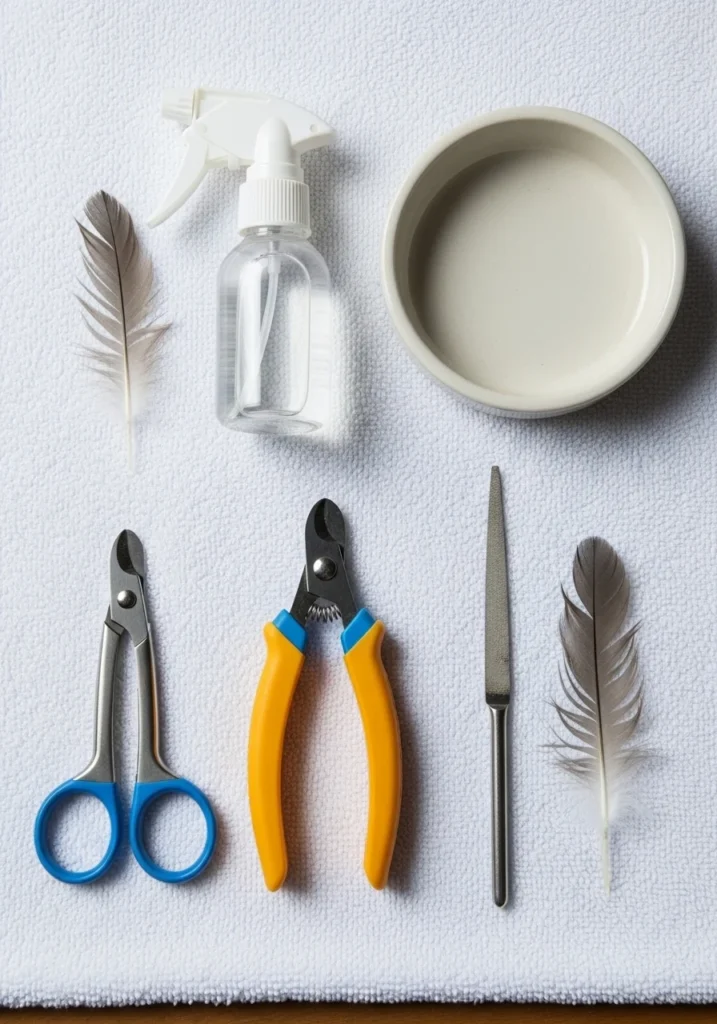
You do not need to become a professional bird groomer, but a few basic grooming tasks fall squarely on your shoulders.
Nail Trimming
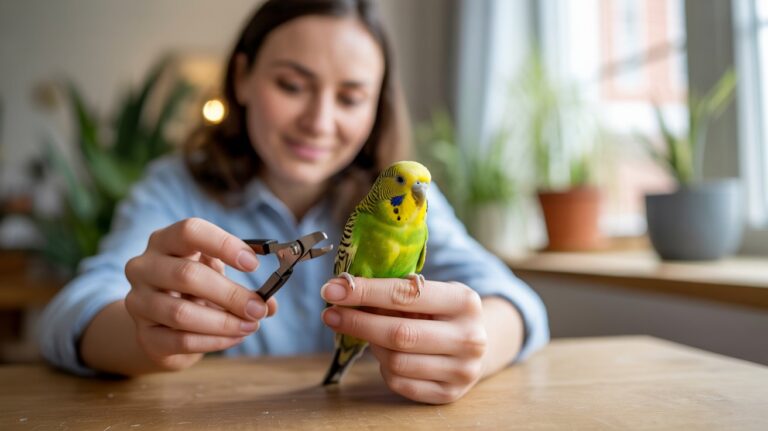
Overgrown nails make it hard for birds to grip perches properly and can lead to injuries.
Use proper bird nail clippers and trim just the tip, avoiding the quick (the blood vessel inside the nail). If you are nervous about this, ask your vet to show you the technique on your first visit.
Wing Clipping
Wing clipping is a personal decision that sparks a lot of debate among bird owners.
Clipped wings reduce the bird’s ability to fly at full speed, which can make handling safer and reduce the risk of escape or injury in the home.
Some owners prefer to keep wings fully intact for the bird’s physical and psychological wellbeing. Talk to your vet about what makes sense for your specific situation.
Bathing
Most birds love a good misting or a shallow bath. Offer a shallow dish of lukewarm water a few times a week or mist the bird lightly with a spray bottle.
Never use cold water, and make sure the bird can dry off in a warm area afterward.
Final Thoughts on Caring for Your First Pet Bird
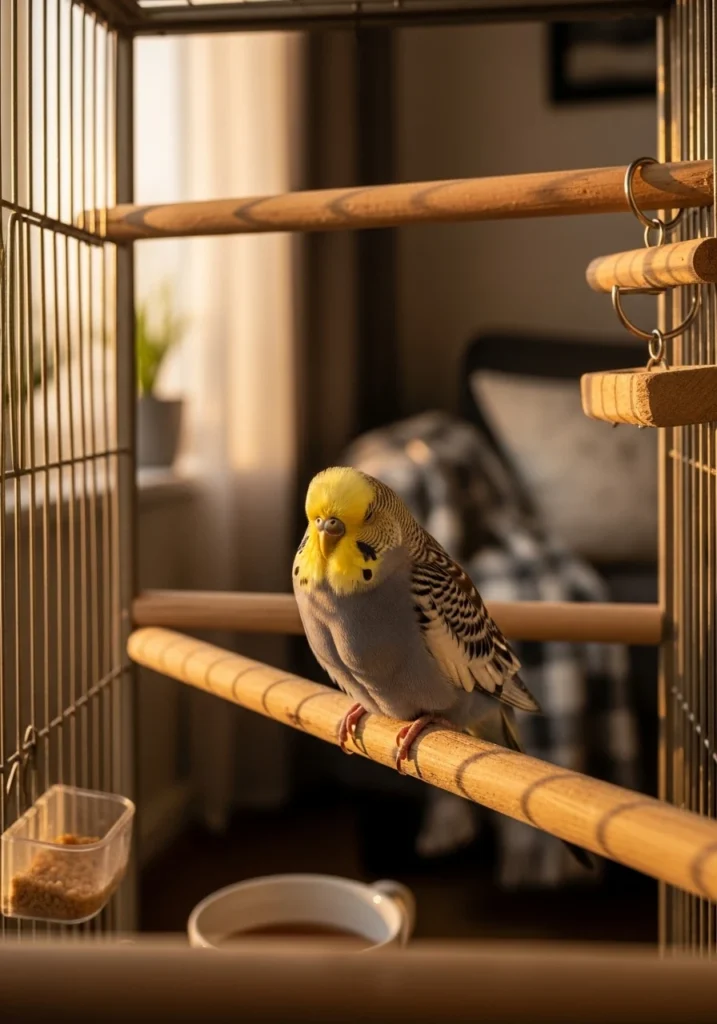
Owning a pet bird is genuinely one of the most rewarding experiences you can have, but it requires more than a cage, some seeds, and good intentions.
These animals need proper nutrition, a stimulating environment, regular vet care, and consistent social interaction to truly thrive.
The good news? Once you get into a rhythm, bird care becomes second nature. You will learn your bird’s personality, quirks, and favorite snacks faster than you expect.
And the day your bird voluntarily climbs onto your hand for the first time? That moment makes every bit of effort worth it.
Start on the right foot, do the research, ask questions, and give your bird the life it deserves. You already are doing better than most by reading this far, so that is genuinely a good sign.
What Is the Best Pet Bird for a First-Time Owner?
The best pet birds for first-time owners are budgerigars, cockatiels, and canaries. Budgies are cheap, easy to care for, and full of personality. This makes them the top choice for most beginners.
Cockatiels are a bit larger, gentle, and easy to train, so they come in a close second. Canaries are great if you want a bird that sings and doesn’t need constant attention.
Your choice should depend on how much time and social interaction you can give your bird each day.
How Much Does It Cost to Own a Pet Bird?
The cost of owning a pet bird varies by species. A budgie costs about $15 to $40. In contrast, a cockatiel usually costs between $80 and $250. Many first-time owners overlook ongoing costs.
You’ll need to budget for a good cage, pellets, fresh food, toys, perches, and regular vet visits.
First-year costs, including setup, can range from $300 to over $1,000. This depends on the bird species and the quality of care you provide.
How Often Should You Clean a Pet Bird’s Cage?
Spot-clean your bird’s cage every day. Remove droppings, change the soiled liner, and refresh food and water dishes. Do a deeper clean of the whole cage at least once a week.
This includes perches, toys, and cage bars, using a bird-safe disinfectant. A dirty cage exposes your bird to harmful bacteria and respiratory problems.
Keeping the cage clean supports your bird’s long-term health, not just its appearance.
How Do You Tame a Pet Bird That Is Scared of People?
Taming a scared bird takes patience, consistency, and no pressure. Start by sitting quietly near the cage each day. This helps the bird get used to you without feeling scared.
Speak softly and offer treats through the bars. This builds a positive link with your hand. Once the bird takes treats easily, slowly put your hand inside the cage.
Don’t force interaction. Most birds respond to this gradual method in a few weeks. However, some may take longer based on their past and personality.
What Are the Most Common Health Problems in Pet Birds?
The most common health problems in pet birds are respiratory infections, feather plucking, nutritional deficiencies, and psittacosis (a bacterial infection that can affect humans).
Obesity is also a concern for birds on seed-heavy diets. Many of these issues are preventable with a balanced diet, a clean living space, regular vet checkups, and enough mental stimulation.
Birds often hide illness, so notice any sudden changes in behavior, appetite, or droppings. If you see these signs, consult an avian vet right away.