Best Cat Calming Diffusers and Feliway Alternatives
Your cat bolts under the bed every time the vacuum comes out, and now you wonder if a diffuser could make your home feel friendlier. I wondered the same thing, so I went down a rabbit hole of plug-ins, refills and very confident product pages. Here is what I wish someone had told me first.
This guide walks you through the best cat calming diffusers and Feliway alternatives in plain language. You will learn how these diffusers work, what to check before you buy, and how to set one up so it earns its spot in your outlet. I promise no miracles, just practical advice from one cat person to another.
What a Cat Calming Diffuser Actually Does
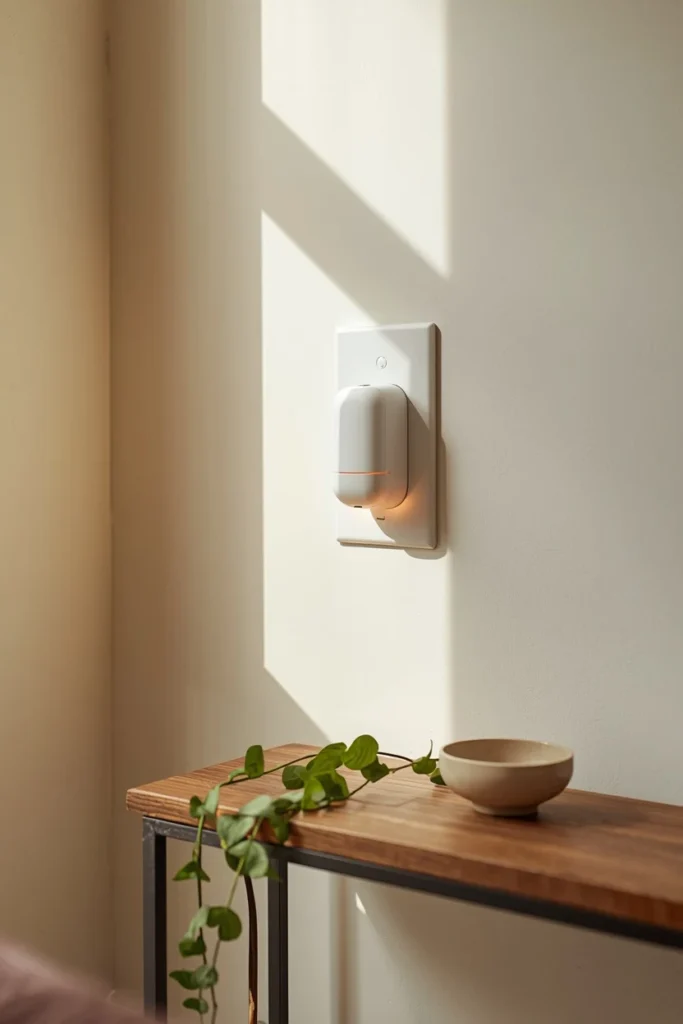
A calming diffuser plugs into a wall outlet and gently warms a refill that releases a scent into the room. Manufacturers aim for a familiar scent that they hope will help a cat feel settled at home. I think of it as a nightlight for the nose: it will not fix everything, but it can make a space feel more predictable.
Notice that I said “aim.” Results vary from cat to cat, and some cats barely notice a diffuser at all. That is normal, and it does not mean you did anything wrong.
Ever wondered why so many owners keep trying them? A diffuser asks very little of you. You plug it in, you leave it alone, and you watch how your cat acts over the following weeks.
Feliway and Its Alternatives: What Is the Difference?
Feliway is the brand name many owners type into the search bar first. Alternatives exist for people who want a different scent, a different refill price or a different format. Each brand words its labels differently, so I read every one closely instead of trusting the front of the box.
When I compare a Feliway alternative with anything else on the shelf, I ask three questions:
- What does the label say about cats? I want a product that names cats clearly, not a general room freshener.
- How much will refills cost over time? The starter kit price tells only half the story.
- What do owners with similar cats say? A shy rescue and a bold young cat can react very differently to the same diffuser.
Those three questions cut through most of the marketing noise. They also keep you from buying the prettiest box on the shelf, which I have done more than once.
What to Look for Before You Buy

Cat-Specific Labeling
Cats process scents differently than people do, so I skip general home fragrance diffusers completely. Many essential oils do not suit cats, which means a pleasant candle-shop smell can be a poor choice for your home. I only buy diffusers that name cats on the label, and I ask my vet if I feel unsure about a product.
Room Coverage
Check the label for the size of room the diffuser covers. A single small plug-in in a large open living space may do very little. If your home has an open layout, think about where your cat actually spends time and plan around that spot.
Refill Cost and Run Time
Refills keep costing you long after the first purchase. Look at how long one refill lasts and what a replacement costs before you commit. A cheap starter kit with pricey refills adds up quickly, and your wallet will notice.
Scent and Noise
Cats have sensitive noses, so a diffuser with a strong, sharp smell can backfire. Some units also hum or glow, which can bother a light sleeper in a quiet bedroom. I pick a low-odor, low-light model whenever I can.
Types of Calming Diffusers Worth Considering
Plug-In Diffusers
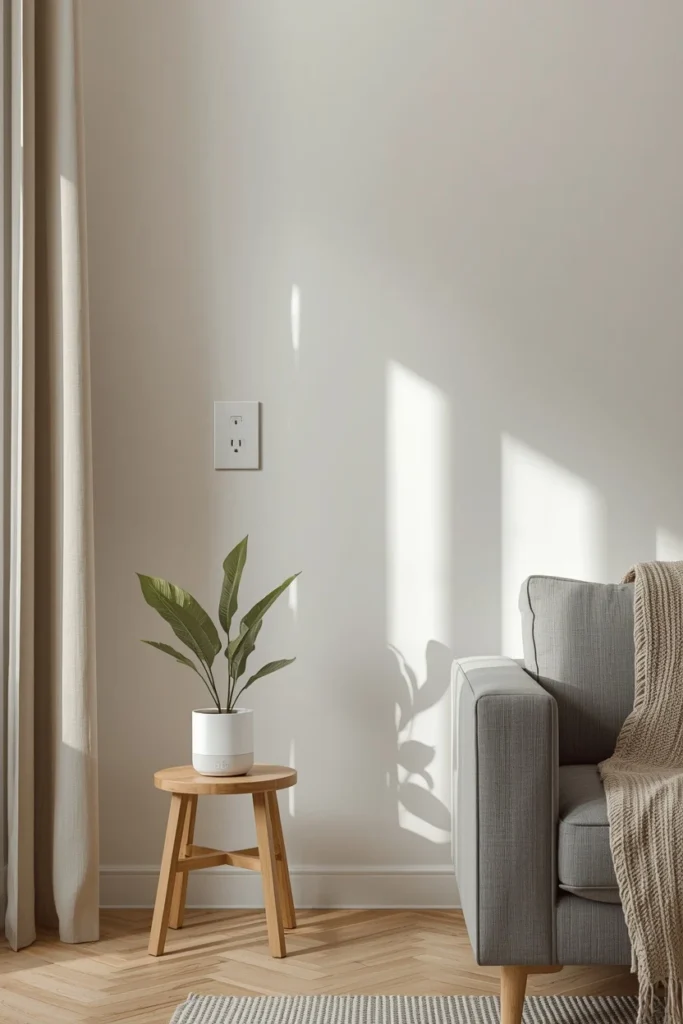
This is the classic format. You plug it in, wait for it to warm up, and the refill does the rest. Many owners start here because the setup is quick and needs no tools.
Starter Kits With Extra Refills
Some kits bundle the diffuser with an extra refill or two. I like these when I want to test a new product without shopping for refills right away. Just check that the bundled refills match the diffuser, because mixing and matching rarely works.
Diffusers for Multi-Cat Homes
Several cats usually means several favorite rooms. Many households with more than one cat place a diffuser in each main living area instead of relying on a single unit. That approach keeps the scent present wherever your cats hang out.
How to Set Up Your Diffuser
Setting up a diffuser takes a few minutes, but placement matters more than most people expect. Follow these four steps and you will give the diffuser a fair chance:
- Pick the room your cat uses the most. Think of the living room, a sunny bedroom or the spot where your cat naps every afternoon.
- Choose an outlet with open airflow. Behind a couch or a heavy curtain, the scent has nowhere to go.
- Keep it away from food, water and the litter box. Cats like their eating and bathroom spaces to stay separate from strong scents.
- Watch and take notes. Jot down how your cat acts over the following weeks so you can judge honestly whether the diffuser helps.
Do you really need notes? I say yes. Memory is a terrible judge, and a short log keeps you from crediting the diffuser for a good week that had nothing to do with it.
Pair Your Diffuser With Comfort Basics
A diffuser works best as one piece of a bigger comfort plan. I never expect a plug-in to do all the work while the rest of the house stays chaotic. Your cat needs a few simple things in place first:
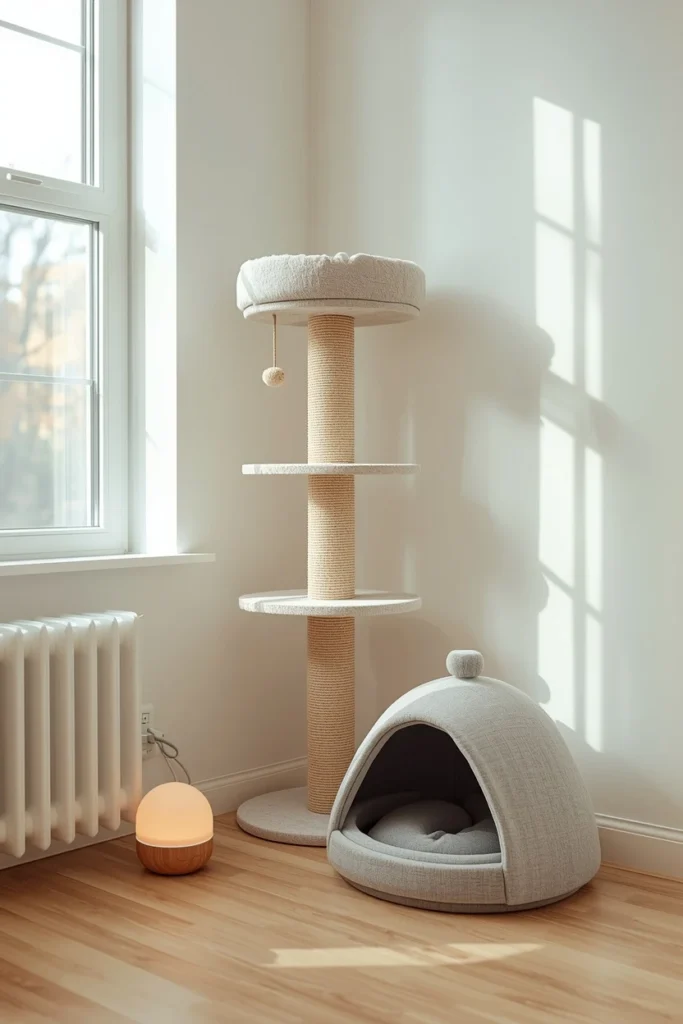
- Hiding spots: a covered bed, a box or a quiet closet corner gives your cat a safe retreat.
- High perches: a shelf or a sturdy cat tree lets your cat watch the room from above.
- A steady routine: regular meals and play sessions help your home feel predictable.
- A quiet resting corner: a soft bed away from foot traffic gives your cat a place to recharge.
Put a diffuser near one of these spots and you create a little cat retreat that your cat can choose to visit. I find that cats use these spaces more when I leave them alone and let them come and go.
Find Cozy Cat Hideaways and Beds
Common Mistakes to Avoid
I have made all three of these mistakes, so learn from my embarrassment. Each one is easy to fix once you spot it.
Judging It Too Fast
A cat does not read the box, so it will not change its habits the minute you plug the diffuser in. I used to give up after a few days and blame the product. Now I give any diffuser a fair stretch of time before I decide, and I compare my notes with how things looked before.
Changing Everything at Once
Have you ever rearranged the furniture, switched the cat food and bought a diffuser in the same week? I have, and I learned nothing from it. Change one thing at a time so you can tell what actually made a difference.
Forgetting the Refill
A diffuser with an empty refill is just a small plastic nightlight. Mark the date you plug in a new refill on your calendar so you know when to swap it. A steady scent beats an on-again, off-again one, and your cat will appreciate the consistency.
When a Diffuser Is Not Enough
A diffuser cannot replace a conversation with your vet. If your cat hides all day, stops eating, changes litter box habits or acts very differently than usual, call your vet. Sudden changes in behavior can have many causes, and a professional can sort them out far better than a plug-in can.
Think of the diffuser as a small helper, not a treatment. It belongs next to good routines, safe spaces and regular check-ups. I never use one as a reason to skip a vet visit.
Final Thoughts
The best cat calming diffusers come down to a few simple choices. Pick a product that names cats on the label, check the refill cost, match the coverage to your space and place it where your cat actually lives. Then pair it with hiding spots, perches and a steady routine.
Whether you choose Feliway or one of its alternatives, give the diffuser time and keep honest notes. Your cat will let you know what works, usually by ignoring you politely or by napping somewhere new. Go ahead and take the first step, and your cat might just thank you with a very smug nap.
Do Cat Calming Diffusers Really Work?
Results vary from cat to cat, so no honest article can promise a specific outcome. Some owners notice their cats seem more settled at home, while others see no change at all. I suggest treating a diffuser as one small part of a comfort routine that also includes hiding spots, perches and steady daily habits. If your cat’s behavior worries you, check with your vet.
What Is a Good Alternative to Feliway?
A good alternative names cats clearly on the label and comes from a brand you can research easily. Compare refill cost, room coverage and what other owners with similar cats say about the product. Because each brand words its claims differently, read the label closely and avoid general home fragrance diffusers that do not mention cats.
Where Should I Place a Cat Calming Diffuser?
Place it in the room where your cat spends the most time, in an outlet with open airflow. Avoid spots behind furniture or heavy curtains, because the scent needs space to spread. Keep it away from food bowls, water bowls and the litter box, since cats like those areas to stay separate from strong scents. In a larger home, many owners use one diffuser in each main living area.
Are Calming Diffusers Safe for Cats and Other Pets?
Choose a diffuser that names cats on its label and follow the instructions on the packaging. Many essential oils do not suit cats, so skip general home fragrance diffusers and oil-based room scents. If you share your home with other animals such as birds, fish or small pets, ask your vet before you plug in any new diffuser. Your vet knows your pets and can answer questions about your specific household.
How Long Should I Wait Before Deciding If a Diffuser Helps?
Give the diffuser a fair stretch of time, because cats do not change their habits the moment you plug something in. Keep a short log of how your cat acts so you can compare before and after with honest notes. Change only one thing at a time, which means you should avoid switching food or rearranging furniture in the same week. If you see sudden changes in appetite, litter box habits or hiding, contact your vet instead of waiting.