Best Cat Tunnel Toys for Play and Hideouts
Ever bought your cat an expensive toy, only to watch them climb into the box it arrived in? I have, and it still stings a little. A tunnel gives that box obsession a proper upgrade, because it crinkles, bounces and hides your cat all at once.
This guide covers the best cat tunnel toys for play and hideouts, from crinkly collapsible styles to sturdy cardboard and soft fabric options. You will learn what to look for, how to match a tunnel to your cat’s personality and how to set it up so your cat actually uses it. Consider this your shortcut past the guesswork.
Why Cats Love Tunnels
Cats love tight, enclosed spaces, and a tunnel scratches that itch perfectly. Inside, your cat feels covered on every side, which many cats find calming. At the same time, the open ends give a clear view of the room, so your cat can watch and plan the next move.
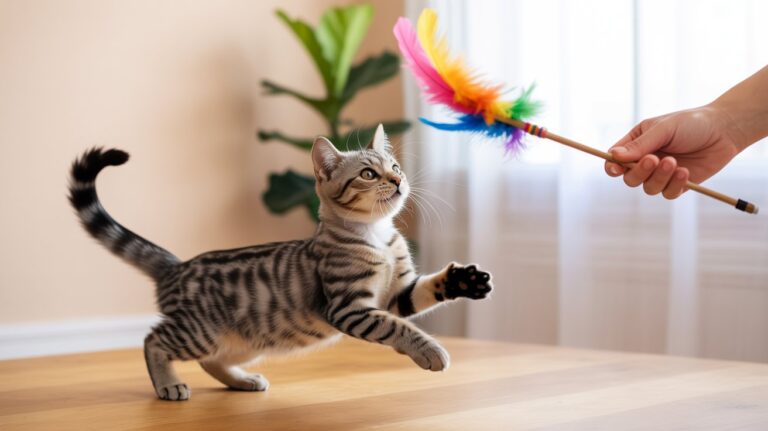
A tunnel also turns solo play into a hunting game. Your cat can crouch inside, wait for a passing ankle or a feather wand, and burst out at full speed. That mix of hiding and pouncing mirrors natural hunting behavior, and it keeps playtime interesting.
Here is the part I appreciate most: a tunnel works for energetic cats and shy ones alike. Playful cats treat it like a racetrack. Nervous cats treat it like a safe room they can retreat to whenever the living room gets loud.
Types of Cat Tunnel Toys
Not every tunnel suits every cat, so let me break down the main styles you will find in the pet aisle. Each style has its own strengths, and I will tell you where each one falls short.
Collapsible Crinkle Tunnels
These are the classic. The crinkly lining makes noise every time your cat moves, and many cats find that sound irresistible. They fold flat in seconds, so you can tuck them away when guests visit.
Many versions have a peek hole in the side, and some come with a dangling ball at the opening. I like the peek hole because it lets you play with your cat from outside the tunnel. The downside is that thin versions can flatten when a heavy cat jumps on top.
Cardboard and Scratch Tunnels
Cardboard tunnels combine two favorite activities in one: hiding and scratching. Your cat can claw the walls while racing through, which gives them an alternative to your sofa. They also look more natural in a home than bright nylon.
The trade-off is lifespan. Cardboard wears down faster than fabric, and it does not like spills. Think of it as a toy you replace when it gets tired.
Soft Fabric and Felt Tunnels
Fabric and felt tunnels feel cozy and quiet. They suit cats who dislike loud crinkle noise or who want a napping spot as much as a play spot. Felt styles often look stylish enough to leave out in the living room.
Quiet comes with a catch. Without the crinkle, some playful cats lose interest quickly, so you may need to add a toy to keep the action going.
Tunnels With Extra Features
Some tunnels branch into multiple openings, link together or include hanging toys and peek windows. Multi-opening designs work well when you share your home with more than one cat. Each cat gets an escape route, which often cuts down on standoffs.
What to Look for Before You Buy
A tunnel looks simple, but small details decide whether your cat loves it or ignores it. Here is what I check before I choose one.
- Diameter: Pick a width your cat can enter comfortably and turn around in. Larger or heavier cats need roomier tunnels, while kittens do fine with smaller ones.
- Sturdy structure: Look for a frame or spring wire that holds the shape. A tunnel that collapses mid-pounce teaches your cat to avoid it.
- Material: Choose pet-safe fabrics and stitching that can handle claws.
- Noise level: Crinkle suits playful cats, while quiet fabric suits shy ones.
- Easy cleaning: Check the care label, and favor materials that you can wipe down.
- Portability: Folding styles store flat and travel well.
Pay attention to the openings too. Wide openings invite curious cats, while narrow ones suit cats who like to feel snug. Peek holes add fun, though they can snag a claw on cheaper designs.
Matching a Tunnel to Your Cat
For Energetic Cats
Go for a sturdy crinkle tunnel with a dangling toy. Your cat will sprint through it, so a stable shape matters more than looks. Longer tunnels give extra running room.
For Shy or Nervous Cats
Choose a soft, quiet tunnel with a closed end or a snug dome shape. Place it in a calm corner, and let your cat decide when to explore. Never pull a hiding cat out.
If your cat hides far more than usual, check with your vet, because a change in behavior can have many causes. A tunnel is a comfort, not a cure for anything.
For Kittens and Seniors
Kittens will test every seam, so pick something durable with no loose parts. Senior cats often prefer low, wide entrances that need no jumping or squeezing. Comfort matters more than speed for them.
For Multi-Cat Homes
Tunnels with multiple exits or linked sections help keep the peace. Each cat can choose an escape route, so nobody gets cornered. Two separate tunnels also help if your cats guard their favorite spots.
Browse Soft Fabric Cat Tunnels
How to Introduce a Tunnel
Patience beats force every time. Set the tunnel in a room your cat already loves, and leave it alone for a while. Let your cat sniff, bump and investigate in their own time.
Then add a lure. Drop a few treats near the entrance and inside, or rub a little catnip on the outside if your cat enjoys it. Reward every brave step with praise.
Resist the urge to shove your cat inside. That is the fastest way to turn a great toy into a scary object. Your cat will come around when the tunnel feels like their own idea.
Play Ideas That Make a Tunnel Worth the Floor Space
Once your cat trusts the tunnel, try these games.
- Wand chase: Wiggle a feather wand at one opening and let your cat chase it through.
- Treat hunt: Hide a few treats at different spots inside and let your cat sniff them out.
- Pounce and peek: Tap gently on the peek hole and watch your cat ambush your fingers.
- Ball roll: Roll a lightweight ball through the tunnel and let your cat give chase.
Keep sessions short and stop while your cat still wants more. That keeps the tunnel exciting. Rotate it with other toys so it never turns into furniture.
Shop Interactive Cat Wand Toys
Safety and Care
Inspect your tunnel regularly for loose threads, torn fabric or bent wire. Replace it when anything looks damaged, because loose bits can catch claws or tempt a chewer. Always supervise a kitten or a cat who likes to chew toys.
Follow the care label to keep the tunnel clean. Wipe cardboard lightly and avoid soaking it. A fresh tunnel often smells more inviting to a cat.
Place the tunnel away from busy walkways and cold drafts, ideally near the spot where your family hangs out. Cats like to hide, but they also like to keep an eye on you. A tunnel in the right place gives them both.
Common Mistakes to Avoid
Buying the wrong size tops the list. A tunnel that is too tight frustrates a bigger cat, and one that is too loose can feel exposed to a shy cat. Measure your cat’s width at the shoulders and compare it to the product details.
Another mistake is leaving the tunnel in a dark, quiet room your cat never visits. Cats use toys where life happens. Put it in the living room or near a sunny window, and watch how fast it becomes part of the routine.
Finally, do not give up after one ignored day. Many cats need time to decide a new object is safe. Add a treat or a toy, move the tunnel to a better spot, and try again.
Final Thoughts
A good tunnel gives your cat a place to play, a place to hide and a reason to ignore the sofa for a few minutes. Match the style to your cat’s personality, pick a sturdy build, and introduce it slowly. That is really all it takes.
Your cat may still prefer the cardboard box on the first day. Let them have it, and slide the tunnel next to it. Sooner or later, they will pick the better hideout and act like it was their idea all along.
What Is the Best Cat Tunnel for a Shy Cat?
A soft, quiet fabric or felt tunnel usually suits a shy cat best. Crinkle lining can startle a nervous cat, so a calm material gives them more confidence to explore. Place it in a quiet corner and let your cat approach in their own time.
Do Cats Really Use Tunnel Toys?
Many cats take to tunnels quickly because they love enclosed spaces and hunting games. Some cats need a little time to trust a new object, especially if it makes noise. Adding a treat or a wand toy near the opening often helps a hesitant cat investigate.
How Do I Get My Cat to Use a Tunnel?
Start by placing the tunnel in a room your cat already enjoys and leave it alone for a while. Drop a few treats near the entrance and inside to build a positive link. Never push your cat in, because that can make the tunnel feel like a threat instead of a fun hideout.
Are Cardboard Cat Tunnels Worth Buying?
Cardboard tunnels give your cat a place to hide and scratch at the same time. They wear down faster than fabric and do not handle spills well, so expect to replace them sooner. Many owners like them because they look natural in a home and give cats a scratching alternative to furniture.
How Often Should I Clean a Cat Tunnel?
Clean a cat tunnel whenever it looks dirty or starts to smell stale. Follow the care label on the product, and wipe cardboard lightly instead of soaking it. Regular checks also let you spot loose threads or damage so you can replace the tunnel before it becomes a problem.