Why Pellets Matter in Your African Grey’s Diet
If you have an African Grey, you know these birds demand excellence. They are smart and opinionated, always aware when you cut corners.
So, you can’t just guess when it comes to their diet. Pellets are key to a healthy African Grey’s meals. Choosing the right ones affects how your bird looks, feels, and acts.
This guide shows what to seek in quality pellets, which brands are reliable, and how to switch without making mealtime a battle. Let’s dive in.
Why Pellets Matter More Than You Think
A lot of parrot owners still rely heavily on seed mixes. And honestly, seeds look appealing, they are convenient, and parrots go absolutely crazy for them.
But here is the problem: seeds are high in fat and dangerously low in the vitamins and minerals African Greys need, especially calcium and Vitamin A.
African Greys are particularly prone to hypocalcemia, a condition where blood calcium drops to concerning levels. This can cause seizures, feather issues, and general poor health.
A well-formulated pellet addresses this directly by delivering balanced nutrition in every bite, without relying on your bird to eat a variety of seeds to get what they need.
Think of pellets as the sensible foundation and fresh foods as the exciting additions on top.
Shop Highly Rated African Grey Pellets On Amazon
What Makes a Good African Grey Pellet?
Not all pellets are created equal. Walk down the pet store aisle and you will find a dizzying number of bags all claiming to be “complete” and “natural.”
Here is what actually separates a quality pellet from a bag of expensive dust.
Ingredient Quality
The first ingredient should be a whole grain or a named protein source, not “grain by-products” or vague fillers.
Whole grains like corn, wheat, and oat groats are perfectly fine as base ingredients. What you want to avoid is the word “by-product” anywhere near the top of the list.
You also want to check for:
- No artificial colors — African Greys do not need rainbow-colored pellets. Those dyes exist to appeal to you, not your bird, and some may be harmful over time.
- No artificial preservatives like ethoxyquin or BHA.
- Added vitamins and minerals, especially Vitamin A, D3, and calcium.
- No added sugar or salt — neither has any business being in a parrot pellet.
Appropriate Size
African Greys have medium-to-large beaks and they like to grip and bite their food. A pellet that is too small becomes frustrating and wasteful.
A pellet that is too large takes forever to eat and often gets tossed around the cage like a toy. Look for pellets sized specifically for medium to large parrots, usually around 1 to 2 cm in length.
Formulation for Life Stage
If you have a young African Grey, a pellet formulated for growing or juvenile birds will support proper feather and bone development.
Adult birds do well on standard maintenance formulas. Older birds or those with specific health issues sometimes benefit from specialized formulas, which we will touch on later.
The Best Pellet Brands for African Grey Parrots
Here is where the real conversation starts. These are the brands that avian vets recommend most consistently and that parrot owners, myself included, have trusted for years.
Harrison’s Bird Foods
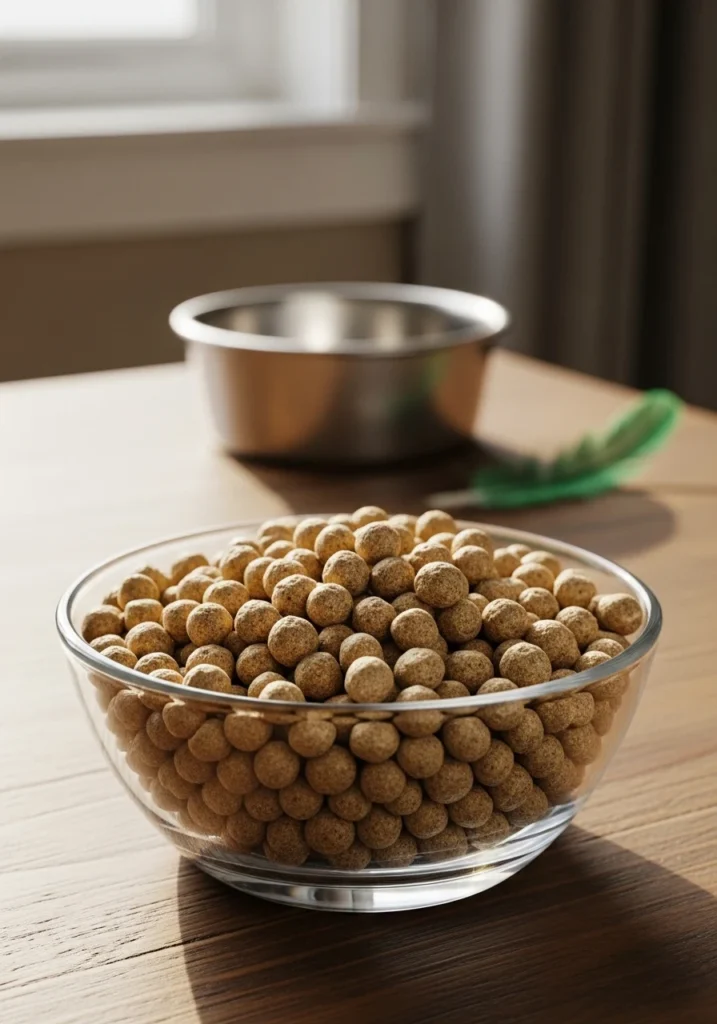
Harrison’s is the gold standard in avian nutrition, and you will hear that from virtually every avian vet worth their salt.
Harrison’s pellets are certified organic, non-GMO, and formulated with input from avian veterinarians.
For African Greys specifically, the High Potency Coarse formula is the go-to starting point, especially for birds transitioning off seeds or recovering from illness.
Once your bird is stable and eating well, you can transition to the Adult Lifetime Coarse formula for everyday maintenance.
Key features of Harrison’s:
- Certified organic ingredients
- No artificial additives whatsoever
- Vet-developed formulas
- Available in coarse, medium, and fine sizes
- High Potency formula supports recovery and transition periods
The only downside? Harrison’s pellets are not cheap. But when you consider the vet bills you avoid by keeping your bird properly nourished, it is genuinely a worthwhile investment.
Browse Harrison’s Bird Foods On Amazon
Roudybush Daily Maintenance
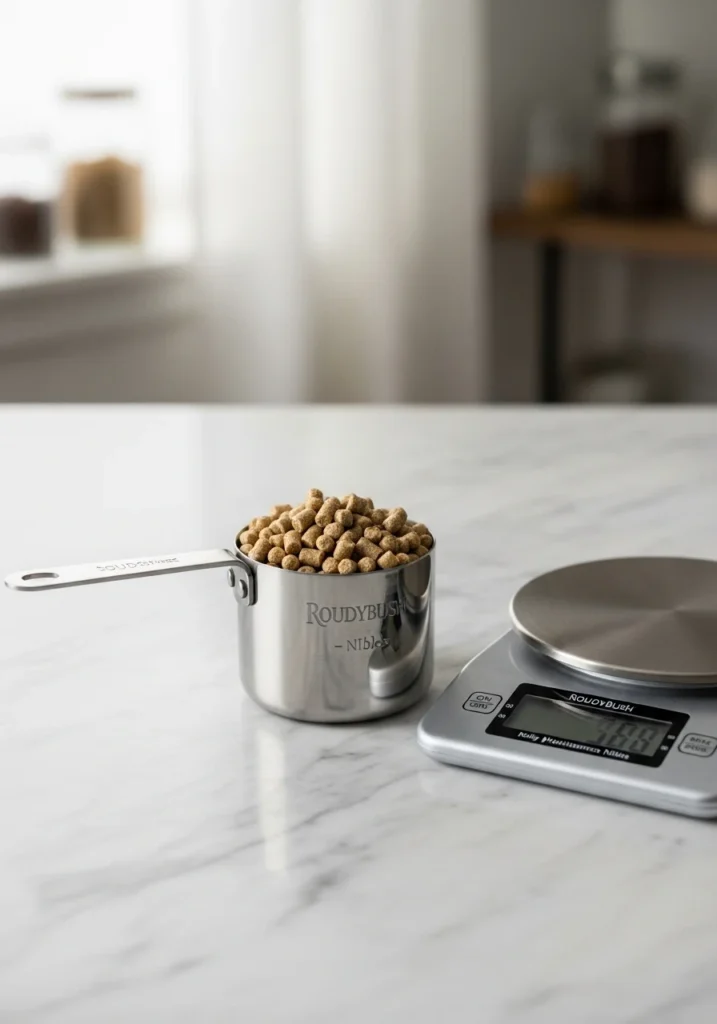
Roudybush is another name avian vets cite regularly. These pellets were developed by nutritionist Tom Roudybush after years of research at UC Davis, which gives them serious credibility.
The Daily Maintenance formula in the Nibles size works well for African Greys. These pellets are:
- Free from artificial colors and flavors
- Nutritionally balanced for long-term feeding
- Available in several textures including crumbles and pellets
- Quite palatable, meaning most birds accept them without a dramatic protest
Check Out Roudybush Pellets On Amazon
Some African Greys take to Roudybush more readily than Harrison’s, possibly because the texture is slightly different.
If your bird has been refusing Harrison’s during the transition process, Roudybush is a solid alternative to try.
Zupreem Natural Pellets
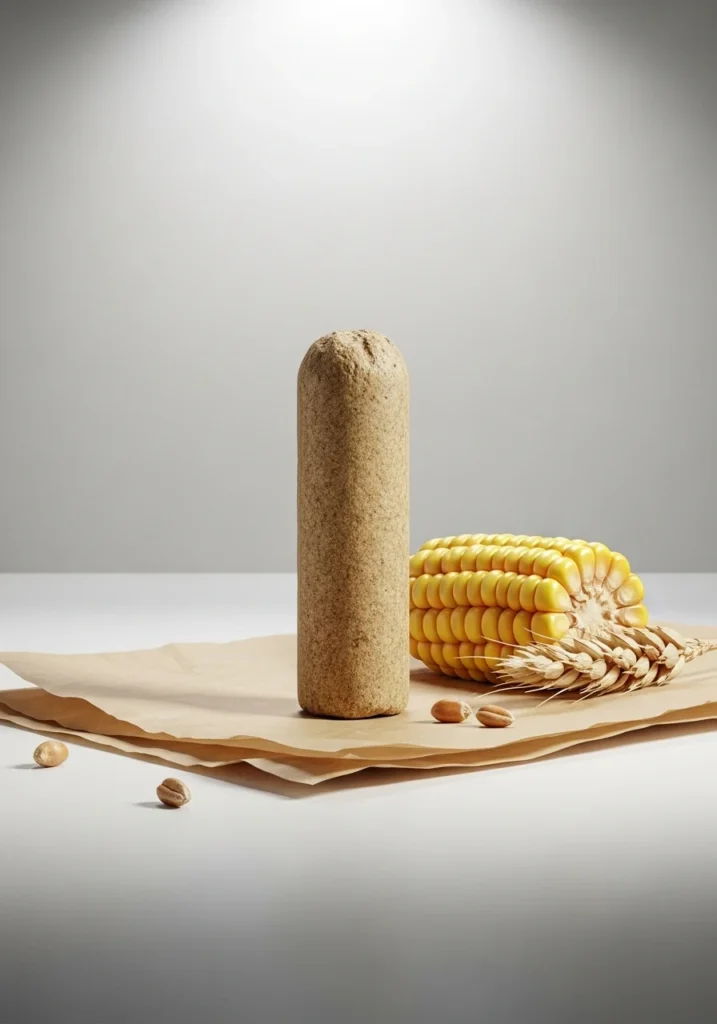
Zupreem offers a few different product lines, and it is worth being specific here. The Zupreem Natural line is the one you want for an African Grey.
Skip the FruitBlend or VegiBlend varieties if artificial colors concern you, because those contain dyes that serve no nutritional purpose.
Zupreem Natural pellets are:
- Made with whole grains and natural flavoring
- Free from artificial preservatives
- Available in a medium size suitable for African Greys
- More affordable than Harrison’s or Roudybush
They are a good entry-level option, especially if you are just beginning the transition from seeds to pellets and need something your bird might accept more easily.
Many owners use Zupreem Natural as a stepping stone before moving to Harrison’s or Roudybush.
Lafeber Nutriberries
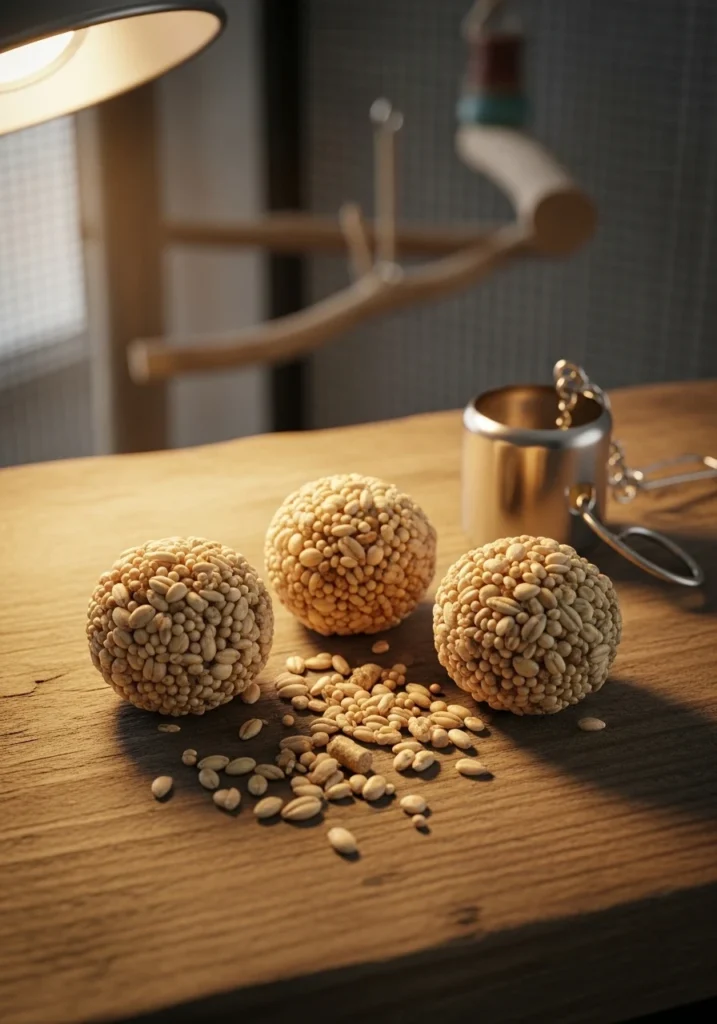
Okay, technically Nutriberries are not a standard pellet. But they deserve a mention here because they occupy a very useful middle ground.
Lafeber Nutriberries are whole-food, nutritionally balanced clusters made from grains, seeds, and other ingredients that are cold-pressed together without baking out the nutrients.
African Greys love them. And because they look and feel more like foraging food than a hard pellet, they are a brilliant tool for transitioning seed-heavy birds toward a more balanced diet.
Use Nutriberries:
- As a transition food between seeds and standard pellets
- As enrichment food mixed into foraging toys
- As an occasional supplement alongside your main pellet brand
They should not be the only thing your African Grey eats, but as part of a varied diet, they are excellent.
Find Lafeber Nutriberries On Amazon
How to Transition Your African Grey to Pellets
Here is the part nobody warns you about: African Greys can be incredibly stubborn about food changes.
Some birds will look at a new pellet, look at you, and then look back at the pellet with unmistakable contempt. It is a whole thing.
The key is patience and a gradual approach.
The Slow Mix Method
Start by mixing about 20% pellets into your bird’s current seed or food mix. Over several weeks, slowly increase the pellet ratio while decreasing the seeds.
The goal is to reach roughly 60 to 70% pellets in the diet, with the remainder made up of fresh vegetables, fruits, and occasional seeds as treats.
Do not rush this process. Switching too fast can cause your bird stress and may lead to them refusing food altogether, which is dangerous.
The Fresh Food Bridge
Some African Greys accept pellets more readily when you serve them alongside favorite fresh foods.
Try placing pellets directly on top of a piece of sweet potato or leafy greens. Your bird may pick at both out of curiosity.
Another trick: lightly warm the pellets to release their aroma. Many birds respond positively to the scent and become more willing to try something new.
What to Watch For
During the transition, monitor your bird’s weight. A healthy African Grey should not lose significant weight during a diet change.
If you notice your bird seems lethargic, loses weight rapidly, or stops eating altogether, slow down the transition and consult your avian vet.
How Many Pellets Should You Feed Daily?
For an adult African Grey, a general guideline is about 1/4 to 1/3 cup of pellets per day as the dietary base. This varies depending on your bird’s size, activity level, and what else they are eating.
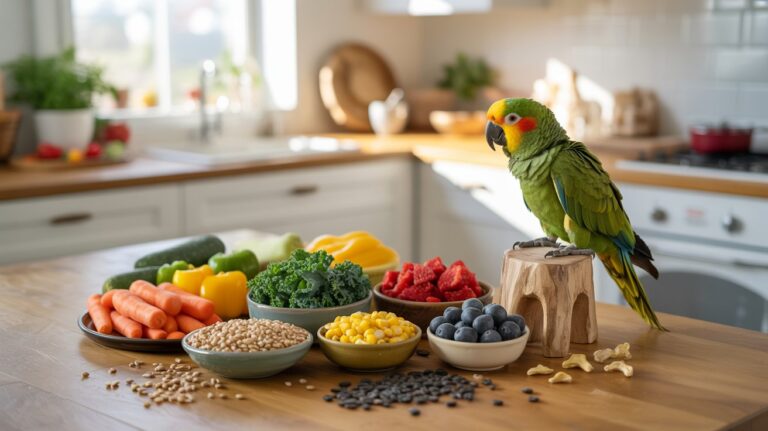
Fresh vegetables, fruits, and cooked whole grains should round out the diet. Think of the plate roughly like this:
- 60 to 70% high-quality pellets
- 20 to 30% fresh vegetables, cooked grains, and legumes
- 5 to 10% fruits and healthy treats
- Minimal seeds, reserved as occasional rewards
African Greys that eat a well-balanced diet like this tend to have brighter feathers, more energy, and a noticeably better mood. Which, if you have lived with a grumpy Grey, you know is worth every effort.
A Quick Word on Supplements
If your African Grey eats a quality, vet-formulated pellet as the core of their diet, you likely do not need additional vitamin supplements.
Over-supplementing, especially with fat-soluble vitamins like A, D, and E, can actually cause toxicity over time.
The exception is if your vet identifies a specific deficiency or health condition that requires targeted supplementation.
Always follow veterinary guidance here rather than adding supplements based on guesswork.
Final Thoughts
Feeding your African Grey well is one of the most direct ways to show them you take their health seriously.
These birds live for decades, and the dietary habits you establish early have long-term consequences.
Harrison’s High Potency Coarse remains the top recommendation for most African Greys, with Roudybush Daily Maintenance as a close second and Zupreem Natural as a more budget-friendly alternative.
Use Lafeber Nutriberries as a transition aid or enrichment treat, and always pair pellets with fresh, whole foods for a complete diet.
Your African Grey did not choose to live in your house. The least you can do is make sure they eat well while they are there.
Shop Top-Rated Parrot Pellets On Amazon
How Many Pellets Should I Feed My African Grey Parrot Per Day?
An adult African Grey typically needs 1/4 to 1/3 cup of pellets daily. This should be 60 to 70 percent of their total diet.
The rest should come from fresh vegetables, cooked grains, and occasional fruits. Adjust portions based on your bird’s size, weight, and activity level.
If you’re unsure, consult your avian vet for guidance.
Are Pellets Better Than Seeds for African Grey Parrots?
Yes, pellets are much better than seeds for African Grey parrots. Seeds are high in fat and lack essential vitamins and minerals, especially calcium and Vitamin A.
African Greys often suffer from hypocalcemia, a serious calcium deficiency. Quality pellets help reduce that risk.
Seeds can be occasional treats, but they shouldn’t be the main part of your bird’s diet.
What Is the Best Pellet Brand for African Grey Parrots?
Harrison’s Bird Foods High Potency Coarse is the top choice for African Grey parrots. It’s certified organic, has no artificial additives, and was made with help from avian vets.
Roudybush Daily Maintenance is a solid second choice, while Zupreem Natural is a more budget-friendly option.
The best brand for your bird depends on their preferences and any health needs your vet identifies.
How Do I Transition My African Grey Parrot From Seeds to Pellets?
The safest way to switch your African Grey from seeds to pellets is with a gradual mix. Start by adding about 20 percent pellets to the current seed mix.
Then, slowly increase the pellet amount over several weeks until they are the main diet. Warming the pellets a bit can help release their smell.
You can also place them next to your bird’s favorite fresh foods to encourage tasting. Never rush this process, and keep an eye on your bird’s weight to ensure they are eating enough.
Do African Grey Parrots Need Vitamin Supplements If They Eat Pellets?
If your African Grey eats a vet-formulated pellet as their main diet, extra vitamin supplements are usually unnecessary.
Too many fat-soluble vitamins like A, D, and E can cause toxicity over time. Many owners don’t realize this risk.
The main exception is if an avian vet finds a specific deficiency or health issue that needs targeted supplements.
Always get a professional recommendation before adding any supplements to your bird’s diet.