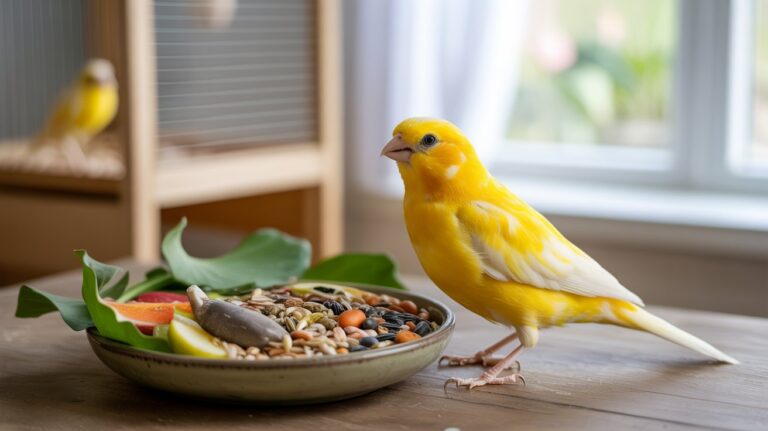
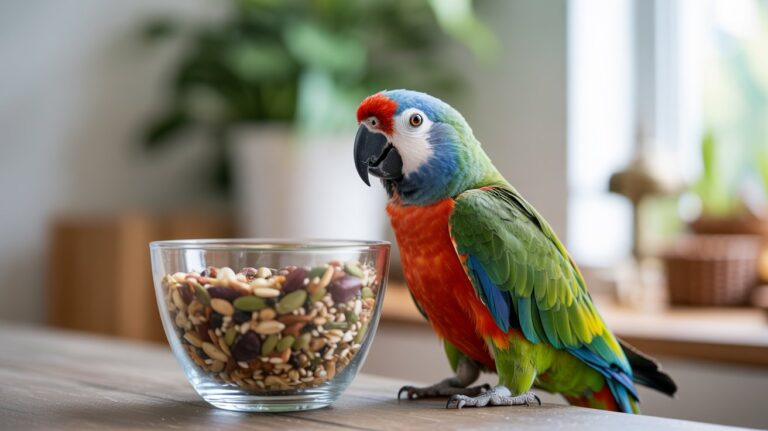
Healthy Training Treats Your Small Bird Will Love
You’ve decided to train your small bird. Now, you’re at the pet store, staring at the treat aisle. Which colorful packages are worth your money and your bird’s health? I’ve been there.
Training a small bird is rewarding, but you need the right treats. The wrong ones can make your feathered friend picky and sugar-addicted.
They might only step up for a candy-coated seed stick.
The good news? Finding healthy training treats for your small bird isn’t hard. Whether you have a budgie, parrotlet, lovebird, cockatiel, or linnie, this guide helps you choose treats that reward well without harm.
Why the Right Training Treat Actually Matters
You might think a treat is just a treat. Your bird seems excited, it performs the trick, everyone wins. But here is the thing: small birds have tiny bodies, and what goes into those bodies matters enormously.
A budgie weighs about 30 to 40 grams. That is roughly the weight of a few coins. Even a small amount of a sugary or fatty treat hits their system proportionally much harder than it would a larger parrot.
Treats used in training sessions should tick these boxes:
- Small enough to eat in one or two seconds so training momentum stays high
- Nutritious enough that frequent repetition does not throw off their daily diet
- Palatable enough that your bird actually works for them
- Free from artificial colors, preservatives, and added sugars
When your bird eats a treat fast and wants more, that is your training flow staying intact. When your bird spends three minutes gnawing on a chunk of dried papaya, your training session has effectively stalled.
Size and speed matter just as much as nutrition.
The Best Healthy Training Treats for Small Birds
Fresh Fruits and Vegetables
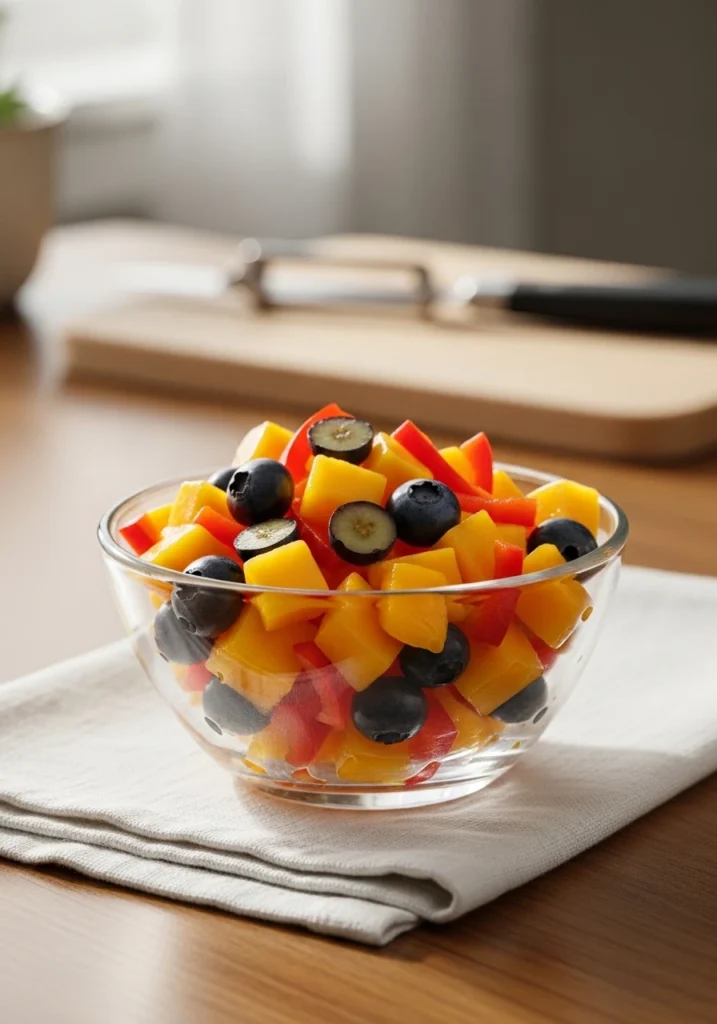
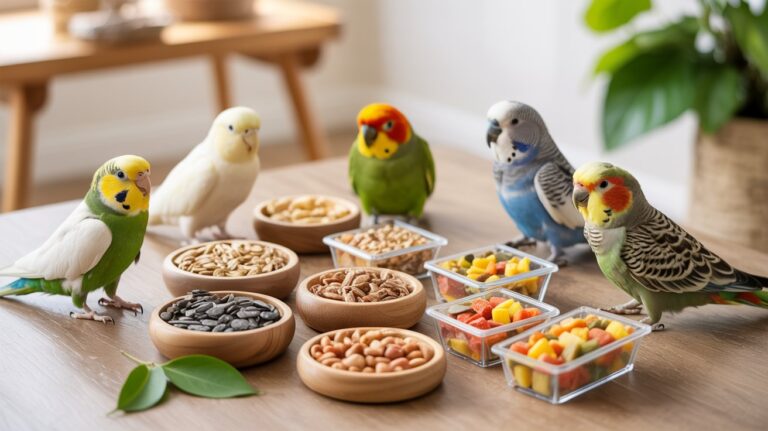
Fresh produce is honestly one of the best training treat categories you can use. It is whole food, it is nutrient-dense, and you probably already have some of it in your kitchen.
The trick is cutting it into tiny, bird-appropriate portions before the session starts.
Best fresh fruit options for training:
- Mango (small soft cubes) — naturally sweet and most small birds go absolutely wild for it
- Apple (skin removed, tiny pieces) — crunchy and motivating without too much sugar
- Blueberries (halved for very small birds) — antioxidant-rich and a crowd-pleaser
- Pomegranate arils — messy but loved by most small parrots
- Papaya (soft, fresh pieces) — great for digestion and highly palatable
Best vegetable options:
- Leafy greens (kale, spinach, cilantro torn into tiny bits) — nutrient powerhouses
- Carrot shavings — crunchy and interesting for birds who like texture
- Bell pepper slivers (any color) — high in vitamin C and most birds enjoy the sweetness
- Snap pea pieces — satisfying to crunch and full of fiber
One thing to keep in mind: always avoid avocado, onion, garlic, and fruit pits. These are genuinely toxic to birds, not just mildly bad news.
Shop Fresh Bird-Safe Produce Mixes On Amazon
Sprouts
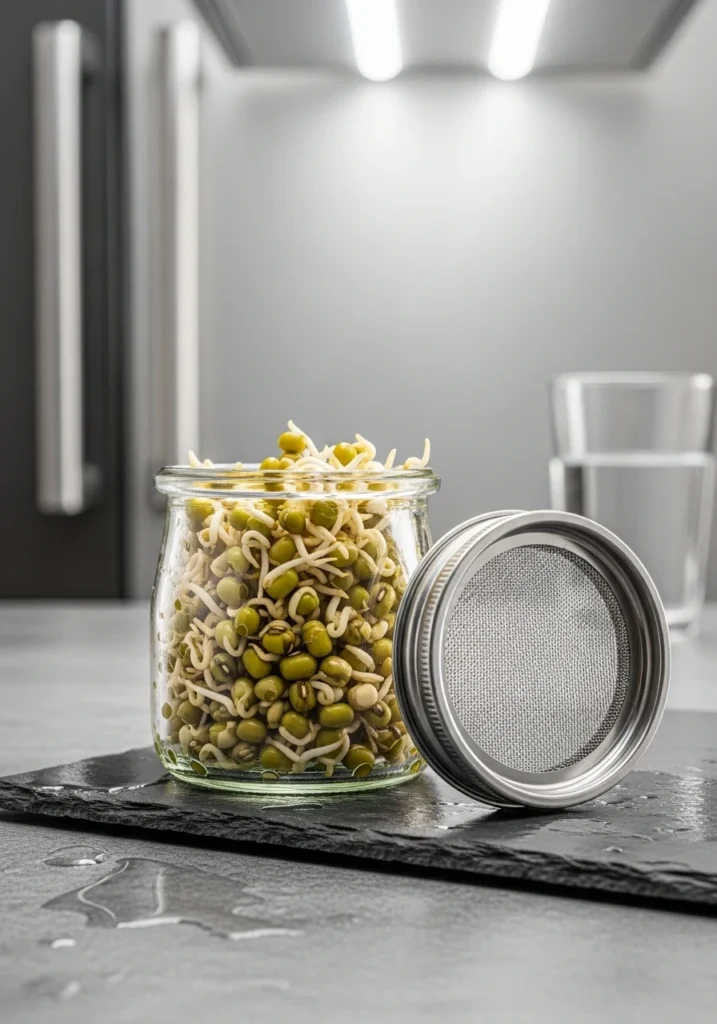
Sprouts deserve their own special mention because they are genuinely one of the most nutritious things you can offer a small bird. When seeds or legumes sprout, their nutritional profile transforms.
The fat content drops, the enzyme activity increases, and the digestibility improves significantly.
Good sprouting seeds for training treats:
- Mung beans
- Lentils
- Quinoa
- Sunflower seeds (in small amounts)
- Broccoli seeds
You can buy ready-made sprout mixes from bird specialty stores, or you can sprout your own at home with a basic sprouting jar.
Rinse them thoroughly before offering. Fresh sprouts keep in the fridge for a few days, which makes them a convenient training treat you can prep in advance.
Browse Bird Sprouting Seed Mixes On Amazon
Cooked Grains and Legumes
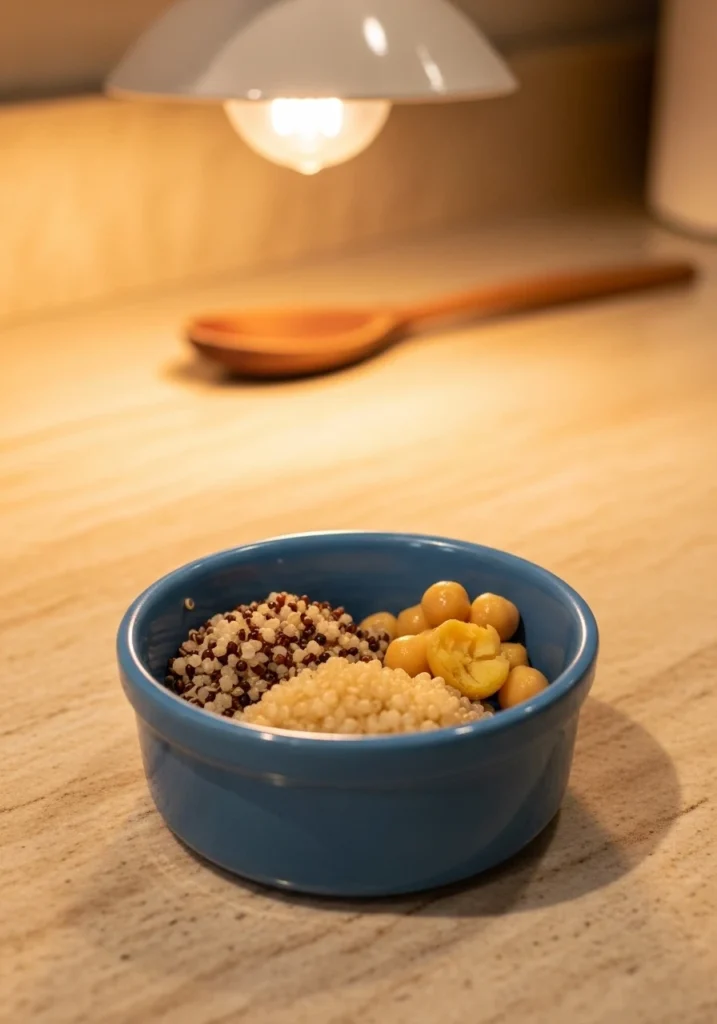
Cooked whole grains and legumes work beautifully as training treats for small birds, especially during longer sessions where you need something slightly more filling but still healthy.
They are easy to portion, they hold their shape, and birds tend to find them novel and exciting.
Great options include:
- Cooked brown rice (tiny portions, no salt or butter)
- Cooked quinoa — an excellent complete protein source
- Cooked lentils — soft and easy to eat quickly
- Cooked chickpeas (smashed slightly for small birds)
The key here is plain preparation. No salt, no oil, no seasonings. You are making bird food, not a dinner party dish.
Nutriberries and Pellet Pieces
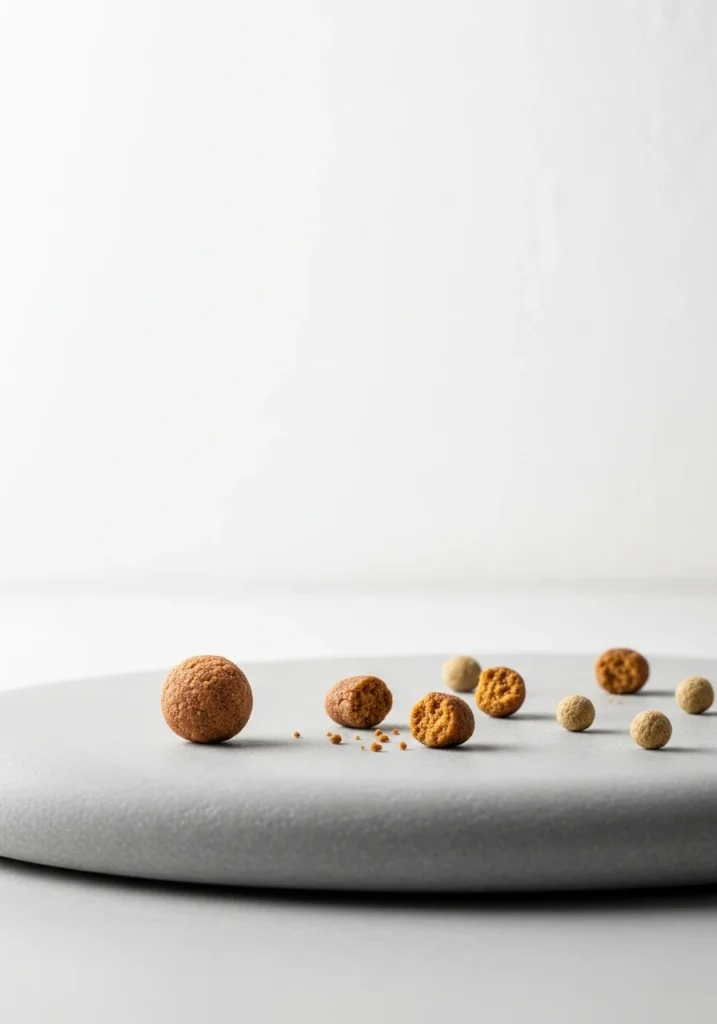
If you want a reliable, shelf-stable training treat that you can throw in a pocket or a treat pouch during a session, small pieces of Nutriberries or broken pellet pieces are genuinely excellent choices.
Nutriberries in particular have a devoted following in the bird training community, and for good reason.
What makes Nutriberries a solid training treat:
- Formulated to be nutritionally complete
- Available in small sizes perfect for little birds
- Most birds find them highly motivating
- Easy to break into even smaller pieces for tiny beaks
- Long shelf life
You can break a single Nutriberrry into four to six pieces for a budgie or parrotlet, making one treat stretch across an entire short training session.
That is both economical and responsible from a dietary standpoint.
Find Nutriberries And Pellet Treats On Amazon
Seeds as High-Value Rewards
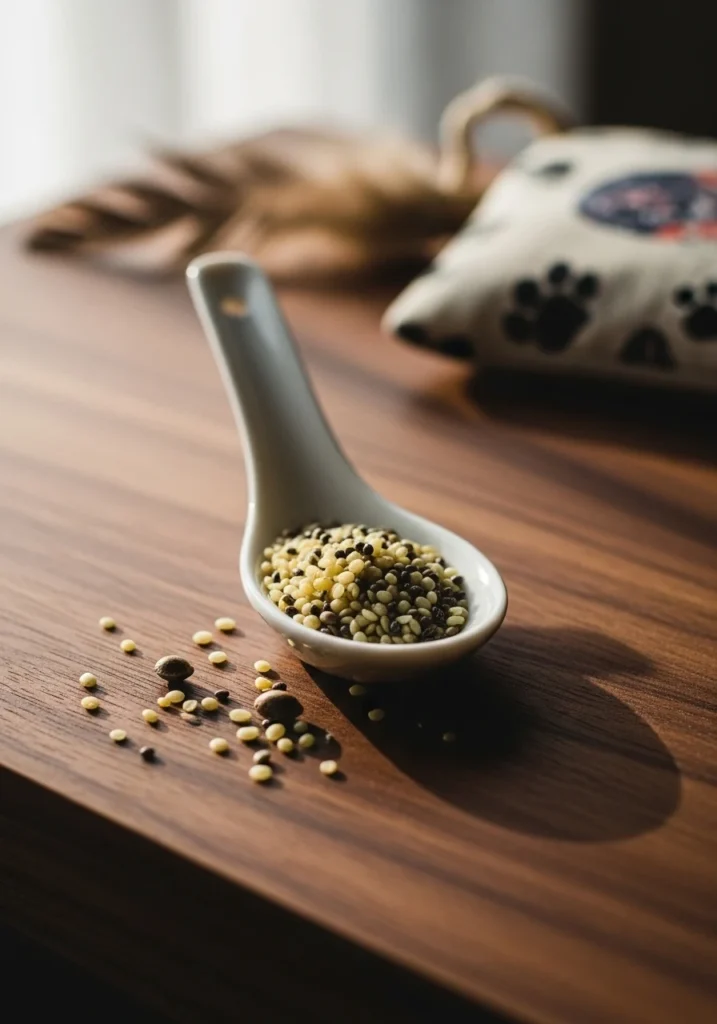
Now, seeds get a complicated reputation in the bird world. And yes, a seed-only diet is a real problem for small birds.
But using seeds strategically as high-value training rewards? That is a completely different story.
The best seeds to use as high-value training treats:
- Millet spray — nearly universally loved and great for step-up training
- Hemp seeds — nutritious, small, and fast to eat
- Chia seeds — tiny and packed with omega-3s
- Flax seeds — excellent in tiny amounts
The operative word here is “tiny.” Reserve these especially for the behaviors you most want to reinforce. If your bird gets millet for every single repetition, it loses its value as a motivator pretty quickly.
Think of seeds as the bird equivalent of a gold star, not a participation trophy.
What to Avoid Giving Your Small Bird as Training Treats
Not everything marketed as a bird treat belongs in your training rotation. Some products that line pet store shelves are loaded with ingredients that do more harm than good when offered repeatedly.
Treats to skip or limit severely:
- Honey sticks and seed sticks with added sweeteners — the sugar content is genuinely alarming
- Treats with artificial dyes — no nutritional value and potentially harmful with repeated exposure
- Dried fruit with added sugar — fruit already has natural sugar; piling on refined sugar is unnecessary
- High-fat nuts in large amounts — a tiny sliver of almond once in a while is fine, but nuts are calorie-dense for a bird this small
- Anything with salt, onion powder, or garlic — these are harmful to avian physiology
The rule of thumb is simple: if the ingredient list reads like a chemistry experiment, put it back on the shelf.
Shop Vet-Approved Bird Treats On Amazon
How to Use Training Treats Effectively
Keep Sessions Short
Small birds have short attention spans, and honestly, so do most of us. Training sessions for budgies, parrotlets, and similar species work best when they run between five and fifteen minutes.
Multiple short sessions per day outperform one long, drawn-out session every time.
Match Treat Value to Behavior Difficulty
Not every behavior deserves the same treat. Stepping onto your finger? A piece of carrot works. Learning to fly to you from across the room for the first time? Bust out the millet.
Match the reward to the effort, and your bird will keep pushing for bigger challenges.
Watch the Calorie Load
Training treats add up fast across a full day of sessions. If you are doing three or four training sessions per day, reduce the amount of food in your bird’s main dish accordingly.
You want your bird slightly motivated by hunger going into a session, not full and indifferent.
Keep Treats Out of Sight
If your bird can see the treat container during the session, half its focus goes to staring at the container instead of performing the behavior.
Keep treats in a small pouch or your pocket and produce them only the moment the behavior is completed.
Preparing Treats Ahead of a Training Session
A little prep work before your session makes everything smoother. Chop your fresh produce into tiny, session-ready pieces. Pre-break your Nutriberries. Portion your sprouts into a small dish.
Having everything ready means you can reward within one to two seconds of the correct behavior, which is exactly the timing window that makes training actually stick.
Store fresh treats in a small airtight container in the fridge and use them within two to three days. Sprouts last a bit longer, around three to four days, when rinsed daily.
A Quick Word on Individual Preferences
Here is something that surprises a lot of new bird owners: birds have wildly individual taste preferences. What motivates one budgie absolutely bores another.
One parrotlet might lose its mind over blueberries while another acts completely unbothered. You will need to run a little taste test of your own to figure out what lights up your specific bird.
Offer small amounts of different foods outside of training sessions first. Watch for the behaviors that signal enthusiasm: rapid eating, excited vocalizations, returning repeatedly for more.
Those are your training gold. The foods that get a polite peck and then an “I guess I will eat this” attitude are the ones to use for easier behaviors, not the big asks.
Conclusion
Training your small bird is one of the most genuinely fun things you can do as a bird owner, and healthy treats are the engine that makes the whole process work.
The short version is this: stick to whole foods, keep portions tiny, rotate through different options to maintain novelty, and save the high-value seeds for the moments that really count.
Your bird is smart, motivated, and absolutely capable of learning more than you probably expect.
Give it fuel worth working for, keep your sessions short and consistent, and you will be amazed at what that tiny, feathery brain can accomplish.
Now go find out whether your bird is a mango bird or a millet bird. That discovery alone is half the fun.
Stock Up On Healthy Bird Training Treats On Amazon
What Are the Healthiest Training Treats for a Budgie?
The best training treats for budgies are fresh fruits like mango and apple, leafy greens, sprouted seeds, and small Nutriberries.
These treats are low in fat, quick to eat, and good for a bird weighing 30 to 40 grams. Avoid honey sticks, sugary seed sticks, and treats with artificial colors.
How Often Should I Give My Small Bird Training Treats?
Give training treats only during training sessions. Avoid using them as snacks all day. Aim for two to four short sessions daily, lasting five to fifteen minutes each.
On heavy training days, lower the food in your bird’s main dish. This helps balance the extra calories from the rewards.
Can I Use Millet as a Training Treat for Small Birds?
Yes, millet spray is a top training treat for small birds like budgies, parrotlets, and cockatiels. Most small birds find millet very motivating.
So, save it for tough behaviors instead of using it all the time. If you use millet too much, it can lose its appeal and disrupt a balanced diet.
What Foods Should I Never Give My Small Bird as a Training Treat?
Never give your small bird avocado, onion, garlic, chocolate, caffeine, or fruit pits. These foods are toxic to birds. Also, avoid treats with added sugar, artificial dyes, salt, or preservatives.
Honey-based seed sticks and store-bought bird “candy” often have harmful additives. These can build up quickly if given during training.
How Do I Find Out Which Training Treat My Bird Prefers?
Run a simple preference test outside of training. Offer small amounts of different foods one at a time. Watch your bird’s reaction.
Signs of a high-value treat include fast eating, excited sounds, and your bird returning for more. The foods that get the strongest reactions should be your main rewards for tough behaviors.
Moderately liked foods are good for easier or already-learned behaviors.