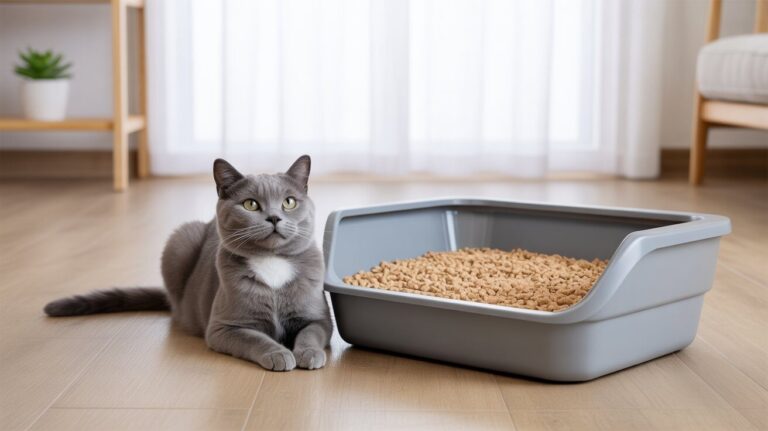
Eco-Friendly Grass Seed Cat Litter Worth Switching To
If you live with a cat, you know the litter box is a constant task. You scoop, you dump, and buy more clay. Then the cycle starts again.
But what if this cycle harms the planet? A better option might be on the shelf. That’s what led me to eco-friendly grass seed cat litter, and I haven’t looked back.
This isn’t just another article that makes you feel guilty about going green. I want to share what I’ve learned about grass seed cat litter.
I’ll explain why it should be in your home and if it really works with real cats.
What Exactly Is Grass Seed Cat Litter?
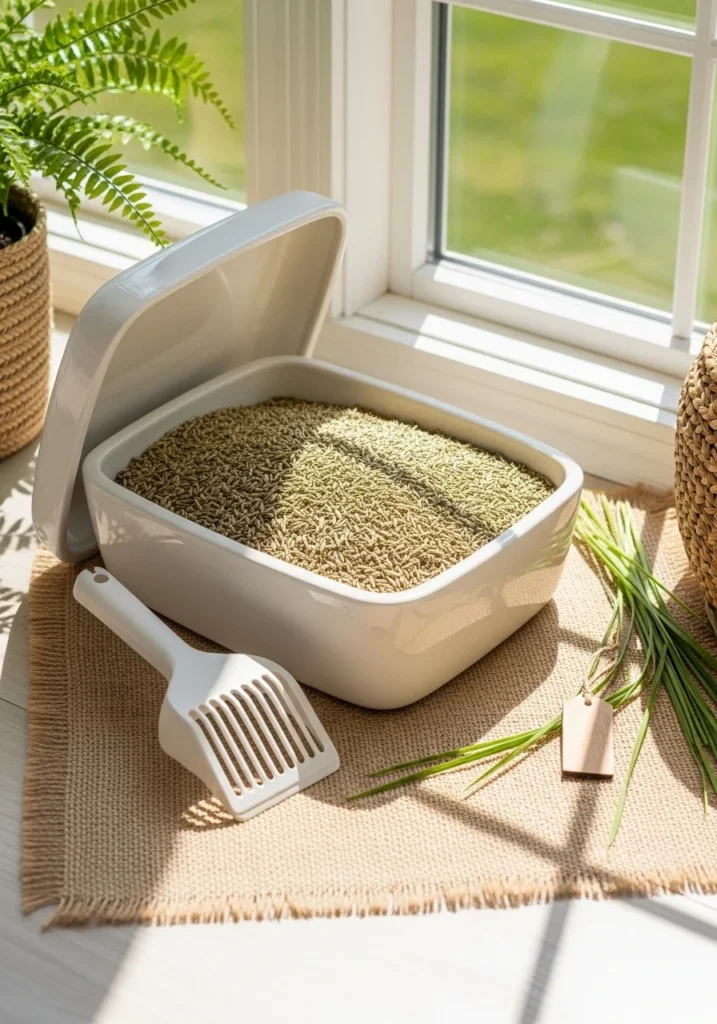
Let’s start with the basics because not everyone has heard of this yet. Grass seed cat litter is made from natural grass fiber, specifically the seeds and fibers harvested from grass plants.
Brands like Dr. Elsey’s Naturally Fresh and Arm and Hammer Cloud Control have brought grass-based litters into the mainstream, but the concept is simple: instead of mining clay out of the earth, manufacturers use a renewable plant source to create an absorbent, clumping litter.
The texture feels lighter than clay and slightly more fibrous. Some cats take to it immediately. Others give you that classic look of feline betrayal before they decide it is acceptable.
Either way, the material itself does what a good litter needs to do: it absorbs liquid, forms clumps, and controls odor without needing a chemical cocktail to get there.
Shop Grass Seed Cat Litter On Amazon
How It Differs from Clay and Silica Litter
Most conventional cat litters fall into two camps: clumping clay (usually sodium bentonite) and silica crystal litter. Here is how grass seed stacks up against both:
- Clay litter is strip-mined, heavy, dusty, and does not biodegrade. It does its job, but the environmental toll is significant.
- Silica crystal litter lasts longer per change but is made from quartz sand, which is also a mined, non-renewable resource, and it does not biodegrade either.
- Grass seed litter comes from a renewable crop, produces less dust, clumps naturally, and biodegrades far faster than either alternative.
The weight difference alone is noticeable. If you have ever thrown your back out hauling a 40-pound clay litter jug, grass seed litter is going to feel like a gift.
Why Eco-Friendly Cat Litter Actually Matters
Here is a fun fact that might change how you see that bag of clay in your closet: Americans send approximately 8 billion pounds of cat litter to landfills every single year. That is not a typo.
Eight billion pounds of mostly non-biodegradable material that just sits there because clay does not break down the way plant matter does.
Switching to a biodegradable option like grass seed litter chips away at that number in a real, tangible way.
It is not a massive gesture, but small household changes multiplied across millions of cat owners genuinely add up.
The Renewable Resource Advantage
Grass is one of the most renewable materials on the planet.
It grows quickly, requires relatively little intervention compared to other crops, and the harvesting process does not involve blasting apart hillsides the way clay mining does.
When you choose a grass seed litter, you support a supply chain that does not depend on finite geological resources.
This matters more than it sounds. Clay deposits that get mined for bentonite take thousands of years to form. Grass takes one growing season.
That difference is enormous when you think about it on a long enough timeline.
Lower Dust, Healthier Air
One thing I did not expect when I switched was how much cleaner the air around the litter box area felt.
Clay litter produces a fine dust that hangs in the air every time your cat digs around or you pour a fresh batch.
Over time, both you and your cat breathe that dust in, and silica dust from clay litter has been linked to respiratory issues in cats with prolonged exposure.
Grass seed litter produces significantly less dust. If you have a cat with asthma or a respiratory condition, or if you just hate sneezing every time you open the litter bag, this switch makes a noticeable difference.
Does It Actually Control Odor?
This is the question everyone asks, and I get it. Odor control is non-negotiable. Nobody wants a litter box that announces itself from across the apartment.
Here is my honest take: grass seed litter handles odor surprisingly well.
The natural fibers absorb moisture quickly, which cuts down on the ammonia smell that builds up when urine sits in a box too long.
Most grass-based litters also have a very faint, natural scent that is not the artificial perfume bomb you get from scented clay litters.
Clumping Performance
Clumping ability is the second test any litter has to pass. Grass seed litter forms tight, solid clumps that hold together when you scoop.
They are not quite as rock-hard as sodium bentonite clay clumps, but they are firm enough that you are not chasing crumbles around the box.
A few things worth noting about clump quality:
- Scooping frequency matters. If you scoop once a day, the clumps stay solid and manageable. If you let it go longer, moisture can start to break them down faster than clay would.
- Box depth matters too. Filling the box to at least three inches deep gives the grass seed litter enough room to form proper clumps without the liquid hitting the bottom.
- Multiple cat households will want to scoop more frequently or consider a self-cleaning box, because grass seed litter works best when it stays relatively dry between uses.
Find The Best-Rated Grass Seed Litter On Amazon
Top Grass Seed Cat Litters Worth Trying
Not all grass seed litters perform equally. Here are a few that consistently get strong reviews and have held up in real-world testing:
Dr. Elsey’s Naturally Fresh Cat Litter
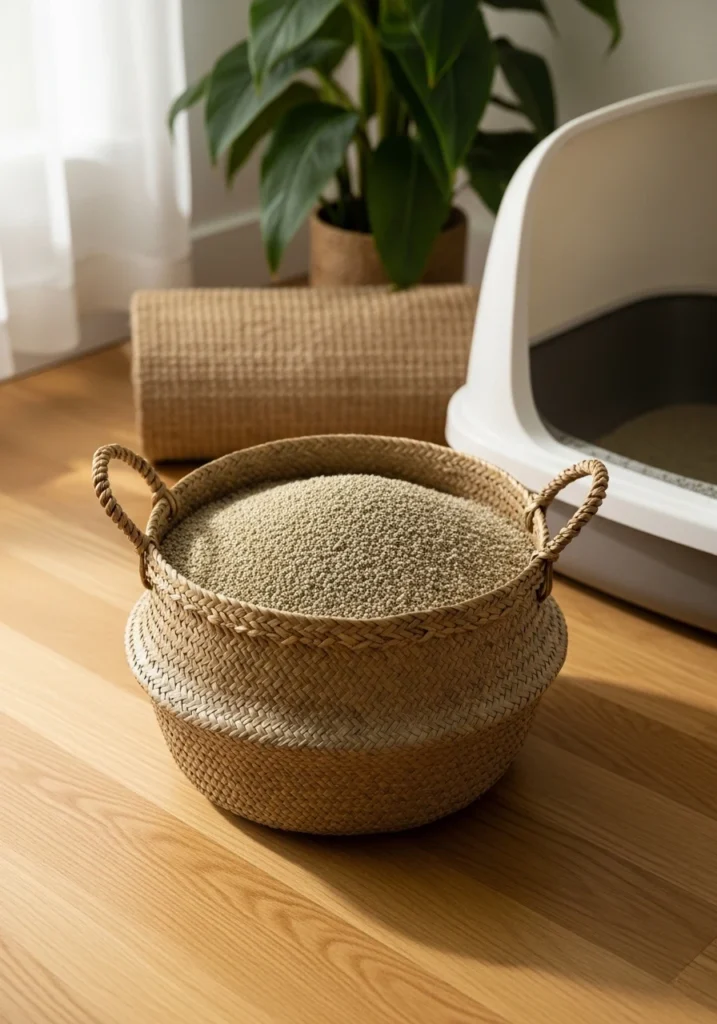
This one comes up constantly in conversations about plant-based litters. It uses walnut shell fiber alongside grass, which boosts both absorbency and odor control.
It clumps well, produces almost no dust, and cats tend to accept it without much drama.
Key strengths:
- Outstanding odor neutralization
- Low dust formula
- Available in multi-cat versions
- Biodegradable and compostable (used litter should never go into food composting, though)
Arm and Hammer Cloud Control Platinum
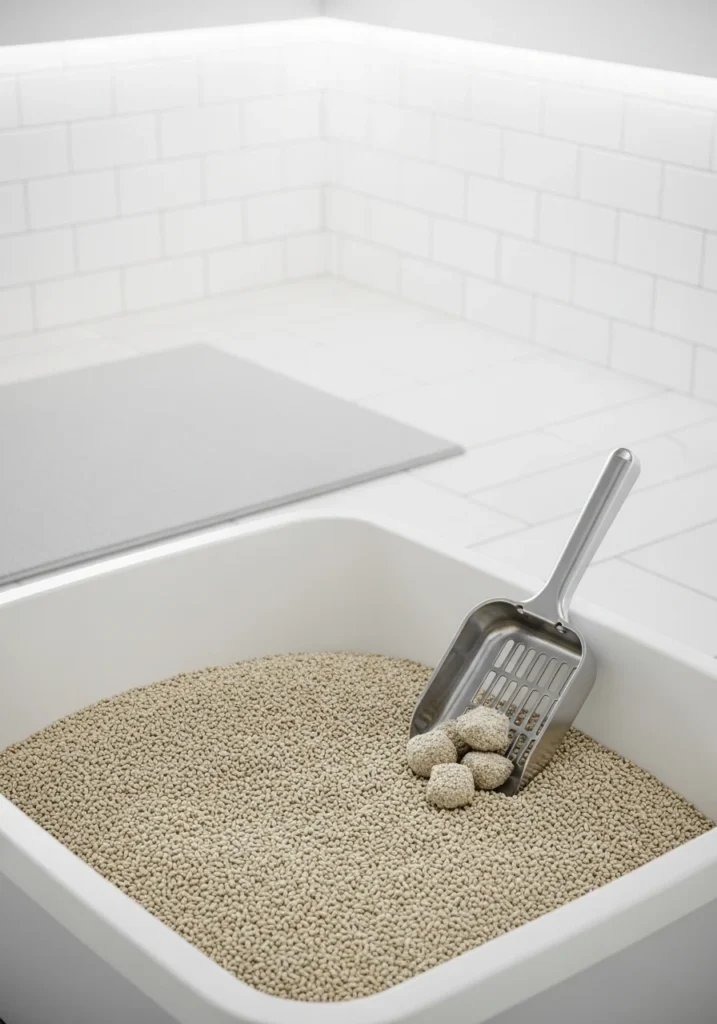
This brand uses a grass fiber base combined with their odor elimination technology. The “cloud control” name refers to the reduced dust, and it actually delivers on that promise.
The clumps form quickly and stay intact for scooping.
Key strengths:
- Familiar brand with strong distribution
- Excellent moisture absorption
- Very light weight compared to clay versions
- Works well in covered and uncovered boxes
Small Pet Select Natural Litter
A slightly less mainstream option, but worth mentioning for households that prioritize sourcing transparency. This litter uses grass seed fibers with minimal processing and no artificial additives.
Key strengths:
- Simple, clean ingredient list
- Gentle on sensitive paws
- Very low tracking compared to clay
Making the Switch Without Driving Your Cat Crazy
Cats are creatures of habit, which is a polite way of saying they will protest any change to their routine with maximum drama.
Switching litter types requires a transition period, and doing it gradually is the key to success.
Here is a simple transition plan that works:
- Week one: Mix 75% old litter with 25% grass seed litter.
- Week two: Go 50/50 with both litters.
- Week three: Use 75% grass seed litter with 25% old litter.
- Week four: Make the full switch to grass seed litter.
This gradual approach lets your cat adjust to the new texture and scent without the shock of a complete overnight change.
Some cats breeze through this transition in two weeks. Others take the full month. Either way, patience pays off.
What to Watch For During the Transition
Keep an eye on whether your cat is actually using the box during the switch. If they start avoiding it, slow down the transition and spend an extra week at whatever ratio they were comfortable with.
A cat avoiding the litter box is always a sign to pay attention to, whether you are switching litters or not.
The Cost Comparison: Is It Worth the Price?
Let’s be real: eco-friendly options often cost more upfront. Grass seed litter is no exception. A comparable weight of grass seed litter typically runs a few dollars more per bag than standard clay.
However, the math gets interesting when you factor in usage rate.
Grass seed litter tends to be more absorbent per ounce than clay, which means a bag often lasts longer than an equivalent weight of clay litter.
Many cat owners report that their grass seed litter bags stretch noticeably further, which narrows the cost gap considerably.
If you subscribe through a retailer like Amazon or Chewy, you can usually shave another 5 to 15 percent off the per-bag price.
Over the course of a year, the difference between clay and grass seed litter often comes down to just a few dollars per month, which is a pretty reasonable price for both better air quality and a lower environmental footprint.
Save More With Amazon Subscribe And Save On Cat Litter
Final Thoughts: Is Grass Seed Litter Worth the Switch?
After everything, yes. Without any reservations. Grass seed cat litter delivers on odor control, clumping, and low dust while running on a renewable resource instead of a mined one.
The transition requires a little patience, and the upfront cost is slightly higher, but the day-to-day experience is genuinely better in most households.
The planet does not need you to overhaul your entire life overnight.
But swapping out something you buy every single month anyway, for a version that works just as well and harms the environment significantly less, is one of those changes that makes sense on every level.
Your cat gets a cleaner, less dusty litter experience. You get lighter bags and a box that does not smell like a chemistry experiment. And the landfill gets a little less of your business.
That sounds like a fair trade to me.
Ready To Make The Switch? Shop Eco-Friendly Cat Litter On Amazon
Is Grass Seed Cat Litter Safe for All Cats to Use?
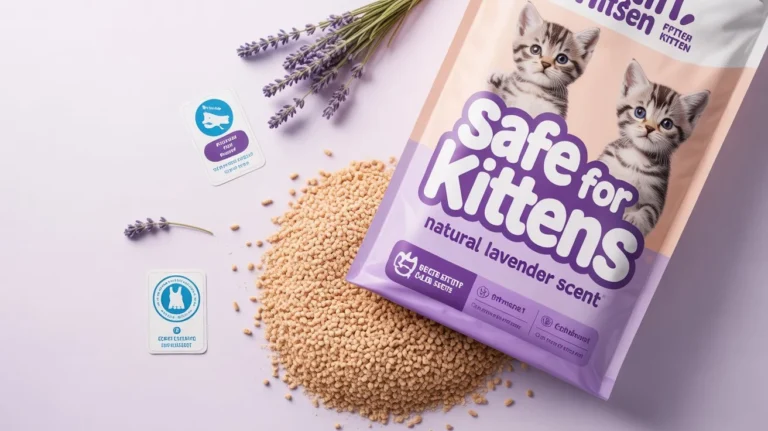
Yes, grass seed cat litter is safe for all cats, including kittens and seniors. It has no synthetic chemicals, artificial fragrances, or harsh additives. This makes it gentler than clay or silica litters.
It also produces much less dust than traditional clay litter. This is important for cats with asthma, allergies, or respiratory issues. However, if your cat has a known grass allergy, check with your vet before switching.
How Well Does Grass Seed Cat Litter Control Odor Compared to Clay Litter?
Grass seed cat litter outperforms clay in odor control. The natural grass fibers absorb moisture fast, preventing ammonia smells.
Unlike clay litters that use strong scents to cover odors, grass seed litter neutralizes them directly. Many cat owners notice that their litter box area smells fresher after switching, especially with regular daily scooping.
Can You Flush Grass Seed Cat Litter Down the Toilet?
Most grass seed cat litter brands advise against flushing, even though the material is biodegradable.
The main reason is that cat waste can have Toxoplasma gondii, a parasite that standard water treatment systems often miss.
Flushing cat litter, no matter the type, risks spreading this parasite into local waterways. A better way to dispose of it is to scoop the waste into a compostable bag and throw it in your regular trash.
You can also check if your local composting program accepts pet waste.
How Long Does a Bag of Grass Seed Cat Litter Typically Last?
A standard bag of grass seed cat litter often lasts as long as, or longer than, an equal weight of clay litter. Grass fibers are more absorbent per ounce, so you need less for each box fill.
In a single-cat household with daily scooping, a mid-sized bag lasts about three to four weeks.
Multi-cat homes use litter faster, but the high absorbency means grass seed litter still competes well with traditional options.
Does Grass Seed Cat Litter Track More Than Clay Litter?
Grass seed cat litter tracks less than most clay litters. This is one of its best advantages. The fibers are coarser and heavier than fine clay particles.
They don’t cling to paw pads as easily, so they don’t spread across your floors. A litter mat at the box entrance catches what does escape.
Most users find tracking much easier to manage than with clay. If tracking has frustrated you, grass seed litter really improves the daily experience.