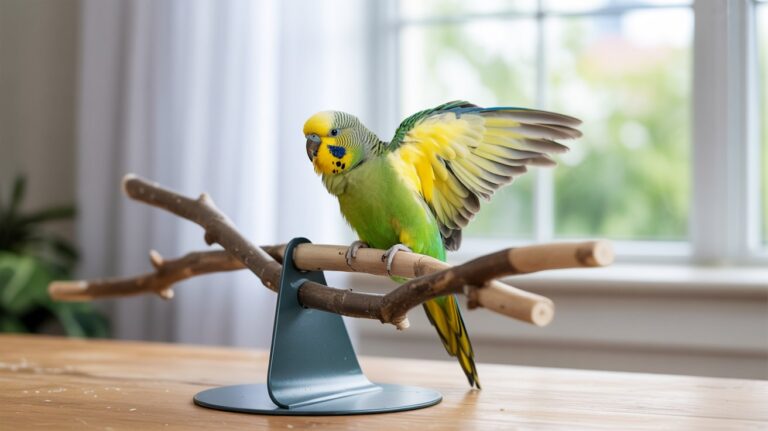
Heated Bird Perches That Keep Pets Warm All Winter
Winter can be tough for everyone, including your bird. While you bundle up in sweaters and blankets, your feathered friend sits on a cold perch, wondering why you haven’t fixed this.
That’s where heated bird perches come in. Once you learn about them, you’ll wonder how you survived winter without one.
If you have a pet bird, like a parrot, cockatiel, or conure, you know how sensitive they are to temperature.
A heated perch is a smart investment for their comfort and health during the cold months. Let’s dive into what you need to know.
Browse Heated Bird Perches On Amazon
Why Your Bird Actually Needs Extra Warmth in Winter
Birds Feel the Cold More Than You Think
Most pet bird species come from tropical or subtropical climates. When the temperature in your home drops below their comfort zone, their little bodies work overtime just to stay warm.
That burns energy they should be using for activity, play, and staying healthy.
Signs that your bird is cold include:
- Puffed-up feathers (they fluff up to trap body heat)
- Tucking their head under a wing more than usual
- Reduced activity or lethargy
- Shivering or trembling
If you have noticed any of these behaviors in winter, your bird is telling you something. And unlike a cat, it cannot exactly go find a sunny patch of floor on its own.
The Problem with Standard Perches in Cold Weather
A regular wooden or plastic perch does nothing to help your bird stay warm. In fact, in a cold room, a metal perch can actively pull heat away from your bird’s feet.
Birds lose a significant amount of body heat through their feet, so a cold perch makes a genuinely miserable situation worse.
Heated perches solve this problem at the source. Instead of warming the whole room (which is expensive and not always practical), they deliver gentle, targeted warmth right where your bird rests.
What Is a Heated Bird Perch, Exactly?
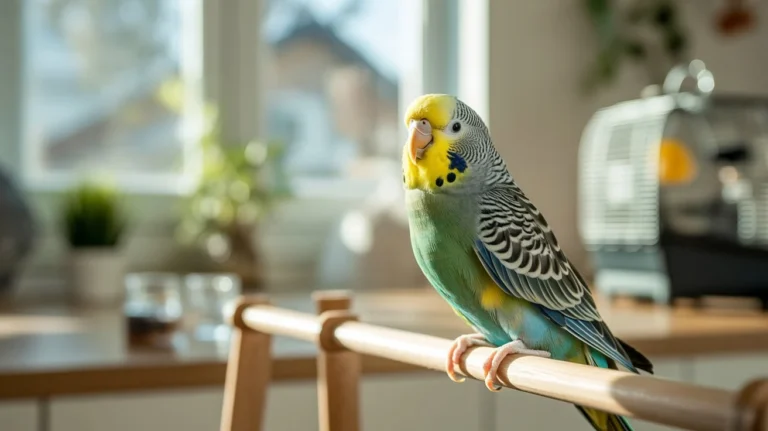
A heated bird perch is a perch that contains a low-wattage heating element inside.
The element warms the surface to a safe, comfortable temperature that mimics the warmth of a natural roosting spot.
Most quality heated perches maintain a surface temperature of around 102 to 107 degrees Fahrenheit, which sits just above a bird’s normal body temperature of roughly 104 to 106 degrees.
The warmth is gentle and consistent. It does not make the perch hot to the touch for a human, but for a small bird clinging to it, it feels like sitting in a cozy corner on a sunny day.
Shop Heated Bird Perches On Amazon
How the Heating Element Works
Most heated perches use one of two setups:
- Resistance wire heating elements wrapped inside the perch core, similar to a heating pad but far more durable and enclosed
- Carbon fiber heating elements in newer models, which offer more even heat distribution and longer lifespan
Both types plug into a standard electrical outlet and draw very little power, usually between 4 and 10 watts. To put that in perspective, your phone charger probably uses more electricity.
The Real Benefits of Heated Perches for Pet Birds
Comfort That Translates to Better Health
A warm, comfortable bird is a healthier bird. When your pet does not have to burn extra calories fighting the cold, that energy goes toward immune function, feather quality, and general vitality.
Avian veterinarians frequently recommend supplemental heat sources for birds kept in homes where temperatures regularly dip below 65 degrees Fahrenheit.
Cold stress is a genuine concern. Prolonged exposure to low temperatures can suppress a bird’s immune system and make them more vulnerable to respiratory infections.
A heated perch will not replace proper room temperature management, but it adds a meaningful layer of protection.
Arthritis and Joint Relief for Older Birds
This benefit does not get talked about nearly enough. Older birds, just like older humans, often develop arthritis in their feet and joints.
Cold weather worsens that discomfort significantly. A heated perch provides gentle, consistent warmth that can noticeably reduce joint pain and stiffness in aging birds.
If you have a bird who seems reluctant to perch or shifts around a lot on their feet, warmth could make a real difference in their quality of life.
Better Sleep and Longer Rest
Birds sleep better when they are warm. A heated perch set up in the sleeping area of the cage encourages deeper, more restful sleep.
Well-rested birds tend to be more alert, more vocal, and more engaged during the day. It is a small change with a surprisingly big ripple effect on your bird’s overall mood and behavior.
Choosing the Right Heated Bird Perch
Size Matters
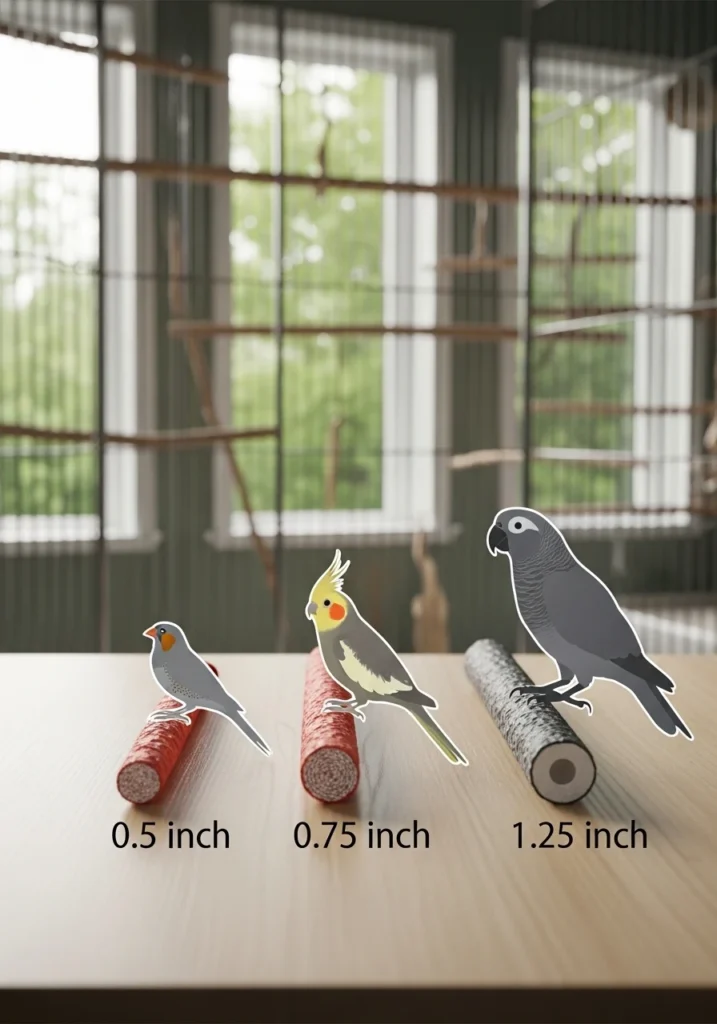
The perch diameter should match your bird’s foot size. A bird should be able to grip the perch so that their toes wrap about three-quarters of the way around it.
If the perch is too thin, it stresses the tendons. Too thick, and the bird cannot grip properly.
General sizing guidelines:
- Small birds (finches, budgies, parrotlets): 0.5 to 0.75 inches diameter
- Medium birds (cockatiels, conures, lovebirds): 0.75 to 1 inch diameter
- Large birds (African greys, Amazons, cockatoos): 1 to 1.5 inches diameter
- Extra-large birds (macaws): 1.5 inches and above
Find The Right Size Heated Perch For Your Bird On Amazon
Surface Texture
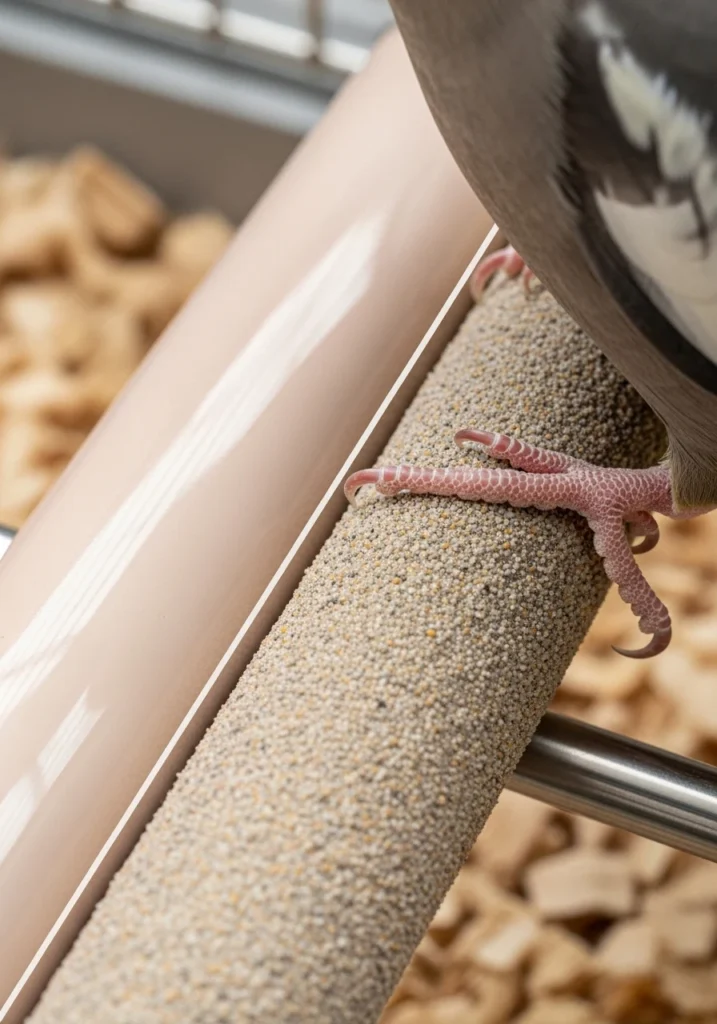
Smooth heated perches are fine for comfort, but many birds benefit from a slightly textured surface that helps keep their nails naturally worn down.
Some heated perches come with a sandy or rough outer coating for exactly this reason. Just make sure the texture is gentle, not abrasive enough to cause sore feet.
Safety Features to Look For
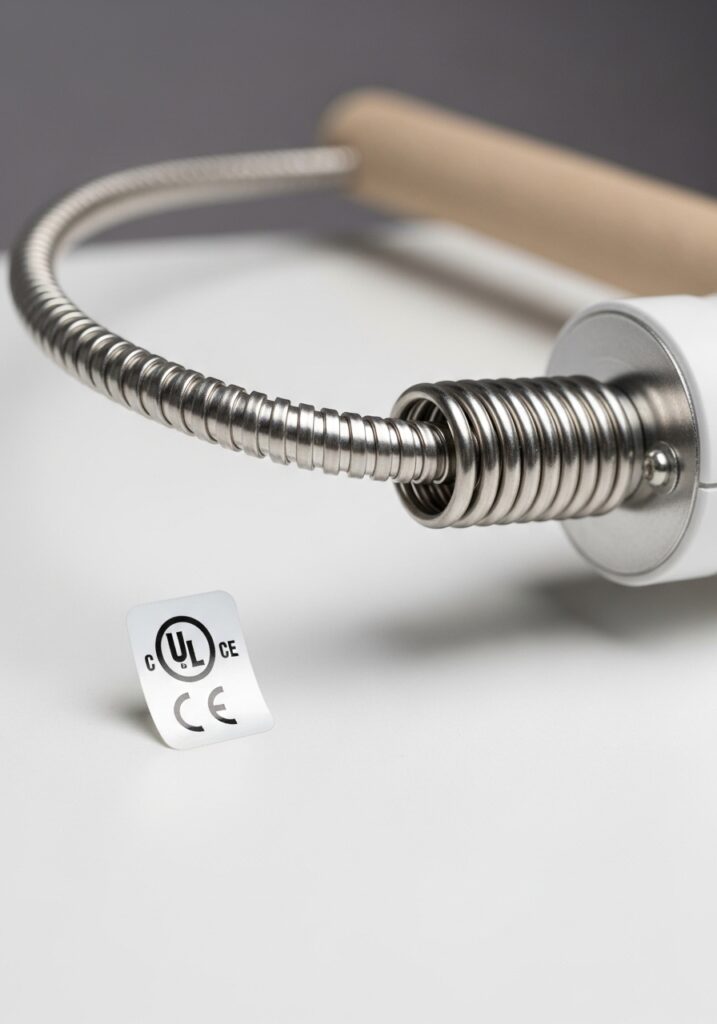
Not all heated perches are created equal, and you should pay attention to safety specs before buying. Look for:
- Overheat protection or automatic shutoff built into the heating element
- Chew-resistant cord covers, because birds will absolutely investigate the cord
- Non-toxic surface materials certified safe for birds
- UL or CE certification for electrical safety standards
- A surface temperature cap that does not exceed 110 degrees Fahrenheit
Avoid any product that does not clearly disclose its maximum surface temperature or that lacks basic electrical safety certifications. Your bird’s safety is worth the extra research.
Cord Placement and Cage Setup
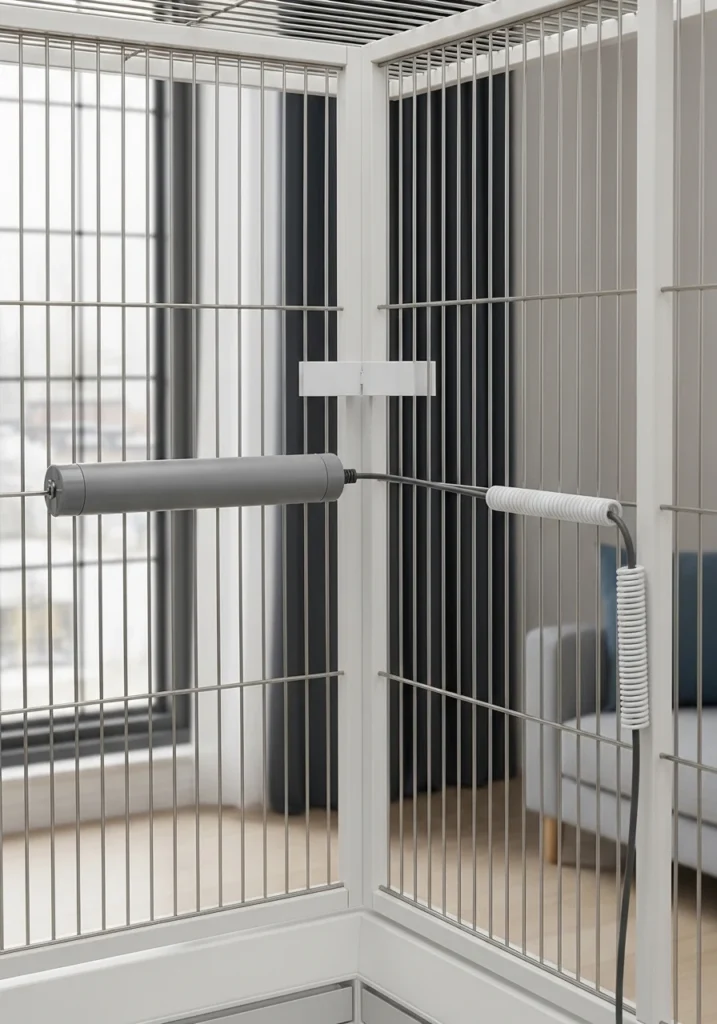
One practical consideration that often gets overlooked: how does the cord exit the cage? A heated perch is only as good as its ability to stay safely connected without creating a hazard inside the enclosure.
Look for models with cord shields or guards that prevent your bird from reaching the wire.
Many experienced bird owners run the cord through the cage bars and tape it down on the outside to keep it completely out of reach.
Top Features That Separate Good Heated Perches from Great Ones
When you start comparing products, here are the features that actually matter:
- Consistent heat output: The temperature should stay stable, not fluctuate wildly depending on ambient room temperature
- Easy cleaning: The surface should be wipeable or have a removable cover since hygiene inside a bird cage is always a priority
- Durability: Stainless steel hardware and a well-sealed heating element will last far longer than budget options
- Natural perch shapes: Some heated perches mimic natural branch shapes, which gives birds more variety in how they grip and shift their weight
- Low wattage: A quality heated perch should not be a noticeable addition to your electricity bill. Anything above 15 watts for a small bird perch is excessive
Compare Heated Bird Perches On Amazon
How to Introduce a Heated Perch to Your Bird
Some birds take to a heated perch immediately. Others look at it with the same suspicion they reserve for new toys, vegetables, and anything that was not in their cage yesterday.
Patience is the key.
A Simple Introduction Method
- Place the heated perch in the cage but leave it unplugged for a day or two. Let your bird get used to the physical object first.
- Plug it in and let the perch warm up while your bird observes from a familiar perch.
- Encourage your bird to step onto it using treats or gentle encouragement. Do not force the interaction.
- Let them discover the warmth on their own terms. Most birds, once they feel the gentle heat, will start choosing that perch voluntarily.
Some birds transition within an hour. Others take a week. Either is completely normal.
Heated Perches vs. Other Bird Warming Options
You have a few options when it comes to supplemental heat for your bird. Here is how they compare honestly:
| Option | Pros | Cons |
|---|---|---|
| Heated perch | Targeted warmth, energy-efficient, bird controls usage | Requires electrical outlet, cord management needed |
| Ceramic heat emitter | Heats entire cage area | Can overheat if unsupervised, more energy use |
| Heat lamp | Immediate warmth | Light disrupts sleep, uneven heat distribution |
| Room space heater | Warms whole room | Expensive to run, inconsistent temperature |
| Snuggle Safe heating disc | No electricity needed | Cools off after 8 to 10 hours, needs reheating |
A heated perch wins for most everyday winter use because it gives your bird agency. They perch on it when they want warmth and step away when they do not.
That self-regulation matters for birds, who are quite good at knowing what their bodies need.
Maintenance and Safety Checks
A heated perch is a simple device, but it still deserves regular attention.
Weekly checks to do:
- Inspect the cord for any signs of chewing or fraying
- Wipe down the perch surface to remove droppings and debris
- Feel the surface temperature briefly with your hand to confirm it is warm but not hot
- Check that the perch hardware is still secure in the cage
Monthly checks:
- Look at the heating element connection point for any discoloration or damage
- Confirm the surface texture has not worn down to sharp edges
- Replace the perch if you notice any cracking in the outer shell
No piece of electrical equipment lasts forever, and a heated perch inside a bird cage takes more wear than most.
Replacing it every two to three years is a reasonable expectation for quality products.
Conclusion: A Small Change That Makes a Big Difference
Your bird cannot turn up the thermostat, pull on a hoodie, or make you a strongly worded to-do list about fixing the cold perch situation.
They rely entirely on you to make their environment comfortable. A heated bird perch is one of the most direct, effective, and affordable ways to do exactly that.
The benefits are real: better sleep, healthier feet, reduced cold stress, and genuine relief for older birds dealing with joint pain.
The investment is small, the energy usage is minimal, and the impact on your bird’s winter quality of life is significant.
So the next time the temperature drops and you catch your bird puffed up like a little feathered snowball, you will know exactly what to do about it.
Get them a heated perch, introduce it properly, and watch them claim it as their new favorite spot in the cage.
They will not thank you out loud, but the way they settle in and relax will tell you everything you need to know.
Get Your Bird A Heated Perch On Amazon Today
How Warm Does a Heated Bird Perch Actually Get?
Most quality heated bird perches stay between 102 and 107 degrees Fahrenheit. This range is just above a bird’s natural body temperature of about 104 to 106 degrees.
It makes the warmth feel natural and comfortable. The surface should not feel too hot to a quick human touch.
If it does, that’s a warning sign about the product’s safety. Stop using it right away until you can check the maximum temperature from the manufacturer.
Are Heated Bird Perches Safe to Leave on Overnight?
Yes, as long as the perch has safety certifications like UL or CE approval and includes overheat protection.
Most heated perches use only 4 to 10 watts and are made for continuous use. However, you should check the cord and perch surface often for any wear, chewing, or damage.
A frayed cord in a cage can be dangerous, so catch it early. Many bird owners run the cord outside the cage bars and secure it, making overnight use safer.
What Size Heated Perch Does My Bird Need?
The right perch size depends on your bird’s species and foot size. Small birds, like budgies and finches, need perches between 0.5 and 0.75 inches in diameter.
Medium birds, such as cockatiels and conures, require about 0.75 to 1 inch. Large parrots, like African greys and Amazons, need 1 to 1.5 inches.
Macaws require 1.5 inches or more. A properly sized perch lets your bird’s toes wrap about three-quarters around it.
Getting the diameter right is important for comfort, tendon health, and long-term foot health.
Can a Heated Bird Perch Help a Bird With Arthritis?
Absolutely. Older birds often get arthritis in their feet and leg joints. Cold weather can make this pain worse.
A heated perch provides gentle warmth to the feet, helping reduce stiffness and discomfort. Many avian vets suggest heat sources for senior birds to manage joint issues.
If your older bird avoids perching, shifts its weight often, or seems uncomfortable on regular perches, try a heated perch first.
It’s a simple change before considering more complex medical options.
How Do I Get My Bird to Use a New Heated Perch?
Place the unplugged perch inside the cage for one to two days. This lets your bird explore it without any heat.
Once your bird seems comfortable, plug it in and let it warm up while your bird watches from a familiar spot.
Use treats or gentle encouragement to invite your bird onto the perch, but don’t force it. Most birds find the warmth on their own and start using the heated perch within a few days.
Cautious birds may take up to a week, which is normal behavior.