Natural Calming Sprays to Soothe Your Anxious Dog
If your dog shakes during thunderstorms, paces before car rides, or panics on the Fourth of July, you know the feeling of watching your furry friend suffer from anxiety.
You want to help, but you need a safe and effective solution. That’s where natural calming sprays come in. They have truly changed the game for many dog owners.
These sprays aren’t magic, but they work well when used properly. This guide covers everything you need to know.
It explains how these sprays work and which ingredients are effective, helping you make a confident choice for your pup.
What Exactly Is a Natural Calming Spray for Dogs?
A natural calming spray is a topical or environmental product formulated with plant-based or pheromone-based ingredients designed to reduce stress and anxiety in dogs.
You typically spray it on your dog’s bedding, collar, bandana, or directly into the air around them.
The goal is simple: create a sense of calm without relying on pharmaceutical sedatives.
Think of it as aromatherapy for your dog, which sounds a little precious until your anxious Lab actually stops shaking during a storm.
How Do They Work?
Dogs process scent far more powerfully than humans do. Their olfactory system is roughly 40 times more sensitive than ours, which means certain scents trigger real neurological responses.
Natural calming sprays tap into that biology.
- Pheromone-based sprays mimic the calming pheromones that mother dogs produce to comfort their puppies. These synthetic versions signal safety to the dog’s brain.
- Essential oil-based sprays use plant compounds like lavender or chamomile to produce a mild sedative or anxiety-reducing effect.
- Herbal blends often combine multiple botanicals that work synergistically to reduce cortisol and promote relaxation.
None of these replace veterinary advice for severe anxiety, but for mild to moderate stress, they do the job remarkably well.
The Key Ingredients Worth Knowing About
Not all calming sprays are created equal, and the ingredient list tells you everything. Here is what to look for and why each one matters.
Lavender
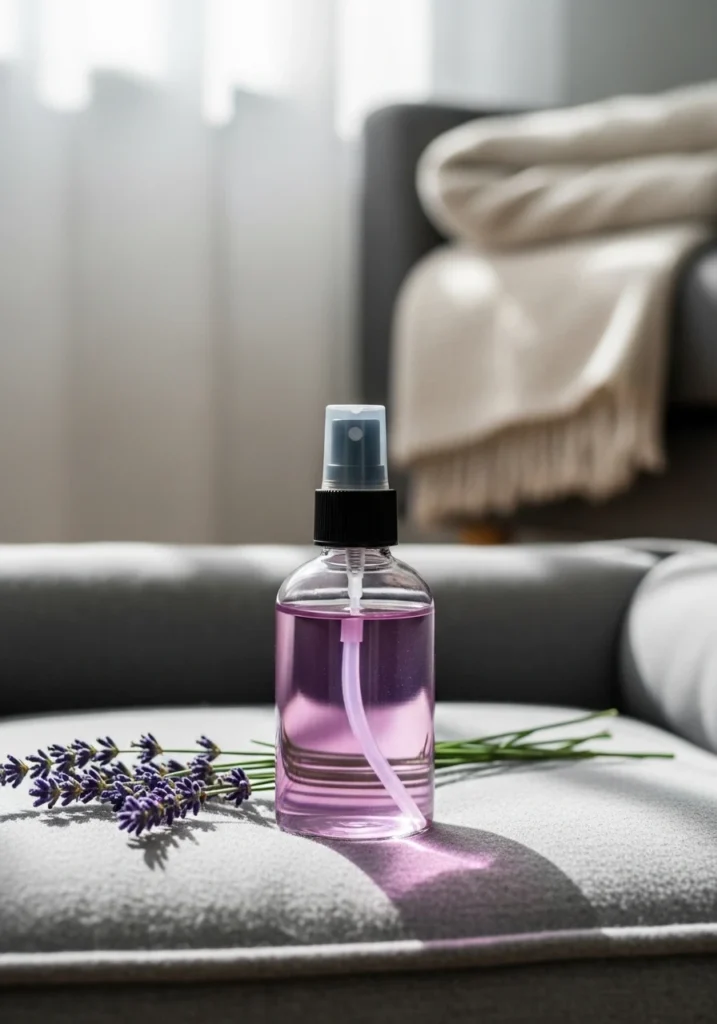
Lavender is probably the most well-researched natural calming agent out there. Studies on both humans and dogs suggest that lavender aromatherapy can reduce heart rate and lower stress markers.
A 2006 study published in the Journal of the American Veterinary Medical Association found that lavender significantly reduced movement and vocalization in dogs that had previously been anxious during travel.
When you see lavender on a spray label, that is a green flag. Just make sure it is properly diluted because undiluted essential oils can irritate a dog’s skin and respiratory system.
Chamomile
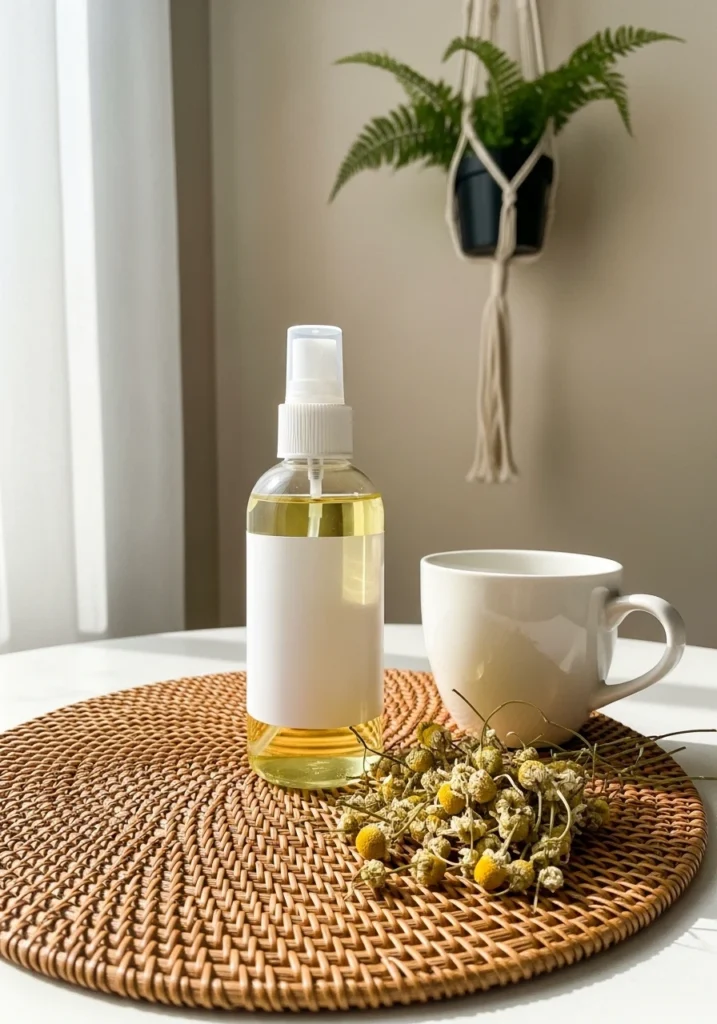
Chamomile works as a mild sedative and anti-anxiety agent. It contains an active compound called apigenin that binds to receptors in the brain to produce a calming effect.
It is gentle enough for daily use and works well alongside lavender in blended formulas.
Valerian Root
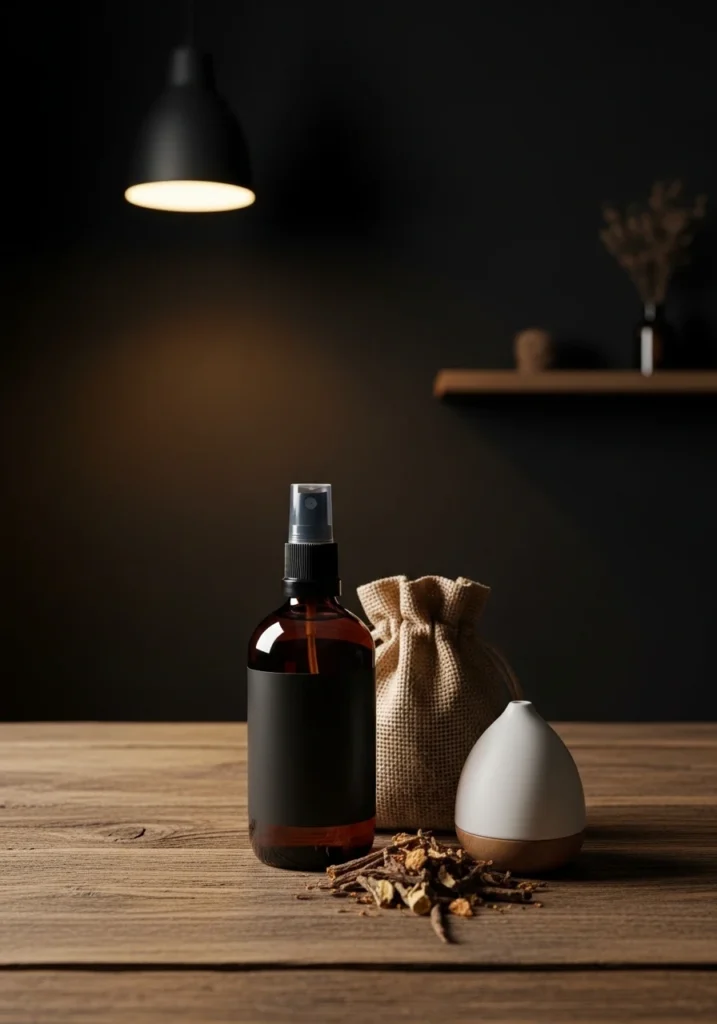
Valerian is often called “nature’s Valium,” and while that comparison is a little dramatic, the herb genuinely supports nervous system relaxation.
It is particularly useful for situational anxiety like fireworks, thunderstorms, or vet visits.
Some dogs respond to valerian better than lavender, so if one spray is not working, checking the ingredient list is worth your time.
Synthetic Dog-Appeasing Pheromones (DAP)
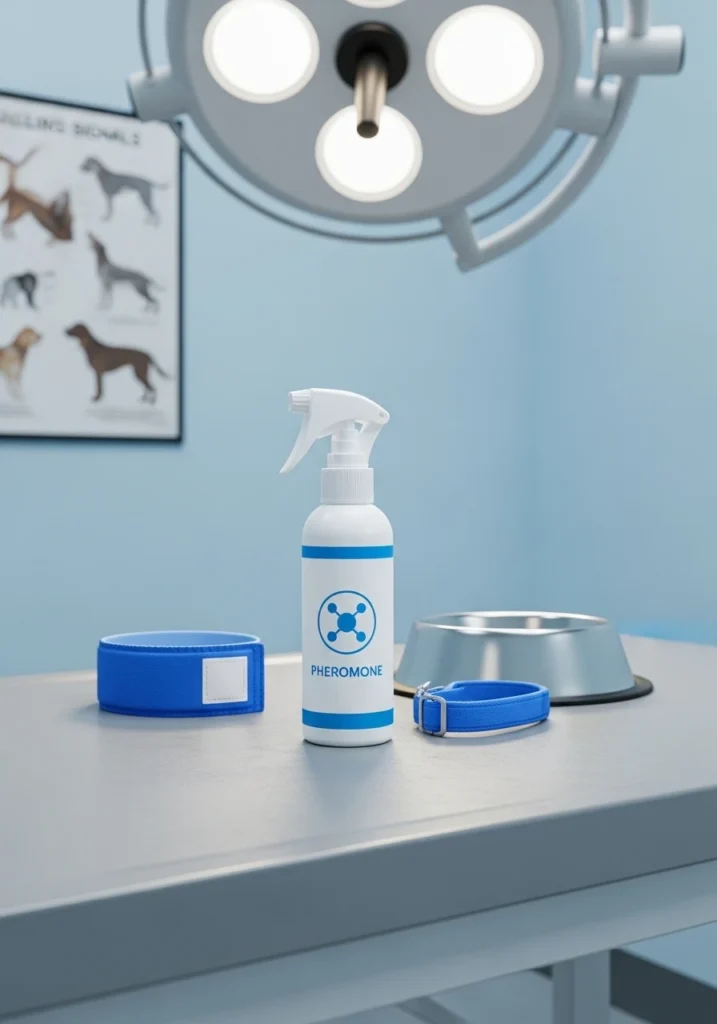
DAP sprays replicate the pheromone produced by nursing mother dogs, and they are remarkably effective for separation anxiety and new environment stress.
Adaptil is the most recognized brand in this category.
Pheromone sprays work differently from essential oil sprays because they speak directly to your dog’s instincts rather than their sense of smell in a general way.
Frankincense and Vetiver
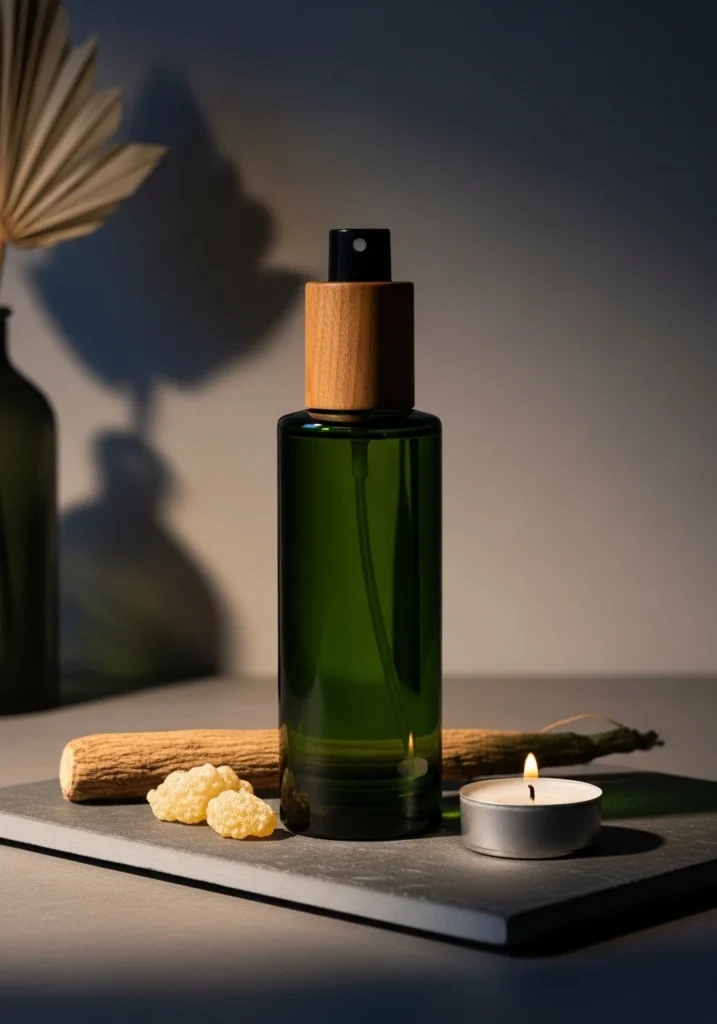
These two are less common but deserve a mention. Frankincense has grounding, calming properties, and vetiver is used in human aromatherapy for its deeply settling scent.
Some premium dog calming sprays include these for a more robust formula.
When Should You Actually Use a Calming Spray?
Good question. Calming sprays are not an all-day solution, and using them strategically makes a huge difference in their effectiveness.
Best situations to use them include:
- Thunderstorms and fireworks – Spray your dog’s favorite blanket or their crate bedding about 15 minutes before the storm hits.
- Car rides – Spray the back seat or their travel crate before loading up. Your dog will thank you, and so will your upholstery.
- Vet visits – Spray their bandana or collar about 20 minutes before you leave. Walking in with a slightly calmer dog makes the whole experience better for everyone.
- New environments – Moving houses, hotel stays, or boarding facilities all count here.
- Separation anxiety – Spray their sleeping area before you leave to create a comforting scent memory.
The key is timing. Most sprays take 15 to 20 minutes to work, so do not wait until your dog is already spiraling into panic mode.
How to Use Calming Sprays Correctly
You can have the best product on the market and still see zero results if you are using it wrong. Here is the straightforward way to get the most out of any calming spray.
Application Tips
- Never spray directly on your dog’s face. Apply it to their bedding, collar, or a nearby bandana instead.
- Spray the environment, not just the dog. Misting the room or crate creates an ambient calming effect.
- Give it time to dry. Wet sprays with strong scents can actually startle or irritate some dogs. Let it air for a minute before introducing your pup.
- Reapply as needed. Most sprays last four to six hours. For a long event like an all-day trip or a holiday weekend full of fireworks, plan to reapply.
Patch Test First
If you are using a new spray, do a small patch test on your dog’s bedding and watch for any skin sensitivity or unusual behavior. This is especially important for dogs with allergies or sensitive skin.
Natural Calming Sprays vs. Other Calming Solutions
Where do sprays fit compared to other options on the market? Here is an honest comparison.
| Solution | Ease of Use | Speed | Best For |
|---|---|---|---|
| Calming sprays | Very easy | 15 to 20 min | Situational anxiety |
| Calming chews/treats | Easy | 30 to 60 min | Ongoing daily anxiety |
| Anxiety wraps (Thundershirt) | Moderate | Immediate | Physical anxiety response |
| Prescription medication | Requires vet | Varies | Severe, chronic anxiety |
| CBD oil for dogs | Easy | 30 to 45 min | Moderate anxiety |
Calming sprays shine brightest in situational, short-term anxiety scenarios. They are non-invasive, easy to use, and require no preparation beyond a quick spritz.
For dogs with chronic anxiety or severe behavioral issues, sprays work best as part of a broader management plan that includes training and possibly veterinary guidance.
What to Look for When Buying a Calming Spray
Walk into any pet store or browse online for five minutes, and you will face a wall of options. Here is what separates a quality product from a pretty bottle with vague claims.
Ingredient Transparency
A reputable brand lists every ingredient clearly. If the label just says “proprietary blend” with no specifics, that is a red flag worth paying attention to.
You want to know exactly what you are spraying near your dog.
Proper Dilution
Essential oils must be properly diluted for safe use around dogs. Look for products that specify dilution ratios or state that they are formulated specifically for canine use.
Human aromatherapy products are often too concentrated and can be harmful.
No Artificial Fragrances or Alcohol
Artificial fragrances can trigger respiratory irritation, especially in brachycephalic breeds like Bulldogs and Pugs.
Alcohol-based sprays can dry out your dog’s skin and sometimes worsen anxiety due to the sharp scent.
Third-Party Testing
The best products include some form of third-party testing or quality certification. This is not always easy to find, but brands that invest in it usually advertise it clearly on their packaging.
A Few Honest Opinions From Experience
Here is the truth: calming sprays are not a one-size-fits-all solution. Some dogs respond beautifully to lavender-based sprays. Others seem entirely indifferent, as if you just spritzed plain water near them.
Every dog has a unique nervous system and scent sensitivity.
The most consistent results tend to come from pheromone-based sprays like Adaptil, particularly for separation anxiety and new environment stress.
For thunder and fireworks, a lavender or chamomile spray on the bedding, paired with a quiet, covered crate, works better than the spray alone.
If a spray does not work the first time, do not write it off entirely. Consistent use over several days in low-stress situations can build a positive scent association that makes the spray more effective over time.
Conclusion
Your dog cannot tell you they are anxious. They just pace, tremble, bark, or hide under the bed and hope you figure it out.
Natural calming sprays give you a simple, safe, and genuinely effective tool to help them through those hard moments.
Look for quality ingredients like lavender, chamomile, valerian root, or DAP pheromones. Use the spray strategically and give it time to work.
And when in doubt, pair it with other calming strategies for the best results.
Your dog has spent years perfecting the art of trusting you completely. Helping them feel a little safer in a stressful world is honestly one of the best ways to return the favor.
How Long Does a Natural Calming Spray Take to Work on a Dog?
Most natural calming sprays begin to work in about 15 to 20 minutes. Pheromone-based sprays, like DAP products, usually work in this time frame.
Essential oil blends, such as lavender or chamomile, may take a bit longer, depending on your dog’s sensitivity.
For the best results, apply the spray to your dog’s bedding or collar before a stressful event. Avoid waiting until your dog is already panicking.
Are Natural Calming Sprays Safe for All Dog Breeds?
Yes, generally, but there are a few important points.
Dogs with breathing sensitivities, especially brachycephalic breeds like Bulldogs, French Bulldogs, and Pugs, may react strongly to strong scents, including essential oils.
Always choose a spray made for dogs. Avoid products with artificial fragrances or alcohol. Do a patch test on bedding before using it fully.
If your dog shows irritation, sneezing, or discomfort, stop using it and talk to your vet.
Can I Use a Natural Calming Spray Alongside Other Anxiety Treatments?
Absolutely. Natural calming sprays are great for managing anxiety. Many dog owners use them with anxiety wraps like Thundershirt, calming chews, behavioral training, or medication for severe cases.
The sprays are non-invasive and usually don’t interfere with other treatments. If your dog is on prescription anxiety medication, check with your vet before adding any new product.
How Often Should I Apply a Calming Spray to My Dog?
Most natural calming sprays work for four to six hours per use. For short events, like a vet visit or car ride, one application is usually enough.
For longer stressors, such as all-day travel, fireworks weekends, or moving, reapply every four to six hours as needed. Always check the product label for specific instructions, as formulations differ by brand.
What Is the Difference Between a Pheromone Calming Spray and an Essential Oil Calming Spray?
These two calming sprays work in different ways. Pheromone sprays, like those with synthetic Dog-Appeasing Pheromones (DAP), mimic natural calming scents that mother dogs give to their puppies.
They signal safety through your dog’s instinct. Essential oil sprays use plant compounds such as lavender, chamomile, or valerian root to create a calming effect through scent.
Pheromone sprays are generally better for separation anxiety and stress from new environments. Meanwhile, essential oil blends often help with situational anxiety, like during storms or travel.