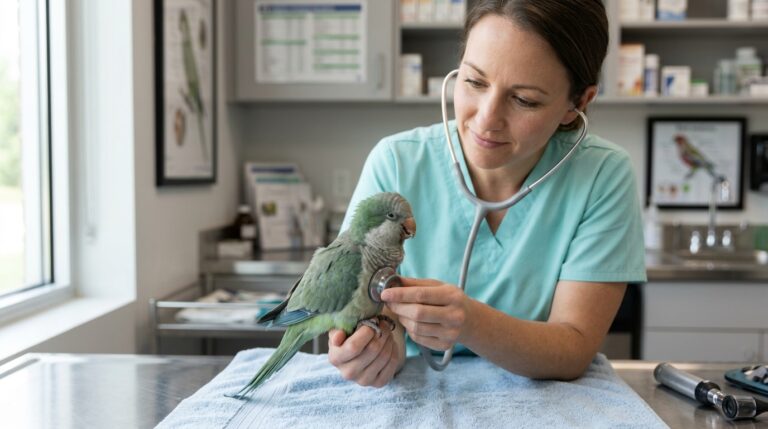
How to Spot a Sick Bird Before It’s Too Late
You wake up one morning and head to your bird’s cage. Something feels off. Maybe your chatty parrot is silent in the corner. Or your finch looks fluffed up like a little feather ball.
You’re not imagining it. Birds hide illness well. By the time they seem obviously sick, they’ve often been struggling for a while. Trust that instinct you feel.
This guide shows you clear signs that something is wrong with your bird, long before it becomes a vet emergency. Whether you have parrots, finches, canaries, or backyard chickens, these tips apply to all.
Why Birds Hide Illness (And Why That’s a Problem for You)
Here is something every bird owner needs to understand: birds are prey animals by nature, and in the wild, showing weakness is basically an open invitation for a predator.
So birds have evolved to mask symptoms until they physically cannot anymore.
That means by the time your bird looks sick to the casual observer, it has probably been unwell for days, sometimes longer.
Wild or domestic, the instinct runs deep. Knowing this one fact will completely change how you observe and interact with your bird every single day.
The Survival Instinct Works Against You
Think about it from the bird’s perspective. In the wild, a sick bird that sits at the bottom of a tree looking miserable becomes lunch.
So birds keep eating, keep moving, keep calling out, right up until they simply cannot.
Your pampered parakeet still carries that same survival programming. Adorable and also deeply inconvenient for you as a caretaker.
This is why daily observation is your most powerful diagnostic tool. You are not waiting for obvious signs. You are watching for subtle shifts in behavior, appetite, posture, and appearance.
Behavioral Changes: The First Red Flags
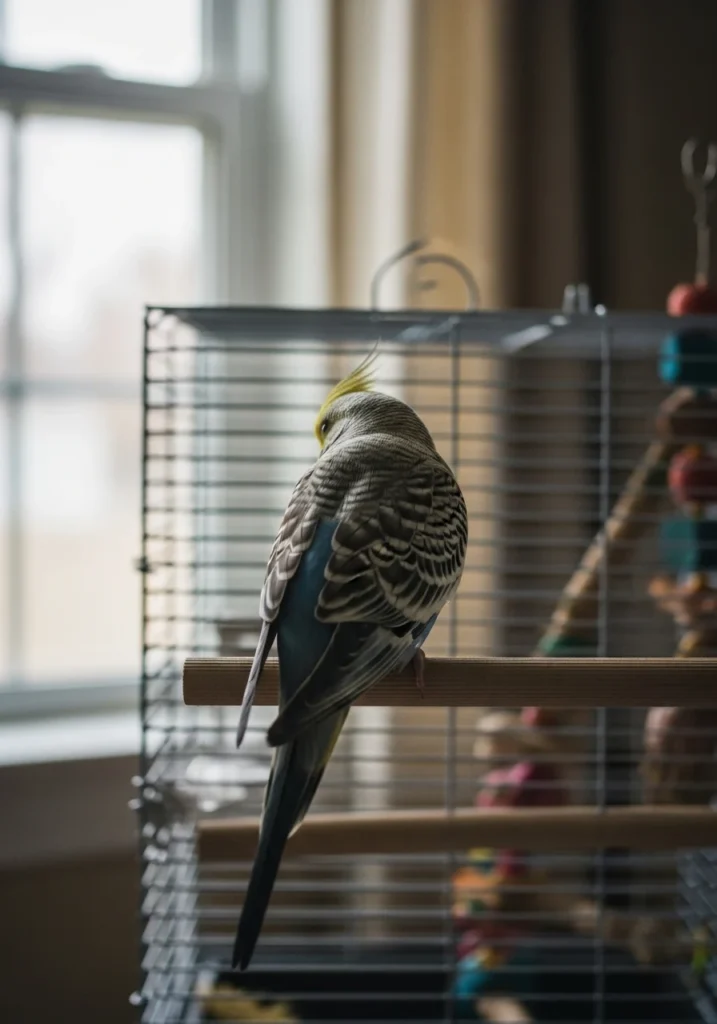
Behavior changes almost always show up before physical symptoms do. If you know your bird’s normal personality well enough, a behavioral shift will jump out at you immediately.
Sudden Quietness or Reduced Vocalization
A bird that usually fills the room with noise going silent is a significant red flag.
Reduced vocalization, fewer calls, less singing, or an overall drop in activity levels can all point to something being wrong internally.
This is one of the earliest warning signs, and many owners miss it because they just assume the bird is having a quiet day.
Trust the pattern. If your bird is reliably noisy every morning and suddenly goes three days without its usual routine, pay attention.
Aggression or Personality Shifts
On the flip side, some sick birds become uncharacteristically aggressive. A bird in pain or discomfort may bite when it never bit before, or it may shy away from handling it previously enjoyed.
Any sudden change in temperament without an obvious environmental cause deserves a closer look.
Has anything changed at home? New pet, new person, rearranged furniture? If none of those apply, the personality shift may well be pain-related.
Lethargy and Reduced Interaction
Does your bird seem less interested in toys, treats, or you? Lethargy is a classic sickness indicator.
A bird that used to scramble to the front of the cage when you walked in and now barely lifts its head is telling you something loud and clear.
Reduced interest in the environment is one of the most consistent signs of illness across all bird species.
Physical Signs You Should Never Ignore
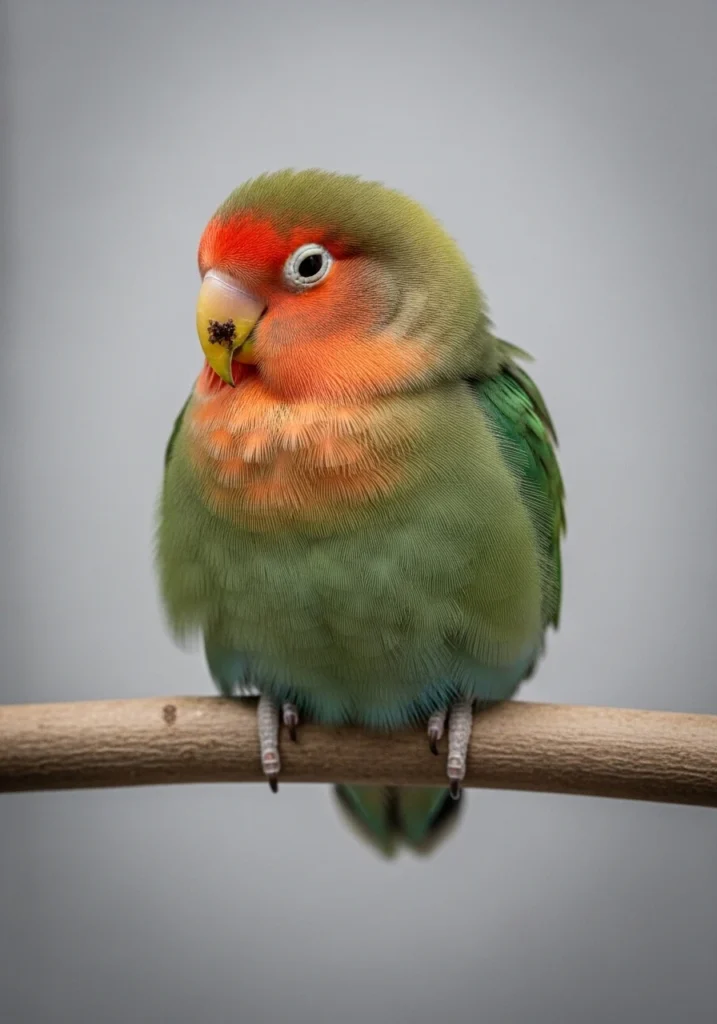
Once you know what healthy looks like, spotting unhealthy becomes much easier. Get into the habit of doing a quick visual check every single day.
Feather Condition and Posture
Healthy birds keep their feathers tight and smooth when they are active and alert.
A bird that is puffed up for extended periods is trying to conserve body heat, which usually means it has a fever or is losing the ability to regulate its temperature.
A puffed bird that is also lethargic is a combination that warrants an immediate call to your avian vet.
Feather condition also matters. Broken feathers, missing patches, or dull plumage can indicate nutritional deficiencies, feather-destructive behavior, or underlying infection.
The occasional broken feather is normal. Widespread dullness or patchy loss is not.
Discharge from Eyes, Nostrils, or Beak
Any discharge from the eyes or nostrils is abnormal. Clear discharge might indicate a mild respiratory irritation; yellow, green, or thick discharge points to infection.
A crust around the nostrils or eyes is also a warning sign, even if there is no active discharge at the time you are looking.
Check the area around the beak and nares (nostrils) regularly. In a healthy bird, these areas should be clean and dry.
In a sick bird, you might notice staining from discharge, or a swollen appearance around the sinuses.
Tail Bobbing
Here is one that many new bird owners miss entirely. Rhythmic tail bobbing, where the tail moves up and down with each breath, is a sign of respiratory distress.
A slight tail movement is normal in some birds after exertion. Constant tail bobbing while at rest is not. If you see this, treat it as urgent.
Changes in Droppings
Nobody loves monitoring bird droppings, but you absolutely should.
Normal droppings consist of three parts: a dark solid portion (feces), white or cream urates, and clear liquid urine. Changes in color, consistency, or volume are meaningful diagnostic clues.
Here is what to watch for:
- Green or yellow urates can indicate liver disease or infection
- Blood in the droppings is always an emergency
- Watery droppings for more than a day or two can indicate infection, stress, or dietary issues
- Complete absence of droppings is a serious emergency, as it can mean a blockage
- Undigested seeds in the droppings may point to a digestive or crop problem
Keep a mental baseline of what your bird’s normal droppings look like. Yes, really. It sounds unglamorous, but it has saved more than a few birds’ lives.
Weight Loss
Birds can lose weight quickly and dramatically when ill, and because of all those feathers, it is often invisible until it is severe.
The best way to monitor weight is to handle your bird regularly and feel the keel bone (the ridge running down the center of the chest).
In a healthy bird, it should feel like a gentle ridge with some muscle mass on either side. If the keel bone feels sharp, like a knife edge, your bird has lost significant weight.
A small kitchen scale set to grams is honestly one of the best tools a bird owner can own. Weigh your bird at the same time each week and log the numbers.
A steady drop over several weeks, even without other obvious symptoms, is worth discussing with a vet.
Eating and Drinking Habits
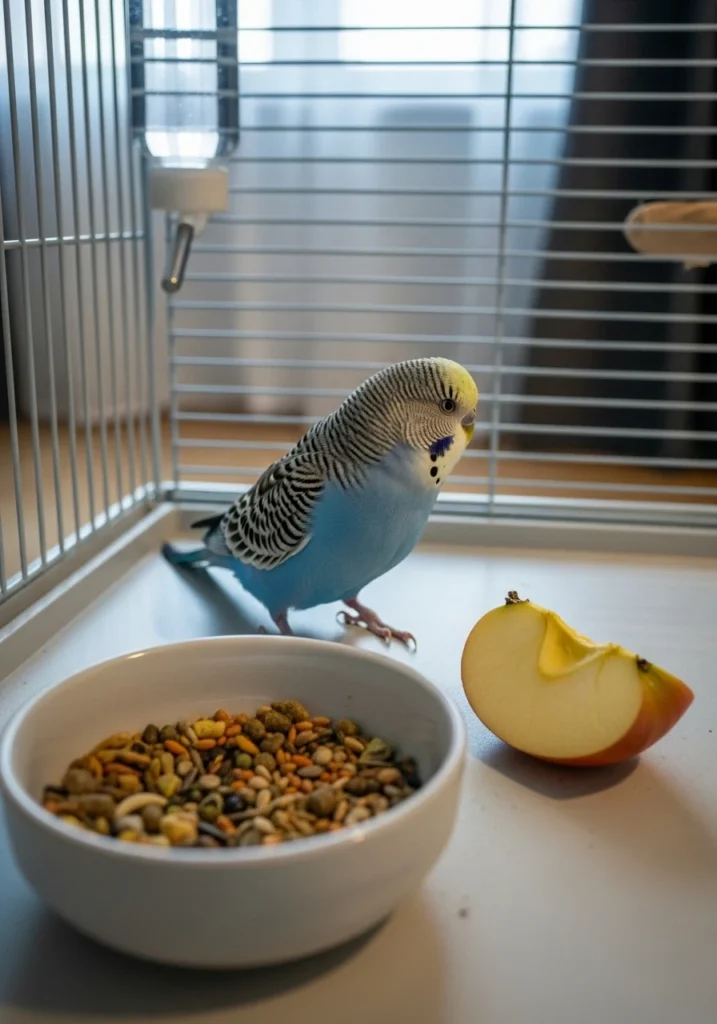
Changes in how much your bird eats or drinks often precede other symptoms.
Reduced Appetite
A bird that normally empties its food dish by midday and suddenly shows no interest in its favorite foods is raising a flag.
Birds have fast metabolisms and cannot afford to go without food for long, so a drop in appetite is never something to dismiss as “just not hungry today.”
Offer favorite treats. If your bird ignores those too, take the concern seriously.
Increased Water Consumption
On the other end, drinking significantly more water than usual can indicate kidney disease, diabetes, or infection.
If you notice your bird at the water dish far more often than normal, and the droppings have become notably more watery, mention it to your vet.
Respiratory Signs: Act Fast
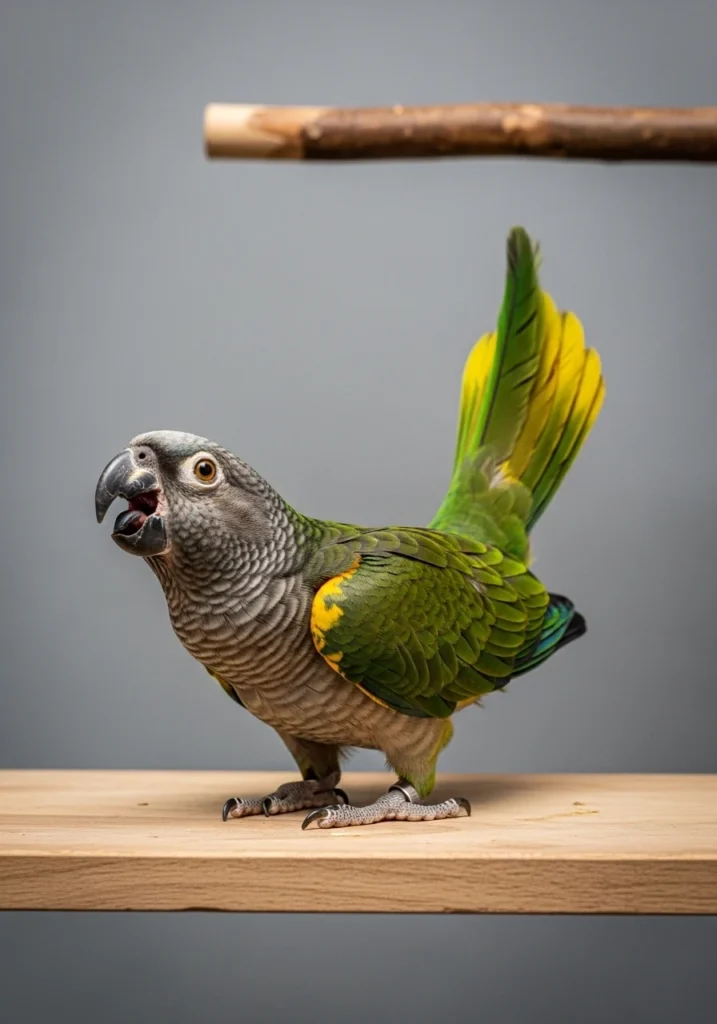
Respiratory illness in birds can escalate terrifyingly quickly. Any signs of breathing difficulty should be treated as urgent, full stop.
Signs of respiratory distress include:
- Open-mouth breathing when the bird is at rest and not overheated
- Clicking or wheezing sounds with each breath
- Tail bobbing, as mentioned above
- A change in the bird’s voice or calls
- Discharge from the nares
- The bird stretching its neck repeatedly as if trying to clear its airway
Respiratory infections can spread through a flock in a matter of days. If you keep multiple birds and one shows these signs, isolate it immediately and contact a vet.
When to Call the Vet
The honest answer is: sooner than you think you need to. Avian vets often say that birds presented early are far easier to treat than birds brought in at the point of obvious crisis.
Call your avian vet when you notice:
- Any combination of the symptoms above lasting more than 24 to 48 hours
- A single severe symptom like blood in droppings, open-mouth breathing, or complete loss of appetite
- Any sudden unexplained behavior change with no environmental cause
- Weight loss of more than 10 percent of the bird’s body weight
If you do not have an avian vet lined up yet, find one before you need one. A general small animal vet may be able to help in an emergency, but an avian specialist is genuinely a different level of expertise.
Building a Daily Observation Routine
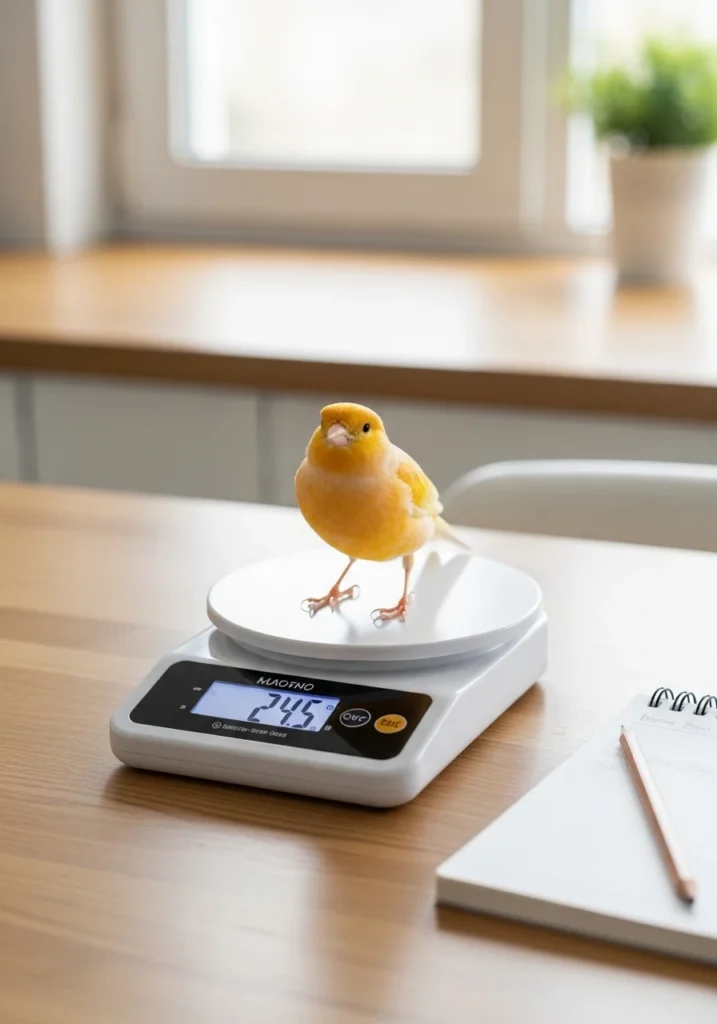
The best thing you can do for your bird is make thorough observation a daily habit. It takes all of two minutes and it could genuinely save your bird’s life.
Here is a simple daily checklist:
- Check posture – Is the bird alert, upright, and active?
- Listen – Is it vocalizing at its normal level?
- Look at the eyes and nares – Any discharge or crusting?
- Check droppings – Normal color, consistency, and volume?
- Observe eating – Is it eating and drinking at its usual rate?
- Handle if possible – Does it feel the right weight? Any lumps, swellings, or resistance to touch?
None of these require a veterinary degree. They just require attention and consistency. The goal is to build a clear picture of your bird’s “normal” so that anything outside that baseline stands out immediately.
Final Thoughts
Birds are extraordinary animals, but they will not ask for help when they are hurting. That job falls to you. The earlier you catch a problem, the better the outcome, almost without exception.
Your bird depends on your ability to notice the small things: the quieter morning, the slightly puffed feathers, the untouched food dish.
You became a bird owner because you love these animals. Staying sharp about their health is simply the next level of that care.
So do the daily check-ins, trust your gut when something feels wrong, and never talk yourself out of calling the vet because you think you might be overreacting.
In bird care, being the person who called too soon is a far better reputation to have than the alternative.
What Are the First Signs of a Sick Bird?
The earliest signs of a sick bird are mainly behavioral. Look for sudden quietness, less vocalization, a drop in activity, or unexpected aggression.
Birds instinctively hide illness, so these subtle changes often appear before any physical symptoms.
If your bird acts differently and nothing has changed in its environment, take that as a signal to pay closer attention.
How Can You Tell If a Bird Is Dying?
A critically ill bird usually shows several severe symptoms at once. These include a complete loss of appetite, trouble perching or standing, open-mouth breathing at rest, and extreme lethargy.
The bird may barely respond to stimulation and have a sharp keel bone due to severe weight loss.
If your bird has any of these signs, treat it as an emergency. Contact an avian vet right away. Time is critical at this stage.
Why Do Birds Hide Their Illness for So Long?
Birds are prey animals by design. Showing weakness in the wild signals vulnerability to predators. This survival instinct means birds hide sickness.
They continue to eat, move, and vocalize normally until they cannot anymore. Domestic birds have the same behavior, even in safe environments.
This is why daily observation is crucial. You can’t wait for a bird to look sick before taking action.
How Often Should You Take a Bird to the Vet for Checkups?
Most avian vets suggest at least one wellness checkup each year for healthy birds. For older birds or those with health histories, aim for two checkups a year.
Annual visits help the vet establish a baseline weight, check organ health, and spot any issues early.
Don’t wait for visible symptoms to book an appointment. Routine checkups are one of the best ways to keep your bird healthy over the long run.
What Should You Do If You Suspect Your Bird Is Sick?
Isolate the bird from your other birds to prevent infection spread. Document your observations, like changes in droppings, appetite, posture, and behavior. This info is very useful for your vet.
Weigh the bird if possible, and note any recent changes in diet or environment. Then, call an avian vet right away. Don’t wait longer than 24 to 48 hours. Birds can quickly worsen once illness progresses.