How to Choose the Right Bird Perch for Your Pet
If you have a pet bird, you know they can be picky. They care about their food, toys, sleep schedule, and perches too.
A good perch isn’t just a spot to sit; it helps their feet stay healthy, keeps their muscles active, and offers security.
If you choose the wrong perch, your bird might get sore feet, have nails that grow too long, or become stressed and refuse to leave the cage floor.
Choosing the right perch can feel overwhelming. You might see many options in a pet store. But once you know what your bird needs, it becomes easier. Let’s go through what you need to know.
Why Bird Perches Matter More Than You Think
Most new bird owners treat perches as an afterthought. They grab whatever comes with the cage and call it a day.
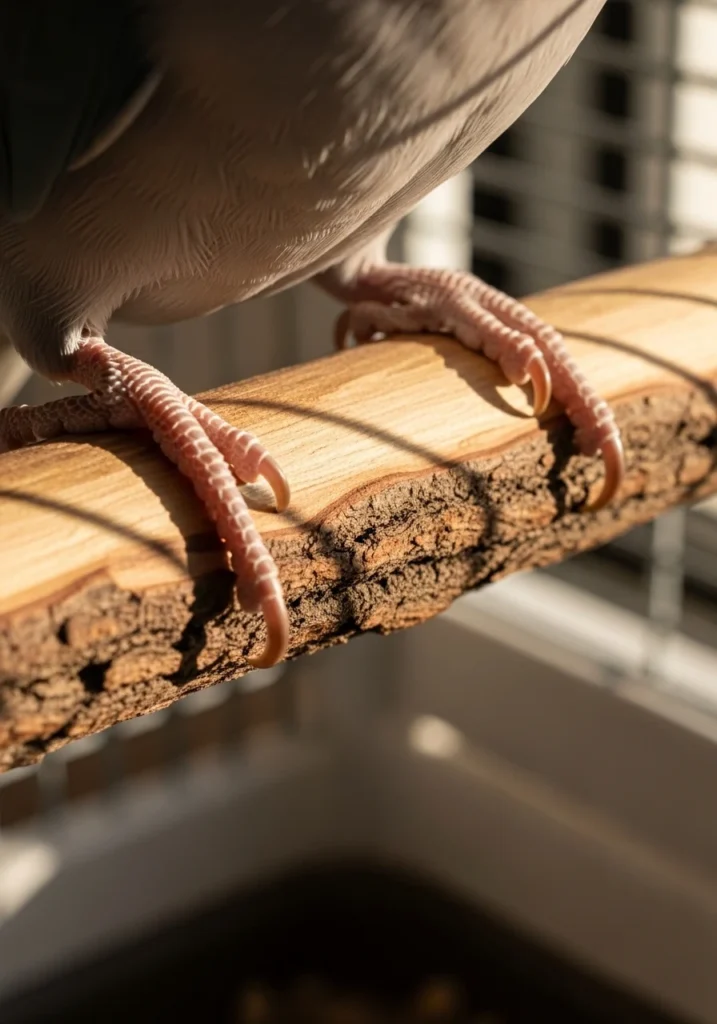
Here is the thing though: your bird spends the majority of its life standing. That means the surface under its feet matters enormously.
Poor perches cause real problems, including pressure sores, overgrown nails, and a condition called bumblefoot, which is a painful bacterial infection that develops from prolonged pressure on the feet.
A good variety of perches, on the other hand, exercises different muscle groups in the feet and keeps your bird both comfortable and healthy.
Think of it this way. If you wore the exact same pair of shoes every single day, your feet would start to protest pretty quickly. Your bird feels the same way about monotonous perching surfaces.
The Different Types of Bird Perches
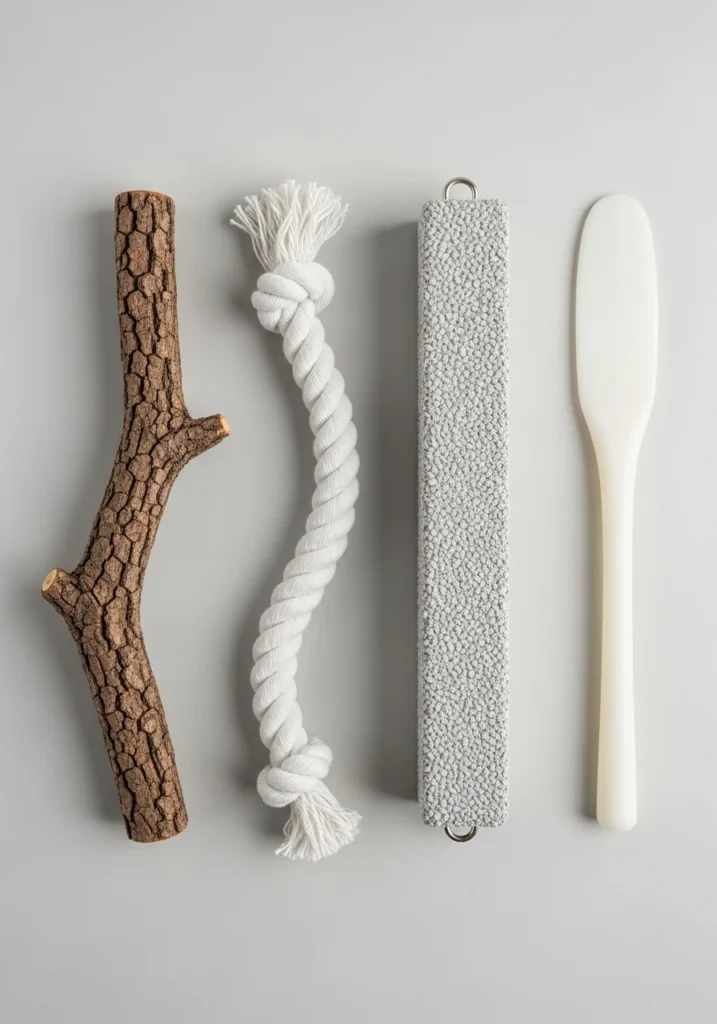
Not all perches are created equal, and that is actually a good thing. Each type serves a specific purpose, and the best bird cages include a mix of several varieties.
Natural Wood Perches
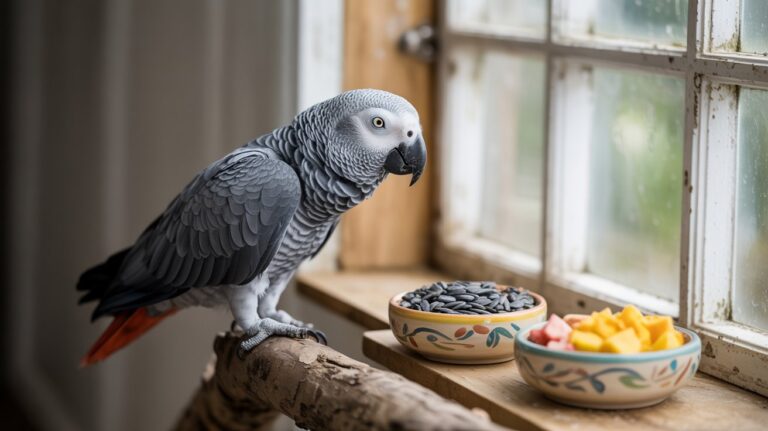
Natural wood perches are the gold standard for most bird owners, and for good reason.
They mimic what birds grip in the wild, offering irregular surfaces that shift the pressure points on your bird’s feet throughout the day.
No two grips feel exactly the same, which keeps the foot muscles working and engaged.
Popular wood types include:
- Manzanita wood for its durability and attractive branching shapes
- Dragonwood for a rougher, more textured surface
- Grapevine wood for a natural, twisted look that birds absolutely love
- Java wood for a sturdy, dense option that heavy chewers struggle to destroy
Always make sure the wood you bring into the cage is bird-safe. Some woods, like oak, cherry, and cedar, contain compounds that are toxic to birds.
When in doubt, stick with commercially sold perches that clearly label their wood source.
Rope and Cotton Perches
Rope perches are soft, flexible, and great for birds that need a gentler surface. They work particularly well for birds recovering from foot injuries or older birds whose feet are more sensitive.
The flexibility of rope perches also means your bird can bend and contort them, which adds a small but fun element of enrichment.
That said, keep an eye on rope perches over time. Frayed ends can catch on nails or, in worst-case scenarios, wrap around a toe.
Inspect them regularly and replace them the moment they start to look ragged.
Cement and Conditioning Perches
Cement perches do double duty. They provide a rough surface that naturally files down your bird’s nails as they grip and move.
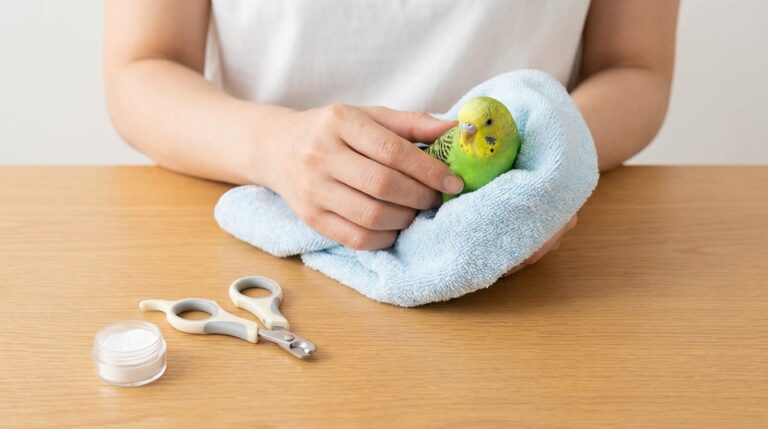
If your bird spends a lot of time on smooth perches, nail trimming becomes a constant chore. A cement perch in the right spot in the cage reduces that frequency significantly.
Position your cement perch near a food or water dish, since that is where your bird will spend the most time gripping consistently.
Just avoid making it the only perch in the cage, because the rough surface on its own is too abrasive for all-day use.
Plastic Perches
Plastic perches are the ones that come standard with most cages, and they are honestly the least exciting option on this list.
They are smooth, uniform, and offer zero variety for your bird’s feet. Most experienced bird keepers replace these almost immediately.
If you have plastic perches in your cage right now, do not feel too guilty. Just supplement them with better options and maybe use them as backup perches rather than primary ones.
Sandy and Mineral Perches
Sandy perches are similar to cement perches in that they help with nail maintenance. Mineral perches go a step further by providing trace minerals your bird can nibble on.
Birds naturally peck at mineral deposits in the wild, so a mineral perch satisfies both that behavioral urge and gives them a light nutritional boost.
These work best in cages where birds tend to chew everything in sight, since the nibbling becomes purposeful rather than destructive.
How to Choose the Right Perch Size
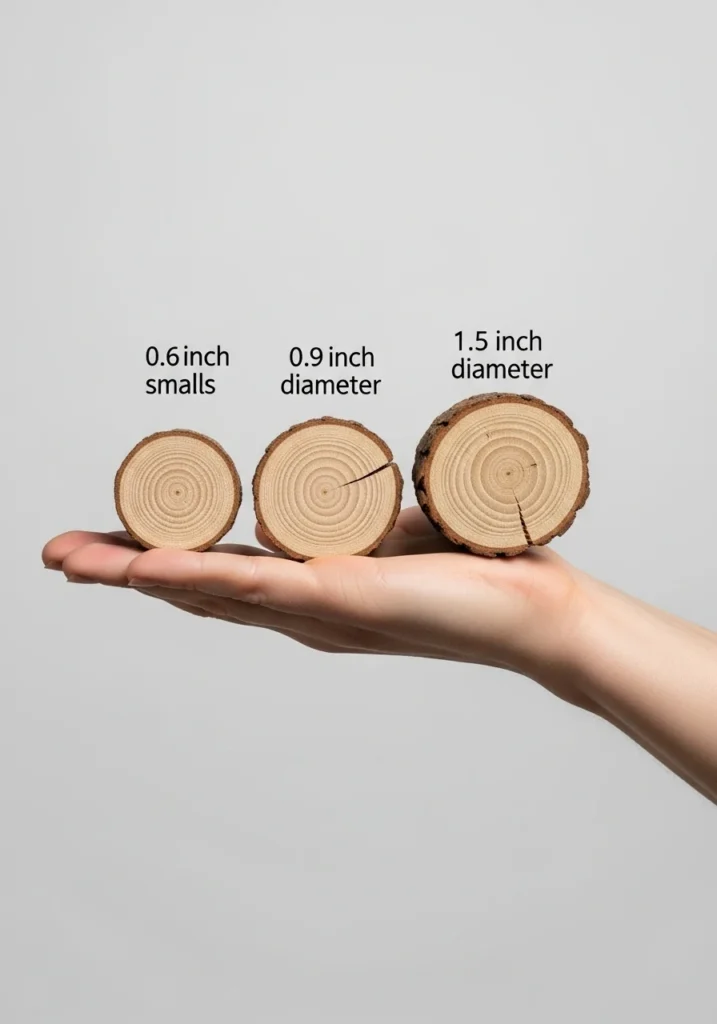
Here is something most bird guides gloss over: perch diameter matters just as much as perch material.
A perch that is too thin causes your bird’s toes to wrap all the way around and overlap, which creates unnecessary strain. A perch that is too thick prevents proper gripping entirely.
The general rule is that your bird’s foot should wrap about three-quarters of the way around the perch. The nails should not touch the bottom of the perch. Here is a quick size guide based on bird type:
- Small birds like budgies, canaries, and finches: 0.5 to 0.75 inches in diameter
- Medium birds like cockatiels, lovebirds, and conures: 0.75 to 1 inch in diameter
- Large birds like African greys, Amazons, and eclectus: 1 to 1.5 inches in diameter
- Extra-large birds like macaws and cockatoos: 1.5 to 2 inches or more
Natural wood perches help here because their irregular diameters mean different sections of the same perch offer different grip widths. Your bird self-selects where to sit based on what feels comfortable.
Where to Place Perches Inside the Cage
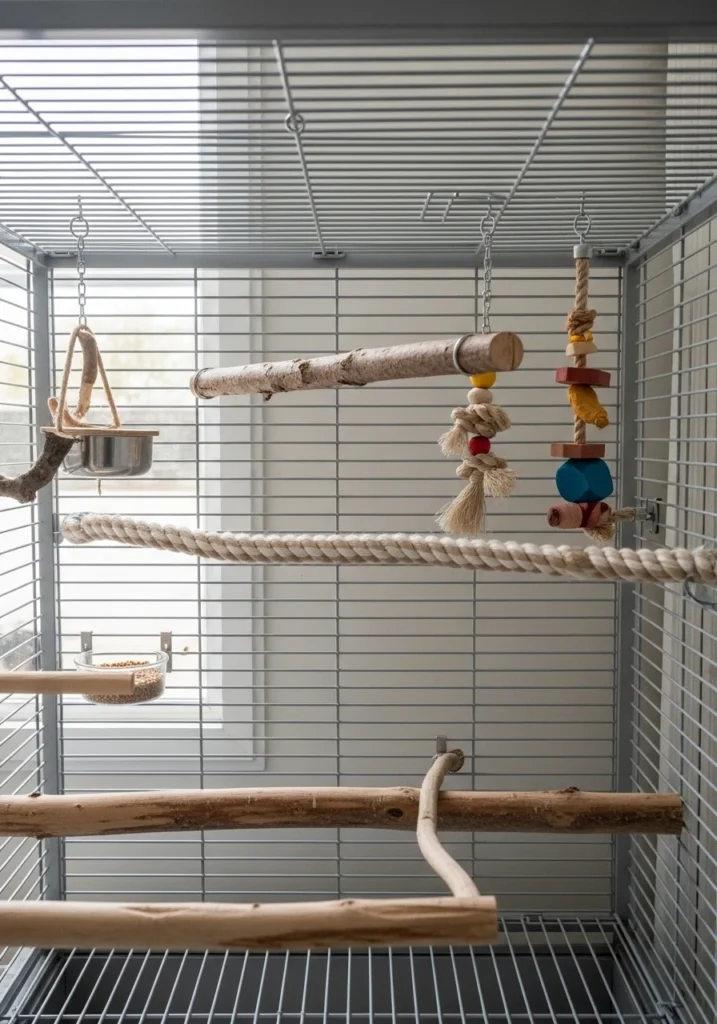
Placement is where a lot of bird owners make avoidable mistakes. You want your bird to move around the cage, not just park itself on one perch and stare at the wall all day.
A few placement principles to follow:
- Place the highest perch at least a few inches below the cage ceiling so your bird does not bump its head
- Keep at least one perch near the food and water dishes but not directly over them, since birds soil whatever sits below them
- Space perches at different heights to encourage climbing and movement
- Avoid placing two perches directly above each other for the same droppings-related reason
- Position a comfortable perch near a window or the most stimulating part of the room so your bird has something interesting to watch
Variety in placement creates variety in activity. A bird that has to move between perches at different heights is a bird that gets exercise and mental stimulation throughout the day.
Best Perches for Specific Bird Species
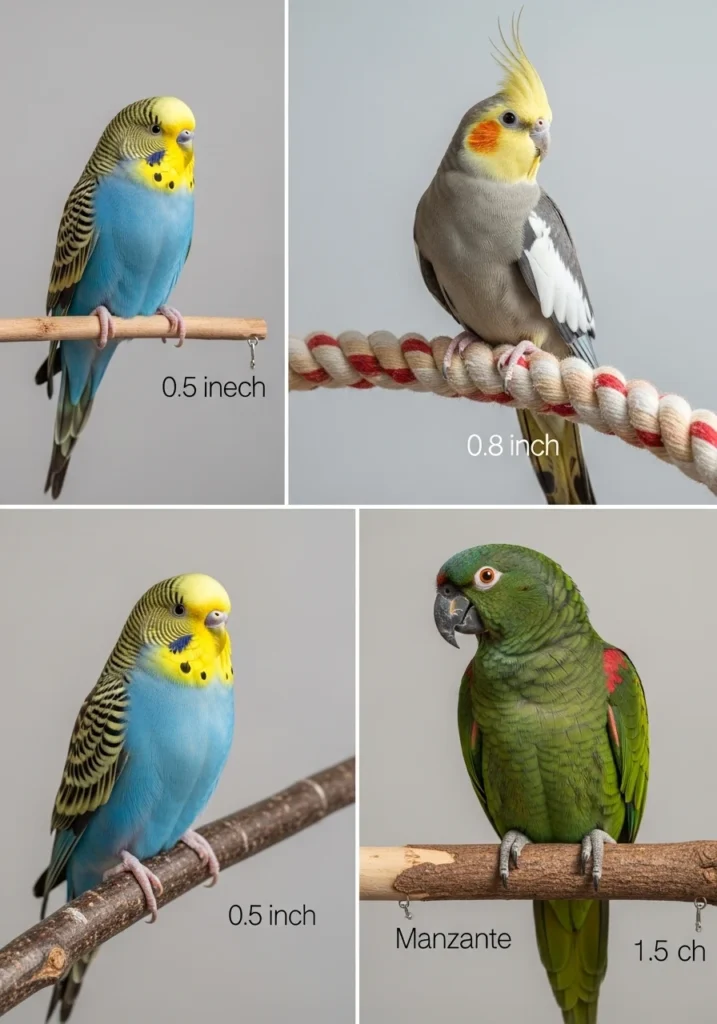
Different birds have different needs, and what works brilliantly for one species might be completely wrong for another.
Best Perches for Budgies and Small Birds
Budgies are light, quick, and love to hop around constantly. They do well with thin natural wood perches, rope perches, and small swings.
Keep the diameter small and place multiple perches at various heights to satisfy their love of movement.
Best Perches for Cockatiels
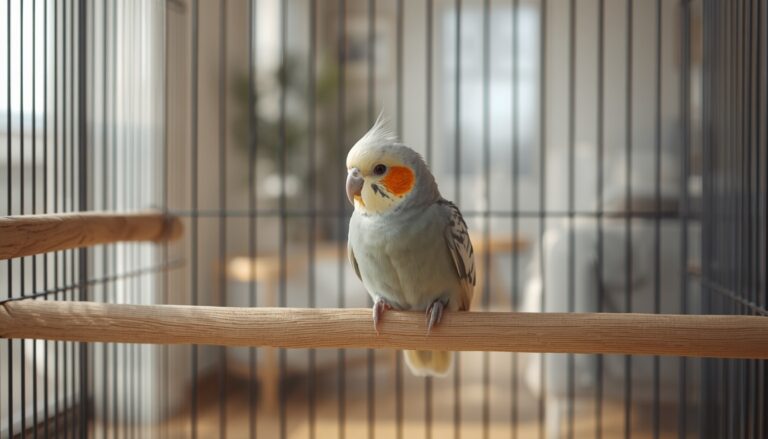
Cockatiels are social and curious birds that enjoy textured surfaces. Natural wood branches, rope perches, and a single cement perch work very well together.
Cockatiels also love perches placed near the front of the cage, since they enjoy watching household activity.
Best Perches for Parrots and Large Birds
Large parrots need sturdy, thick perches that can handle serious grip strength and habitual chewing. Manzanita, dragonwood, and java wood perches are popular choices because they hold up well.
Rope perches work too, but choose thicker, reinforced versions made specifically for larger birds.
Signs Your Bird Dislikes Its Perches
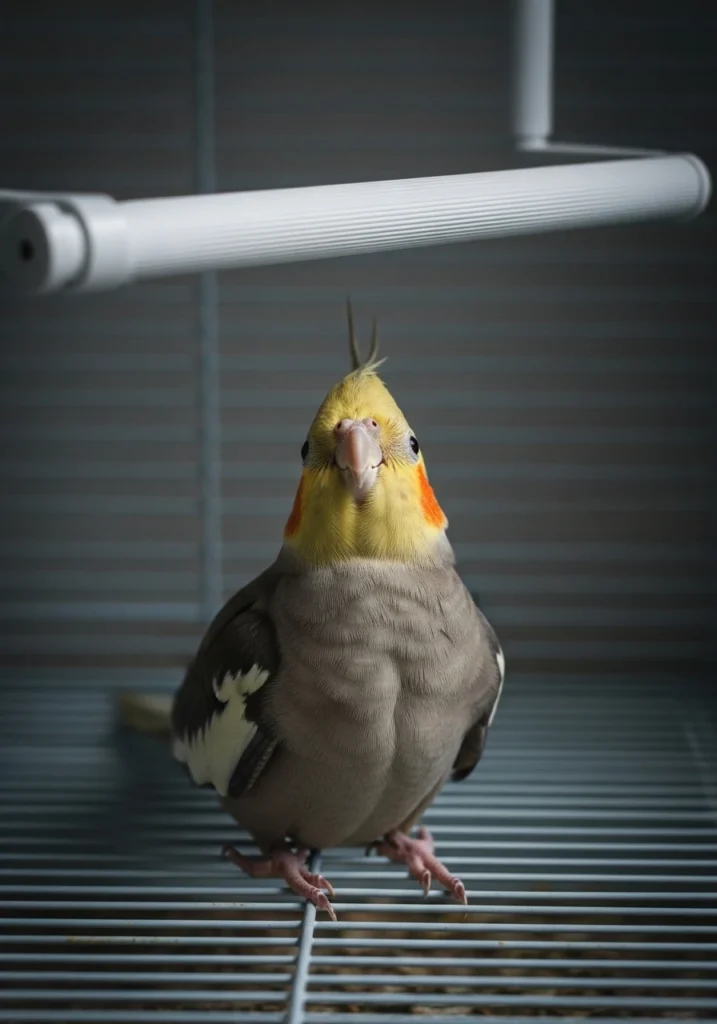
Your bird cannot exactly file a formal complaint, but it will absolutely let you know something is wrong. Watch out for these behaviors:
- Constantly shifting weight from foot to foot while resting
- Sitting on the cage floor instead of using perches
- Overgrown or cracked nails from insufficient grip variation
- Redness or sores on the bottom of the feet
- Refusing to use a specific perch that you placed in the cage
If you notice any of these signs, it is time to reassess the perch setup. Sometimes a simple swap solves the problem entirely.
Building the Perfect Perch Setup
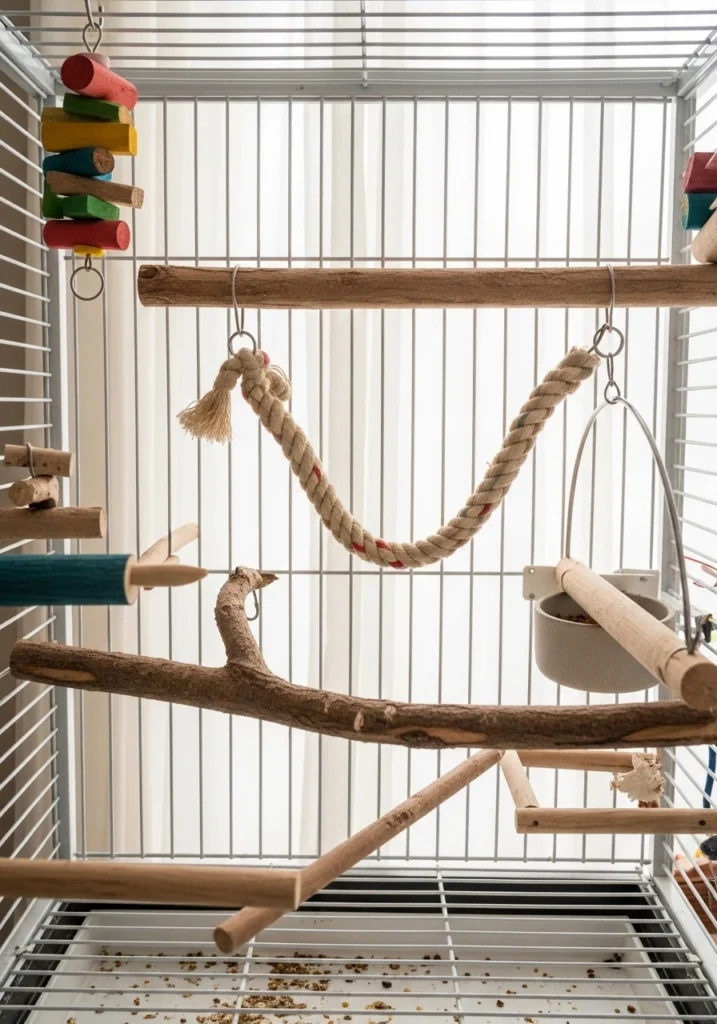
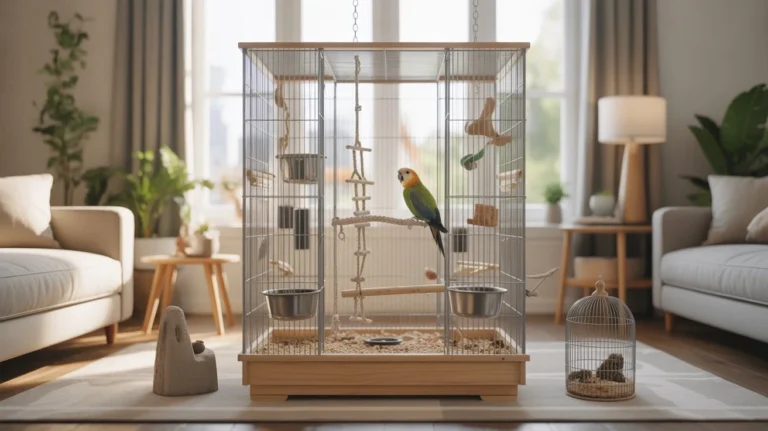
The ideal cage does not rely on just one type of perch. A thoughtfully put-together setup might look something like this:
- One or two natural wood perches of varying diameters as the primary perching options
- One rope or cotton perch for softer, flexible grip
- One cement or sandy perch placed near a food dish for nail maintenance
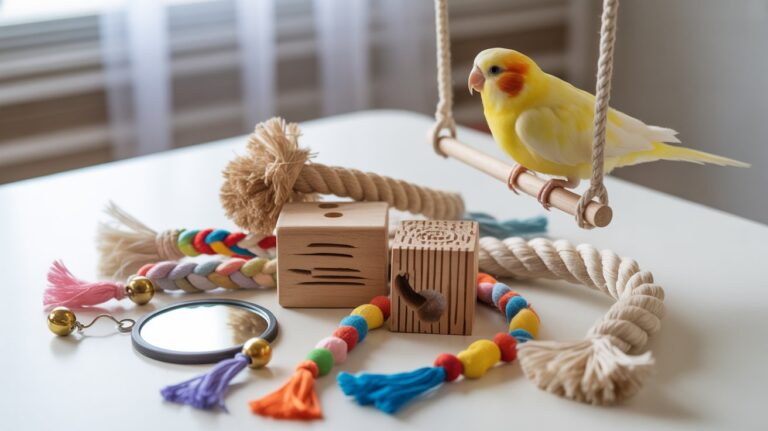
- A swing or flexible perch for enrichment and play
Rotate perches occasionally, replace worn ones promptly, and clean all perches regularly. Birds are surprisingly clean creatures, and they notice when their environment is fresh versus grimy.
Final Thoughts
At the end of the day, the best bird perches are the ones that keep your bird active, comfortable, and mentally engaged.
It sounds simple, but when you look around at how many cage setups rely entirely on plastic perches that came with the cage, clearly it is advice worth repeating.
Start with a natural wood perch, add some variety in texture and diameter, and pay attention to how your bird responds. Your bird will tell you what it likes. You just have to pay attention.
And if your bird rejects every single perch you lovingly install and instead chooses to sit on top of the cage door, well, that is just birds for you.
What Are the Best Bird Perches for Parrots?
The best perches for parrots are natural wood options like manzanita, dragonwood, or java wood. These materials can handle the strong grip and chewing habits of parrots.
Combine a thick wood perch with a rope perch and a cement perch for nail care. This setup covers all your needs.
How Many Perches Should a Bird Cage Have?
Most bird cages need at least three to four perches of different types and sizes. Having only one or two perches limits your bird’s movement and strains the same foot muscles.
A good mix includes a natural wood perch, a rope perch, and a cement or sandy perch. Place them at different heights to encourage climbing and activity all day.
What Size Perch Does My Bird Need?
The right perch size depends on your bird’s species and foot size. Generally, your bird’s toes should wrap about three-quarters around the perch. The nails shouldn’t touch the underside.
Small birds, like budgies, do well with perches between 0.5 and 0.75 inches in diameter. Large birds, like macaws, need perches that are 1.5 inches or thicker.
How Often Should You Replace Bird Perches?
Replace bird perches when they show wear, fraying, or dirt that won’t clean off. Check rope perches often. Frayed ends can snag your bird’s nails or toes.
Natural wood perches last longer but should be replaced if they get very dirty or damaged. A good habit is to visually check them every week.
Are Plastic Perches Bad for Birds?
Plastic perches aren’t dangerous, but they aren’t the best choice for primary use. Their smooth surface lacks grip variation, which can cause foot fatigue and sores over time.
Many experienced bird owners use plastic perches as backups. They prefer natural wood, rope, and cement perches as the main options in their birds’ cages.