Why Older Birds Need a Flat Perch in Their Cage
If you share your home with a senior bird, you know they have strong opinions. They have favorites in food, schedule, and even where they sit on your shoulder.
However, there’s one thing they can’t say: their feet hurt. The standard round perch in their cage might be making it worse.
This article explains why flat perches are important for aging birds, what happens to their feet and joints over time, and how one simple upgrade can improve their quality of life.
Caring for a senior bird is rewarding but comes with a learning curve. Older birds have different needs than younger ones. One often overlooked need? Proper foot support.
What Actually Happens to a Bird’s Feet as They Age
The Anatomy Behind the Problem
Here is something most bird owners do not think about until there is a problem: birds have remarkably complex feet.
Tendons, joints, scales, and pressure points all work together every single time your bird grips a perch.
When your bird is young and healthy, that constant gripping is no big deal. But as birds age, that repetitive pressure becomes a real issue.
Older birds frequently develop arthritis, gout, and general joint stiffness. These conditions make gripping a round perch not just uncomfortable but genuinely painful.
Think about it this way: if you had sore, stiff knuckles, the last thing you would want to do is squeeze a cylinder for hours on end.
That is exactly what you are asking your senior bird to do every single day if you only give them round dowel perches.
The tendons in a bird’s foot also lose some of their elasticity with age.
This makes full grip strength harder to maintain, which means your bird has to work harder just to stay balanced on a round perch.
That extra effort, multiplied across every hour of every day, adds up fast.
Bumblefoot: The Condition You Really Want to Avoid
Bumblefoot (technically called pododermatitis) is a painful condition where pressure sores develop on the bottom of a bird’s feet.
Round perches are a notorious contributor because they focus all of the bird’s weight on one small point of contact.
Senior birds are far more susceptible because their skin loses some of its resilience over time and their immune systems are not quite what they used to be.
Early bumblefoot looks like a small red or swollen spot on the foot pad. Left untreated, it can progress into a serious infection that is genuinely difficult to treat.
The good news? Flat perches dramatically reduce the risk by spreading your bird’s weight across a much larger surface area, relieving pressure on those vulnerable spots.
Shop Flat Perches for Senior Birds on Amazon
Why Flat Perches Are a Game-Changer for Senior Birds
Even Weight Distribution Changes Everything
A flat perch lets your bird stand with their foot in a more natural, relaxed position. Instead of constantly gripping and engaging every tendon and joint, they can simply stand and rest.
For a bird dealing with arthritis or general joint soreness, this is not a luxury. It is a necessity.
The weight distribution on a flat surface means no single point of the foot absorbs all the pressure.
Your bird’s entire foot sole makes contact with the perch, which is far gentler on aging tissue.
Many bird owners who switch to flat perches for their older birds notice almost immediately that the bird spends more time standing and moving around, rather than sitting hunched and reluctant to shift positions.
Better Balance Means More Confidence
Senior birds sometimes develop balance issues.
Muscle weakness, neurological changes, or simple age-related coordination decline can all make a standard round perch feel like a tightrope.
A flat perch gives them a stable platform where they do not have to work as hard to stay upright.
A bird that feels secure on their perch is a bird that behaves more normally. They explore more, vocalize more, and engage with you more.
When a bird is constantly fighting to maintain balance, they become withdrawn and stressed. That stress compounds the physical health issues they are already dealing with.
Flat perches help break that cycle.
Nail and Joint Health Over the Long Term
Round perches, especially smooth wooden dowels, do not provide the varied surface contact that keeps nails worn to a healthy length.
This might seem like a minor thing, but overgrown nails in older birds become a serious hazard.
Long nails catch on cage bars, toys, and fabric, and a bird with stiff joints that falls and cannot recover quickly is at real risk of injury.
Flat perches, particularly those made from natural wood or those with a textured surface, help maintain nail length more naturally.
They also encourage your bird to shift their weight and reposition their feet more often, which keeps joints moving and reduces stiffness over time.
Think of it as low-impact physical therapy built right into their cage setup.
Choosing the Right Flat Perch for Your Older Bird
Material Matters More Than You Think
Not all flat perches are created equal. Here is a quick breakdown of the most common materials and how they stack up for senior birds:
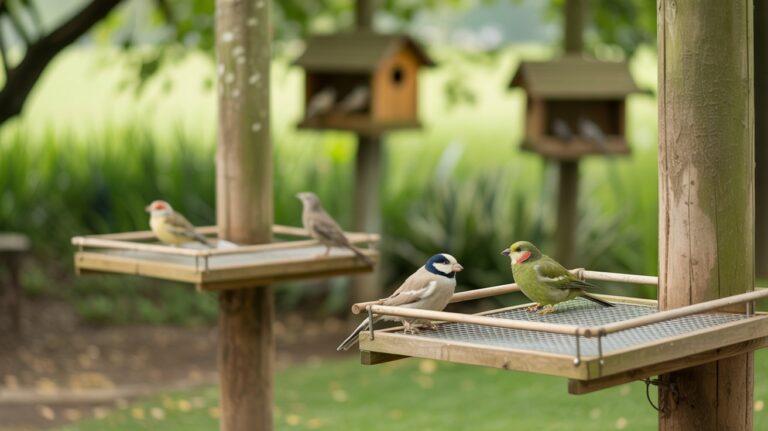
- Natural wood flat perches: These are generally the best option. They provide a slightly irregular surface that keeps feet active without being harsh. Look for untreated, bird-safe wood like manzanita, java wood, or pine.
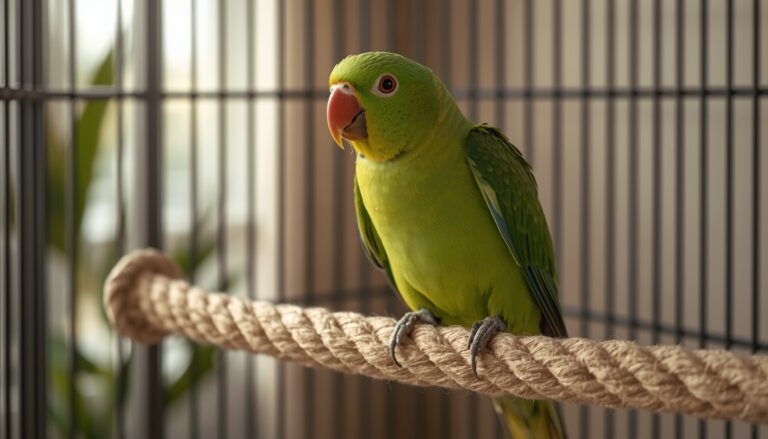
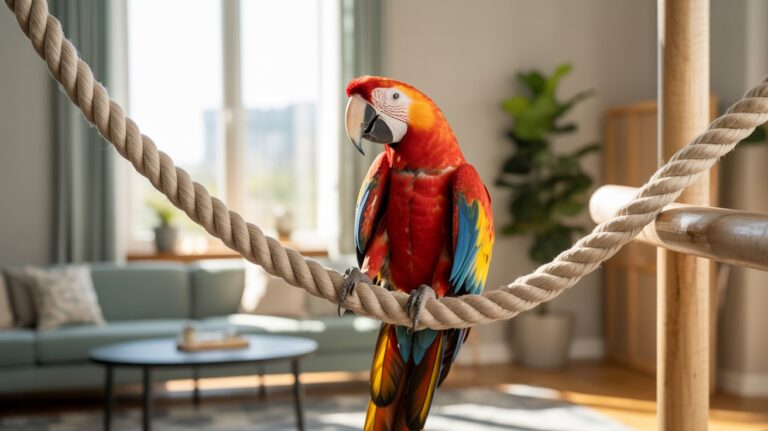
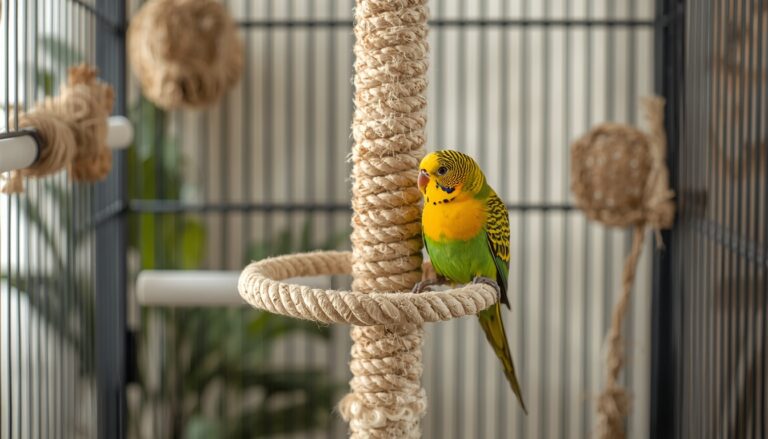
- Rope flat perches or platforms: Soft rope platforms are excellent for birds with very sore or sensitive feet. They offer cushioning and a forgiving surface. Just make sure the rope fibers are intact and not fraying, as loose threads can catch toes.
- Plastic flat platforms: These work in a pinch but are not ideal long-term. They can get slippery, especially if your bird has any reduced grip strength.
- Calcium or mineral perches (flat style): These serve double duty by supporting nail and beak health, but they can be rough on already-sensitive feet. Use these in combination with softer options rather than as the only flat surface.
Browse Bird-Safe Flat Perches and Platforms on Amazon
Sizing: Get This Right
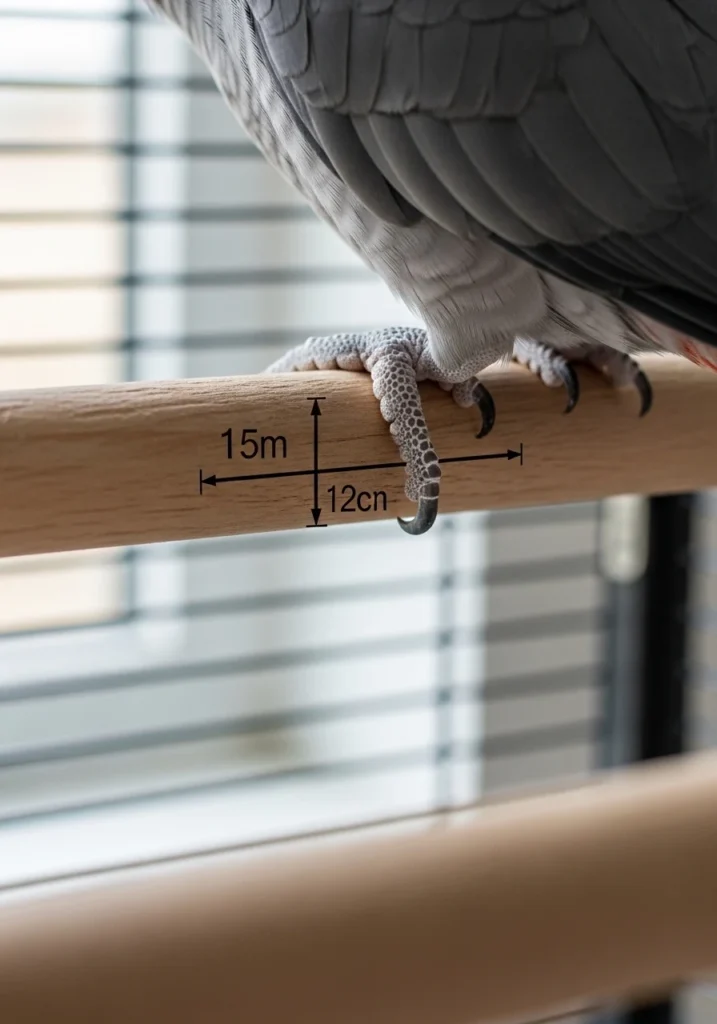
A flat perch that is too narrow defeats the whole purpose. You want your bird’s foot to rest comfortably with the toes slightly extended, not gripping tightly.
A good rule of thumb: the perch width should be roughly one and a half times the length of your bird’s foot.
For larger parrots like African Greys or Amazons, this means a platform that is several inches wide.
For smaller birds like cockatiels or lovebirds, a narrower flat perch still provides much more contact surface than a round dowel.
Placement in the Cage
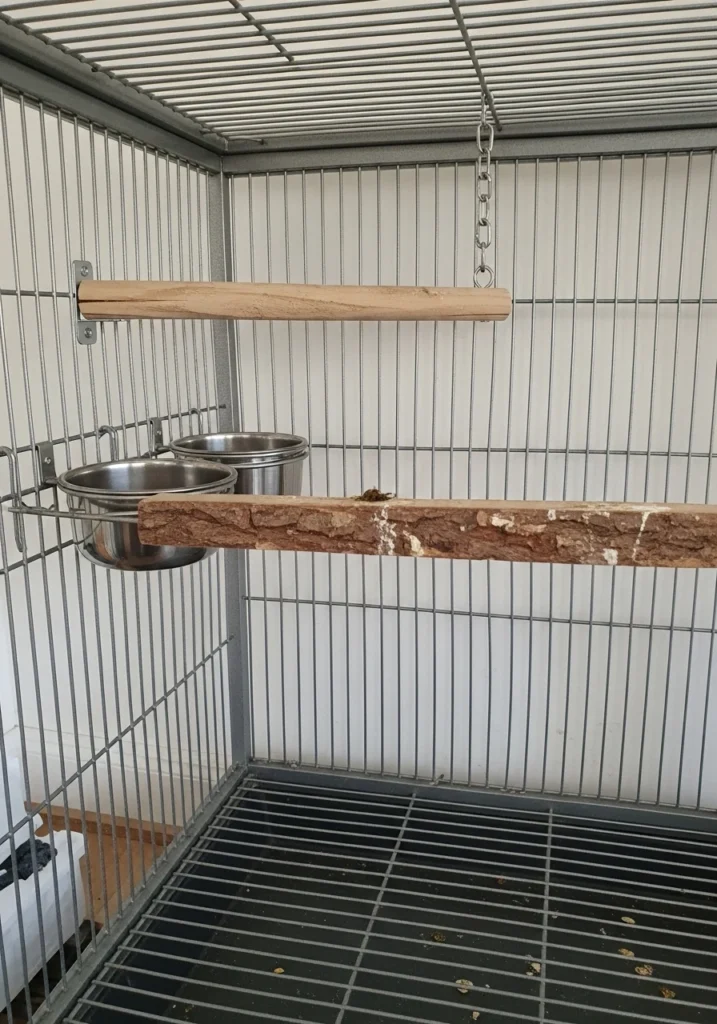
Where you put the flat perch matters just as much as which one you choose. A few placement tips for senior birds:
- Place the flat perch at a comfortable mid-level height, not at the very top of the cage. Older birds that fall have farther to go from a high perch, and the impact is harder on aging bones.
- Position it near food and water bowls so your bird does not have to travel far after eating. Reduced mobility is real in older birds, and convenience helps them maintain their routines.
- Avoid placing it directly below other perches where droppings can land and create a hygiene issue. Nobody wants that, including your bird.
- Make sure the flat perch is stable and does not wobble. A wobbly perch defeats the whole purpose of giving your bird a secure place to stand.
Complementing the Flat Perch with Other Senior-Friendly Adjustments
A Perch Upgrade Works Best as Part of a Bigger Picture
Switching to a flat perch is a great start, but senior bird care is really about looking at the whole environment. A few other changes that pair beautifully with a flat perch upgrade:
- Lower the overall cage layout. Move food, water, and favorite perches closer together and at a lower height to reduce the climbing your bird needs to do.
- Add softer landing zones. A thick layer of paper bedding or a soft mat at the cage bottom gives your bird a gentler landing if they do fall.
- Reduce the distance between perches. Older birds with reduced jump strength and confidence benefit from shorter hops between perches.
- Maintain a consistent temperature. Cold environments worsen arthritis symptoms. Senior birds do better in a warm, draft-free space.
Find Senior Bird Cage Accessories and Comfort Supplies on Amazon
When to Talk to Your Vet
A flat perch is not a substitute for veterinary care.
If your bird is showing signs of significant foot pain, like limping, reluctance to perch, swollen joints, or visible sores, please get them in front of an avian vet.
These symptoms can indicate conditions that need medical treatment alongside environmental adjustments.
Your vet can also confirm whether your bird is showing early signs of arthritis or gout and recommend anti-inflammatory support or dietary changes that complement what you are doing at home.
The Simple Truth About Flat Perches and Senior Bird Welfare
Here is the bottom line: your older bird has spent years being a wonderful, quirky, demanding little companion.
They deserve a cage setup that works with their aging body, not against it.
A flat perch is one of the easiest, most affordable changes you can make, and the impact on your bird’s comfort and happiness is genuinely significant.
You would not ask your elderly grandparent to stand on a balance beam for sixteen hours a day.
So why keep asking your senior bird to grip a round dowel when their joints are aching and their balance is not what it used to be?
Make the switch, add a flat perch at a sensible height, pair it with a few other senior-friendly tweaks, and watch your bird settle into a much more comfortable daily routine.
They might not thank you in words. But the extra time they spend moving around, exploring, and engaging with you will say everything you need to hear.
At What Age Should I Switch My Bird to a Flat Perch?
Most birds start showing joint stiffness and less grip strength by 10 to 12 years old. This is common in smaller species like cockatiels and happens later in larger parrots.
You don’t need to wait for these signs. Adding a flat perch with your bird’s current perches is a smart preventive move from middle age onward.
If your bird shows discomfort, avoids movement, or has foot swelling, switch to the flat perch immediately and consult an avian vet.
Can a Flat Perch Replace All Other Perches in the Cage?
A flat perch should be part of a varied setup, not the only choice. Birds need different perches. This variety keeps their foot muscles active and prevents pressure on the same spots.
For older birds, the flat perch should be the main resting place, especially near food and water. You can also add one or two softer or natural wood perches for variety and light activity.
What Is the Best Material for a Flat Perch for Senior Birds?
Natural, untreated wood flat perches are best for senior birds. They have a slightly textured surface that helps nail health and is gentle on sensitive feet.
For birds with foot sores or bumblefoot, a soft rope platform offers extra cushioning. Avoid smooth plastic flat perches as the main choice.
They provide little grip for birds with weak muscles. The ideal setup combines a natural wood flat perch with a soft rope platform for the best comfort.
How Do I Know If My Bird’s Feet Are Hurting on Their Current Perch?
Watch for these signs: your bird shifts its weight from foot to foot often, seems hesitant to move, sits on the cage floor more than usual, holds one foot up while resting, or shows redness or swelling on the foot pads.
If your active bird now stays hunched in one spot, it may have foot pain. Any redness, lesions, or swelling on the foot pads needs a vet visit, as these can be early signs of bumblefoot.
Do Flat Perches Help With Bumblefoot in Birds?
Yes, flat perches help prevent and manage bumblefoot. Round perches focus a bird’s weight on a small area, leading to pressure sores.
A flat perch spreads weight evenly across the foot, lowering the risk of lesions.
For birds with bumblefoot, avian vets often recommend a soft flat perch or rope platform as part of their recovery, along with medical treatment.