High Protein Egg Food for Breeding Birds
If you breed birds, you know feeding season is crucial. Your birds work hard, and what you feed them affects their ability to raise healthy chicks.
High-protein egg food is key for breeding birds. It sets experienced keepers apart from those puzzled by empty nest boxes.
I have kept finches, canaries, and softbills for years. Egg food has always been part of my breeding setup.
Once you see its benefits, you’ll wonder how you managed a breeding season without it.
Why Protein Is the Cornerstone of Breeding Success
Let’s get one thing straight: protein is not optional during breeding season. It is the building block for everything that happens during this critical period.
From the development of eggs inside the hen to the rapid growth of chicks in the nest, protein drives the entire process.
When a hen lays an egg, she is essentially transferring her own body’s resources into that shell. If her diet lacks sufficient protein, she pulls from her own muscle and tissue reserves.
That is a fast track to a weak, depleted hen who abandons the nest before the chicks even fledge.
And the chicks? A nestling’s growth rate is genuinely astonishing. In many small species, chicks double or triple their body weight within the first week of life.
They cannot do that on seeds alone. They need dense, digestible protein delivered consistently from hatch day onward.
The Role of Amino Acids
Not all protein is created equal, and this is where egg food earns its spot in the feeding station.
Eggs contain a near-perfect profile of essential amino acids, including methionine, lysine, and tryptophan.
These are the ones birds cannot synthesize on their own. They have to eat them.
Methionine, in particular, plays a huge role in feather development. Lysine supports muscle growth in growing chicks.
When your egg food formula delivers a complete amino acid profile, you give your birds every tool they need to raise a strong, healthy clutch.
What Makes Egg Food So Effective for Breeding Birds
You might wonder: why eggs specifically? Why not just offer more insects or a high-protein pellet?
The answer is partly tradition, partly science. Egg yolk delivers fat-soluble vitamins like A, D, and E alongside protein. Vitamin A supports immune function and mucous membrane health in chicks.
Vitamin D helps with calcium absorption, which is critical for proper skeletal development. Vitamin E acts as an antioxidant and supports reproductive health in both hens and cocks.
Egg white adds the protein punch, particularly albumin, which is one of the most bioavailable protein sources you can offer a bird.
When you combine yolk and white, you get a remarkably complete food that covers multiple nutritional bases simultaneously.
Carbohydrate Balance in Egg Food Mixes
A lot of commercial egg food products blend egg with biscuit, breadcrumbs, or ground grains. This is not filler.
The carbohydrates provide quick energy, which breeding pairs burn through at a ridiculous rate.
Think about what a cock bird does during breeding season: he sings for hours, courts the hen, feeds the female on the nest, and then helps feed the chicks. He needs fuel, not just protein.
A good egg food mix delivers protein for tissue building and carbohydrates for energy. That balance keeps your birds active and engaged throughout the breeding cycle.
How to Choose the Right High Protein Egg Food
Walk into any specialist bird shop or browse an online avicultural supplier, and you will find a dozen different egg food products staring back at you.
Here is how to separate the good from the not-so-good.
Check the Protein Percentage
Always read the label. A quality breeding egg food should contain at least 18 to 22 percent crude protein in its dry analysis.
Some premium formulations push closer to 25 percent, which is ideal for species like waxbills, gouldians, and other softbills that have higher protein demands during breeding.
If a product lists protein below 15 percent, it is probably better suited as a maintenance food rather than a breeding supplement.
Shop High Protein Egg Food for Breeding Birds on Amazon
Look at the Ingredient List
The first ingredient should be egg or egg powder. If it reads “wheat flour” or “corn starch” first, the product is mostly filler with a token amount of egg.
That is not what you want when your birds are trying to raise chicks.
Quality egg food products list ingredients like:
- Whole egg powder or dried egg
- Skimmed milk powder (adds protein and calcium)
- Wheat germ (rich in vitamin E and essential fatty acids)
- Dried insects or insect meal (excellent for high-protein species)
- Brewer’s yeast (B vitamins and amino acids)
Dry vs. Soft Egg Food
This is a debate that has gone on in avicultural circles for decades, and both sides make valid points.
Dry egg food is convenient, stores easily, and poses less risk of spoilage in warm weather.
Soft or moist egg food tends to be more palatable to birds and is closer in texture to natural food sources.
My personal preference is to use dry egg food as a base and moisten it slightly with water or fresh carrot juice before offering it.
This approach gives you the storage convenience of the dry product with the palatability of a moist mix.
Chop a little fresh carrot finely and mix it in, and you have added beta-carotene on top of everything else. Your birds will not complain.
Browse Top-Rated Egg Food Mixes for Breeding Birds on Amazon
Making Your Own High Protein Egg Food at Home
You do not have to buy commercial egg food if you prefer to control exactly what goes into your birds’ diet.
Homemade egg food is straightforward and costs less than most commercial products once you source your ingredients.
A Simple Base Recipe
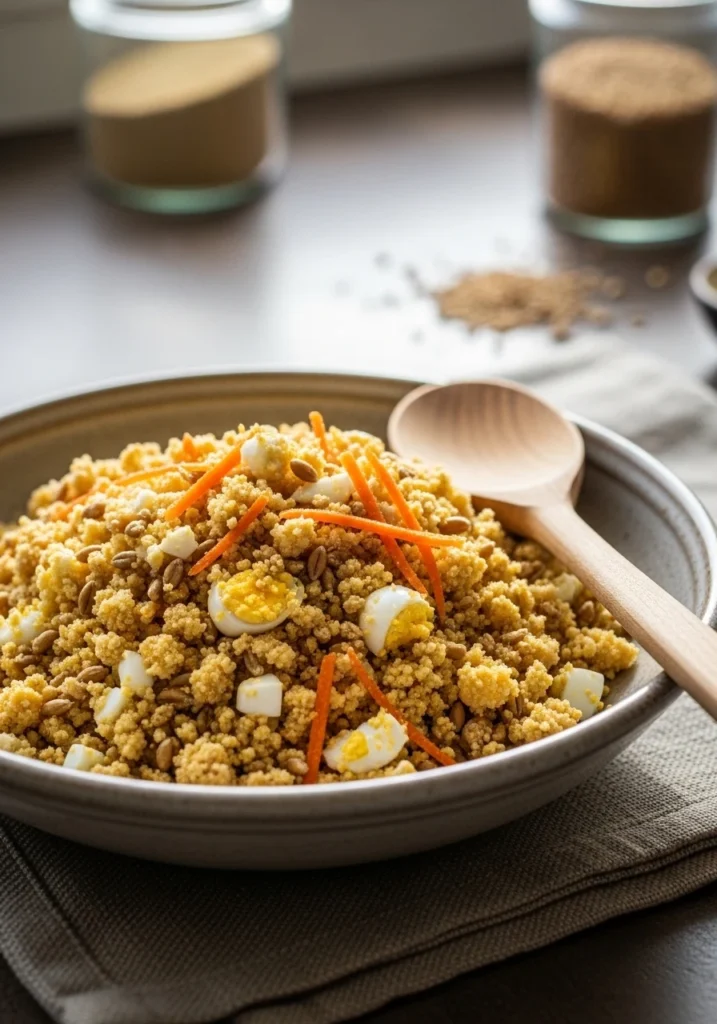
Here is a reliable starting point that works well for canaries, finches, and similar species:
- 2 hard-boiled eggs (including yolk)
- 1 tablespoon of fine breadcrumbs or crushed plain biscuit
- 1 teaspoon of wheat germ
- A pinch of dried spirulina or brewer’s yeast
- Finely grated carrot (about a teaspoon)
Mash the eggs thoroughly, combine all ingredients, and mix until you get a crumbly consistency. It should not be wet or soggy.
Offer it fresh and remove any uneaten portions after four to six hours to prevent spoilage.
Find Quality Egg Food Ingredients for Your Breeding Birds on Amazon
Boosting Protein for Demanding Species
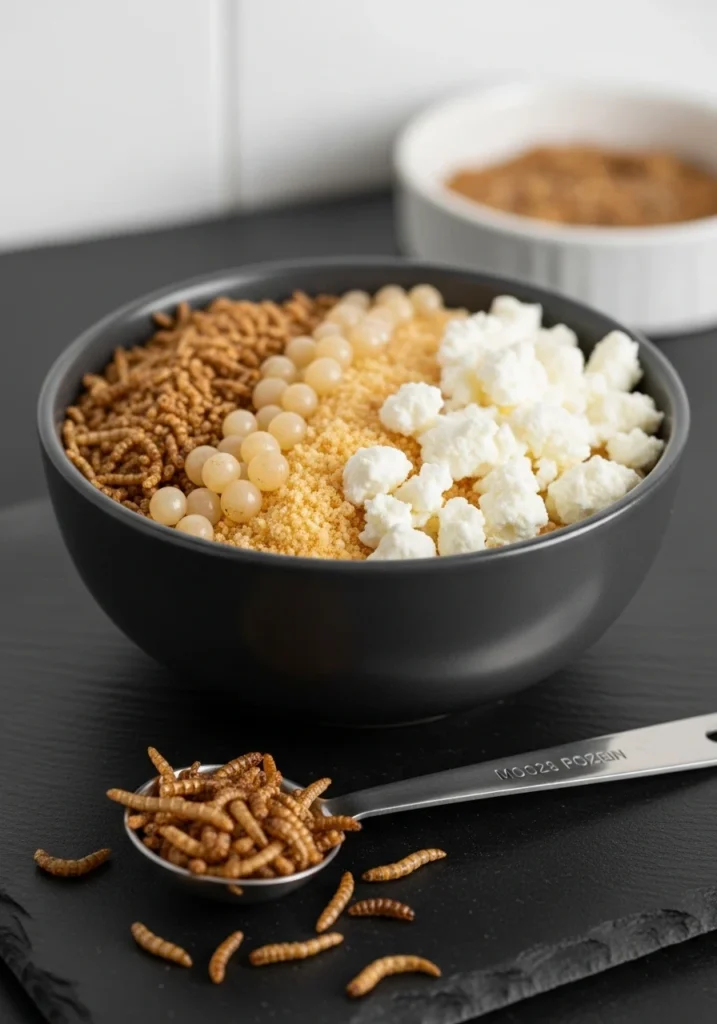
If you keep species with higher protein requirements, like waxbills, parrotfinches, or button quail, you can increase the protein content by adding:
- Finely crushed dried mealworms
- Ant eggs or dried river shrimp (widely available from specialist suppliers)
- A small amount of low-fat cottage cheese
Shop Dried Insects and High Protein Supplements for Birds on Amazon
These additions push the protein content up significantly and provide the live-food component that many finch species need to successfully raise chicks.
When and How Often to Offer Egg Food During Breeding Season
Timing and consistency matter just as much as the quality of the food itself. A lot of keepers make the mistake of offering egg food randomly, rather than building it into a reliable daily routine.
Start Before Egg Laying Begins
Begin offering egg food two to three weeks before you expect breeding activity to start.
This gives hens time to build up their protein reserves before the energetic demands of egg production kick in.
Think of it as pre-loading, the same way a marathon runner loads carbohydrates before a big race.
You want your birds in peak nutritional condition before the hard work begins, not scrambling to catch up once it is already underway.
Daily Feeding During the Nestling Phase
Once chicks hatch, offer fresh egg food every single day without exception.
Parent birds consume staggering amounts during this phase because they are feeding themselves and multiple chicks simultaneously.
A pair feeding three or four chicks can go through a surprisingly large portion of egg food in a single morning.
Remove uneaten food before it sits for too long, especially in warmer weather. Spoiled egg food can cause bacterial infections in chicks, and nobody wants to deal with that.
Gradual Reduction After Weaning
Once chicks are weaned and feeding independently, you can begin scaling back the egg food. Offer it every other day for a few weeks, then transition back to your standard maintenance diet.
Keeping birds on high-protein food year-round can lead to obesity and liver issues in some species, particularly canaries.
Common Mistakes Keepers Make With Egg Food
Even experienced bird keepers fall into some predictable traps. Here are the ones worth knowing about before they cost you a clutch.
Offering egg food too cold: Some keepers refrigerate their egg food between servings, which is sensible for food safety but counterproductive if you offer it straight from the fridge.
Cold food is less aromatic and less palatable. Let it come to room temperature before putting it in the cage.
Inconsistent feeding: Birds are creatures of habit. If you offer egg food at unpredictable times, some pairs will not learn to rely on it as a food source.
Offer it at the same time each day and watch how quickly your birds start anticipating it.
Using low-quality eggs for homemade food: If you make your own egg food, use the best eggs you can access.
Free-range eggs with deep orange yolks contain significantly more carotenoids and fat-soluble vitamins than battery eggs. Your birds will notice the difference even if you cannot.
Neglecting the cock bird: Hens obviously need extra nutrition during laying, but cocks are burning enormous energy reserves during courtship and chick feeding.
Do not overlook them in the feeding plan.
Final Thoughts
High protein egg food for breeding birds is not some optional extra you sprinkle in occasionally to make yourself feel like a responsible keeper.
It is a genuine cornerstone of a successful breeding season.
Get the protein right, time it well, and maintain consistency, and you give your birds the best possible foundation for raising healthy, strong chicks.
Whether you use a quality commercial product or make your own from scratch at home, the important thing is that you take it seriously.
Your birds are depending on you to understand their nutritional needs, especially when they are working their hardest to bring new life into your aviary.
Start strong, stay consistent, and enjoy the results.
There is nothing quite like watching a nest full of healthy, well-fed chicks grow up knowing that you gave them everything they needed right from the start.
What Is the Best High Protein Egg Food for Breeding Birds?
The best high-protein food for breeding birds uses whole egg powder as the main ingredient. It also includes wheat germ, brewer’s yeast, and optional insect meal for species with higher needs.
Look for commercial products that list at least 18 to 22 percent crude protein on the label. Brands like Quiko, Orlux, and Cede are trusted by many aviculturists.
If you want to make it at home, mash hard-boiled eggs with wheat germ, fine breadcrumbs, and grated carrot. This mix is fresh and well-accepted by most breeding pairs.
When Should I Start Feeding Egg Food to My Breeding Birds?
Start providing egg food two to three weeks before your birds breed. This time lets hens build protein and fat stores for egg production.
Once chicks hatch, feed daily without breaks during the nestling phase. After the chicks are weaned, reduce egg food to every other day.
Then, switch back to a standard diet to prevent weight and liver problems.
Can I Feed Egg Food to My Birds Year Round?
You can give egg food year-round in small amounts. However, daily high-protein feeding outside breeding season isn’t recommended for most species.
Canaries and finches, in particular, can become obese or develop fatty liver disease if they eat rich, protein-dense foods without the energy needs of breeding.
During the off-season, offer egg food once or twice a week as a supplement, not a daily staple. Always check your birds’ body condition and adjust their diet accordingly.
How Do I Make Homemade Egg Food for Breeding Birds?
Making homemade egg food for breeding birds is easy. Start by hard-boiling two eggs. Mash them well, including the yolks.
Then, mix in one tablespoon of fine breadcrumbs, one teaspoon of wheat germ, a pinch of brewer’s yeast, and some finely grated carrot.
Blend everything to a crumbly texture and serve fresh. For birds needing more protein, like waxbills or gouldians, add crushed dried mealworms or ant eggs to the mix.
Always take away any uneaten food within four to six hours to avoid bacterial spoilage, especially in warm weather.
How Much Egg Food Should I Feed My Breeding Birds Per Day?
The right amount depends on your species and the clutch size. A good starting point is one to two teaspoons per pair each day during the nestling phase.
If a pair is feeding three or four chicks, they will eat more. Watch the dish and increase the portion if it empties quickly.
The goal is to keep fresh egg food available throughout the morning feeding time. Avoid leaving large amounts uneaten in the cage.
Adjust daily based on what your birds eat, not a fixed amount.