Organic Wild Bird Seed Mixes That Attract More Birds
You fill the feeder, step back, and wait. Nothing happens. A squirrel appears, of course, because they always do. But where are the birds you want? Crickets.
If that sounds familiar, the issue is likely what you put in the feeder, not its location. The right organic wild bird seed mix can change everything.
Once you switch, you’ll wonder why you spent years on those dusty, generic bags.
Organic bird seed is more than a trendy label. It attracts a wider variety of birds, keeps harmful pesticides away from your garden, and offers cleaner nutrition for visiting birds.
This guide shows you what to look for, which seeds matter most, and how to create a mix that makes your backyard the busiest spot in the neighborhood.
Shop Organic Wild Bird Seed Mixes on Amazon
Why Organic Wild Bird Seed Makes a Real Difference
Most conventional bird seed mixes rely heavily on filler seeds like milo, wheat, and oats that most backyard birds simply ignore.
You end up with a pile of rejected seeds rotting on the ground beneath your feeder while birds fly right past.
Organic mixes tend to prioritize higher-quality seeds with better nutritional profiles, and birds notice that difference immediately.
Beyond nutrition, there is the pesticide issue. Conventional seeds often carry residue from the pesticides and herbicides used during farming.
Birds are small creatures with fast metabolisms, and regular exposure to those residues adds up.
Certified organic bird seed guarantees no synthetic pesticides, herbicides, or chemical fertilizers touched the crop at any point in the growing process.
What the Organic Certification Actually Means
When you see a USDA Organic label on bird seed, it tells you the seed meets specific agricultural standards.
The farm must document its soil management practices, avoid prohibited substances for at least three years before certification, and pass regular inspections.
For bird feeders, this matters because your garden is a small ecosystem. The birds eating your seed also drink from puddles, eat insects off your plants, and interact with the soil.
Keeping pesticide residue out of that loop protects more than just the birds at your feeder.
The Seeds That Actually Attract the Most Birds
Not all seeds pull equal weight in a bird mix. Some seeds attract a wide range of species. Others appeal to very specific birds.
Understanding the difference helps you build a mix that works for your yard rather than a generic blend that works for nobody.
Black Oil Sunflower Seeds
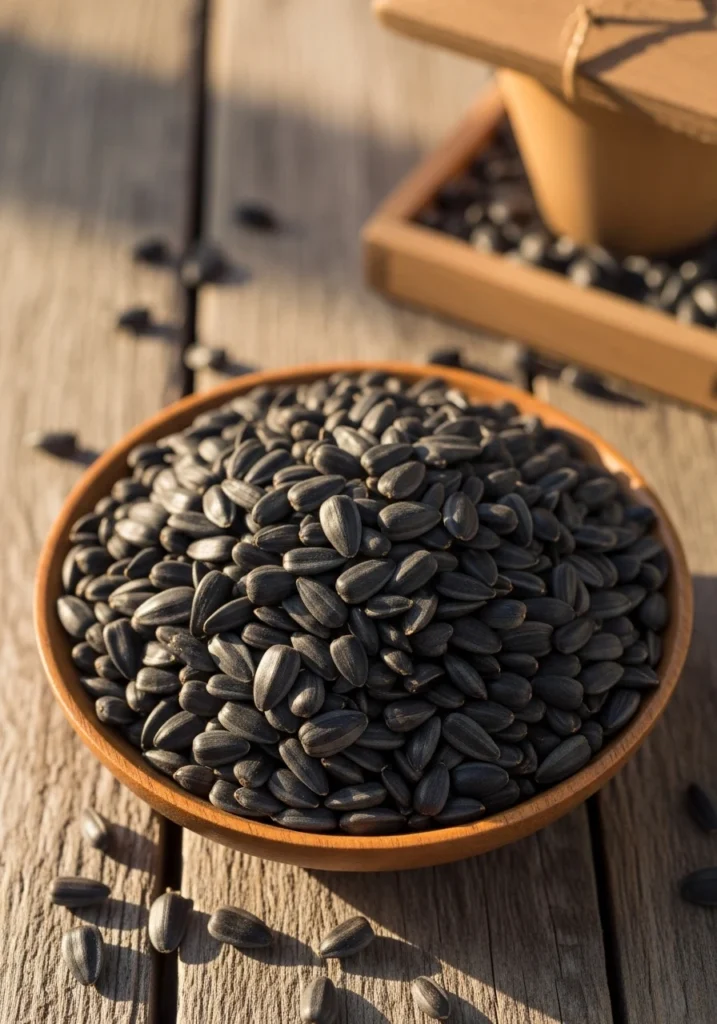
If you could only put one seed in your feeder, black oil sunflower seeds would be the answer.
Their thin shells make them easy for small birds to crack open, and their high fat and protein content makes them irresistible to a huge range of species.
Birds that regularly target black oil sunflower seeds include:
- Cardinals
- Chickadees
- Nuthatches
- Finches
- Grosbeaks
- Sparrows
- Woodpeckers
The “black oil” variety specifically outperforms the striped sunflower seeds you often see in grocery store mixes.
The shells are thinner, the seed kernels are larger relative to shell size, and the oil content is higher.
Birds prefer them so strongly that many experienced backyard birders use black oil sunflower as the base of every mix they make.
Browse Organic Black Oil Sunflower Seeds on Amazon
Nyjer Seed (Thistle Seed)
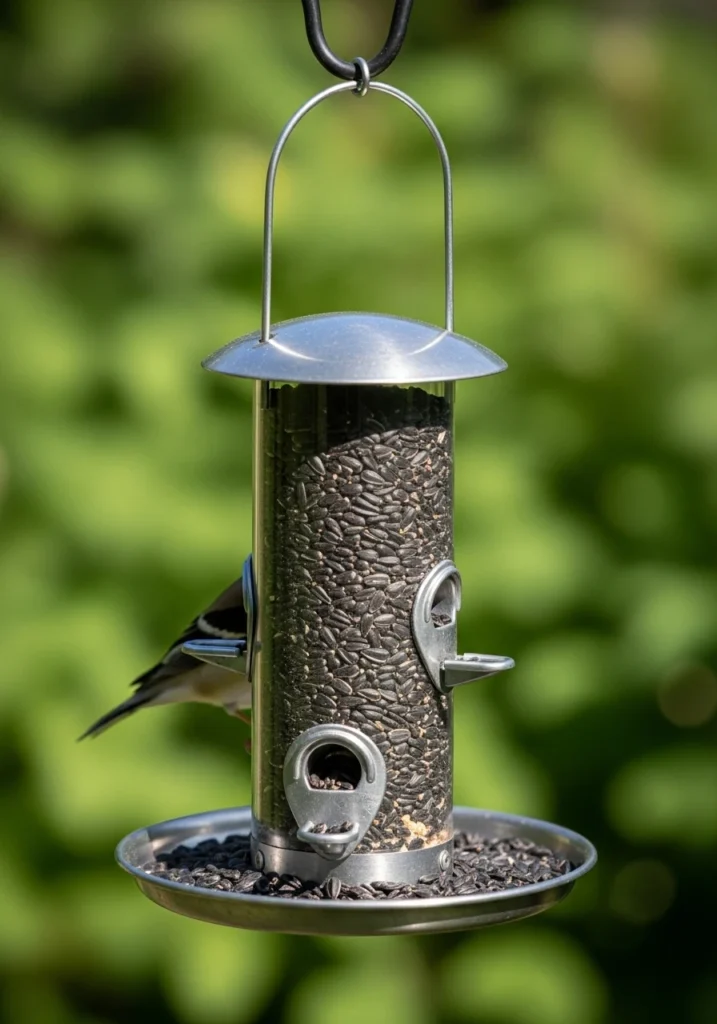
Nyjer seed, often called thistle seed, is the secret weapon for attracting finches. American Goldfinches, Purple Finches, and Pine Siskins go absolutely wild for it.
The catch is that Nyjer requires a specialized feeder with small ports because the seed is tiny and will pour straight through a standard feeder.
Nyjer is also one of the most perishable seeds in the bird world. It goes stale faster than sunflower seeds, so buy it in smaller quantities and store it in a sealed container.
Fresh Nyjer has a slightly oily texture. If it feels dry and dusty, your birds already know it is past its prime and they will avoid it.
Find Nyjer Seed and Finch Feeders on Amazon
Safflower Seeds
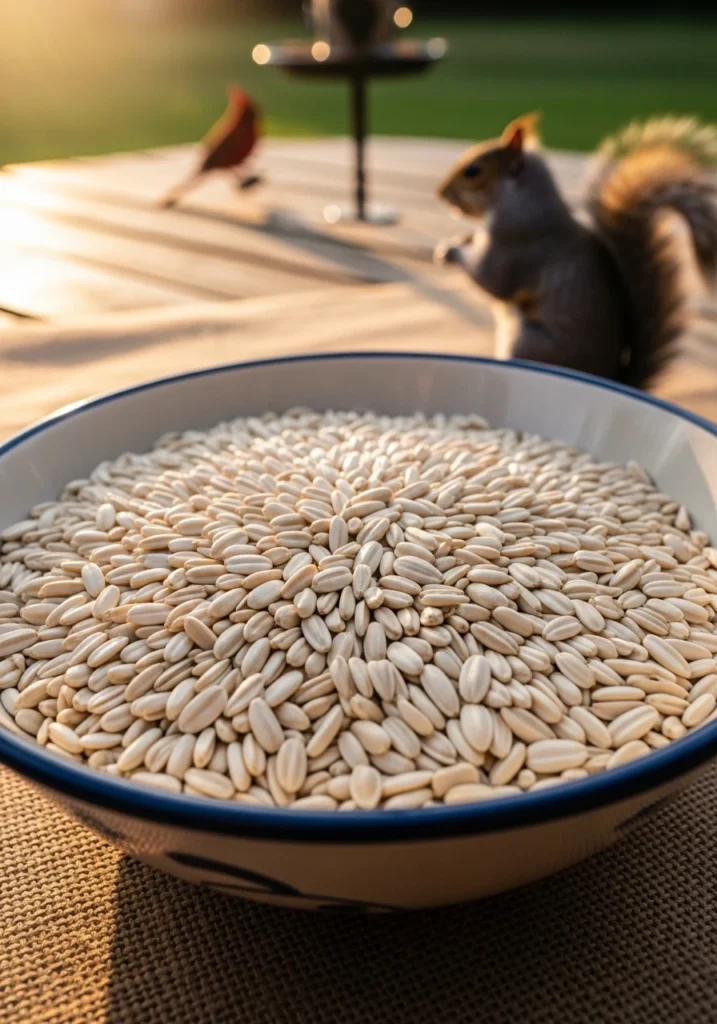
Here is a seed that deserves far more attention than it gets.
Safflower seeds attract Cardinals, Chickadees, and Doves enthusiastically, but squirrels and Starlings largely ignore them because of the bitter coating on the shell.
If squirrels raiding your feeder drive you to the edge of reason, switching to safflower is one of the most effective natural deterrents available.
Safflower works especially well in tube feeders and hopper feeders. It pairs beautifully with black oil sunflower in a mixed feeder because both seeds appeal to similar bird populations.
White Proso Millet
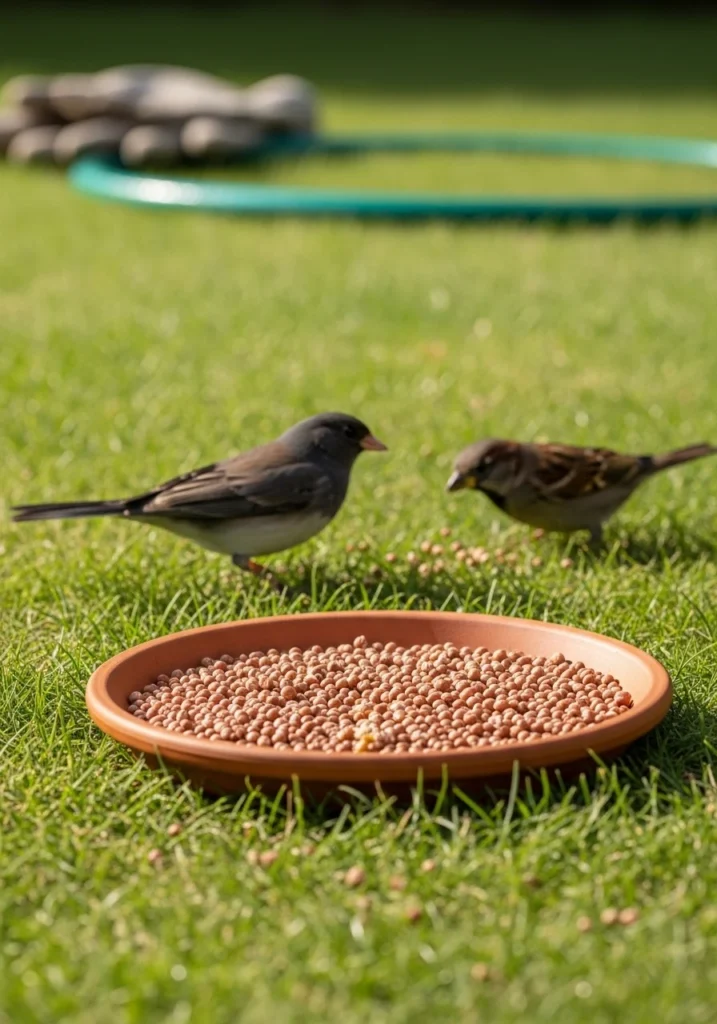
White proso millet sits low to the ground in a feeder or gets scattered directly on the ground, and ground-feeding birds absolutely love it.
Sparrows, Juncos, Towhees, and Doves all feed heavily on millet.
This seed pulls in birds that many backyard enthusiasts overlook because they focus entirely on feeder birds.
Adding a small ground-level scattering of white proso millet next to your main feeder immediately broadens the variety of species visiting your yard.
Peanut Pieces (Unsalted and Unflavored)
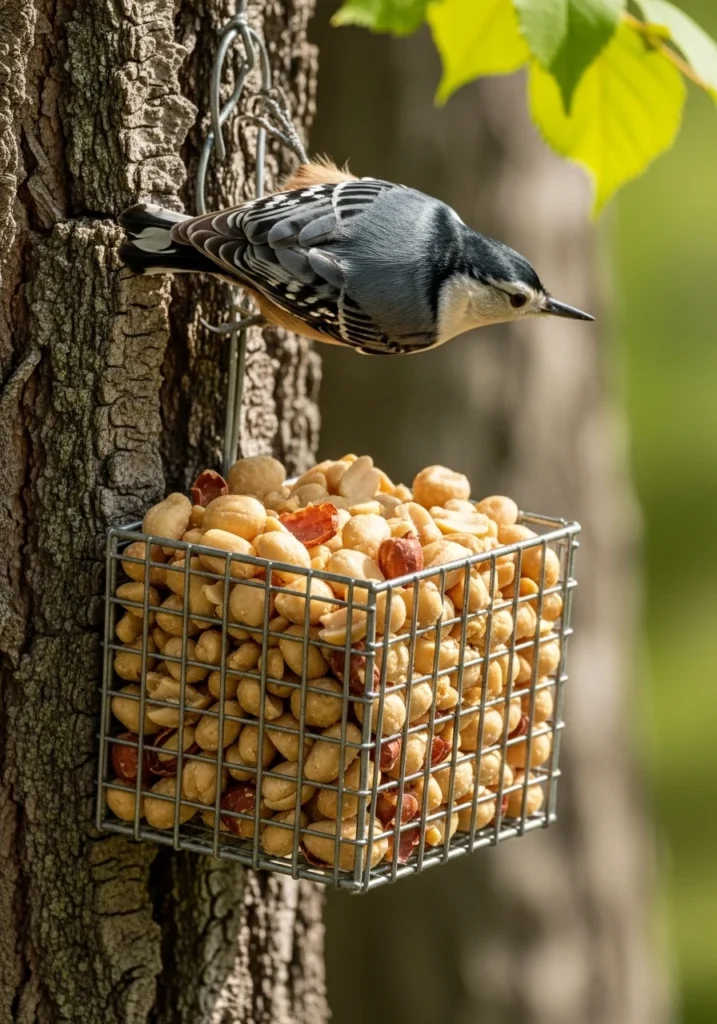
Unsalted, unflavored peanut pieces attract some of the most entertaining birds in any backyard setup. Woodpeckers, Blue Jays, Nuthatches, and Chickadees all love them.
Whole peanuts in the shell appeal specifically to Blue Jays and large Woodpeckers, while peanut pieces work for smaller birds too.
Always buy plain peanuts with no salt, roasting oils, or flavoring additives. Salted or flavored nuts cause genuine harm to birds.
Organic peanuts ensure you also avoid the heavy pesticide load that conventional peanut farming typically carries.
How to Build Your Own Organic Wild Bird Seed Mix
Buying a pre-blended organic mix is convenient, but building your own gives you complete control over what goes into the feeder.
You can tailor the blend to the specific birds in your region and adjust it seasonally.
A Simple High-Attraction Base Mix
Start with this straightforward ratio and adjust from there based on what birds you see:
- 50% black oil sunflower seeds (the foundation of any good mix)
- 20% safflower seeds (Cardinal magnet and squirrel deterrent)
- 20% white proso millet (for ground feeders and sparrows)
- 10% peanut pieces, unsalted (for Woodpeckers, Jays, and Nuthatches)
This blend covers the broadest range of backyard bird species without including any filler seeds that birds reject. Every seed in this ratio earns its place.
Shop All Bird Seed Mix Ingredients on Amazon
Seasonal Adjustments Worth Making
Bird feeding is not a set-it-and-forget-it activity if you want real results. The birds visiting your yard change by season, and your mix should shift with them.
Spring and Summer: Increase peanut pieces and sunflower content. Breeding birds need higher fat and protein to fuel nesting activity and feed their young.
Fall and Winter: Add a small amount of white millet and consider offering suet alongside your seed mix.
Migrating birds stopping through need calorie-dense food to fuel their journey, and resident winter birds like Juncos and Sparrows need steady energy during cold nights.
Year-round: Keep a separate Nyjer feeder running continuously if you want to hold a resident Goldfinch population. They stay active at Nyjer feeders through most of the year.
Common Mistakes That Keep Birds Away
Even with the best organic seed mix, a few easily avoided mistakes can undo all your effort. Let us go through the ones that trip up even experienced backyard birders.
Using Filler Seeds That Birds Reject
Many budget bird seed blends bulk up their weight with red milo, wheat, oats, and canary grass seed. Most North American backyard birds ignore these seeds completely.
You pay for weight that ends up on the ground, attracting rodents rather than birds.
Always read the ingredient list before buying any pre-blended mix and avoid anything where milo or wheat appears high on the list.
Letting Seed Go Stale
Old seed loses its oils and nutritional value, and birds detect this quickly. They will bypass a stale feeder in favor of a neighbor’s fresh one without a second thought.
Check your feeder every few days, remove any clumped or wet seed, and do a full feeder cleaning with a diluted white vinegar solution once a month.
Fresh seed in a clean feeder outperforms expensive seed in a dirty feeder every single time.
Ignoring Feeder Placement
Seed quality matters, but feeder placement closes the deal.
Birds prefer feeders positioned near natural cover like shrubs or trees, close enough to retreat to if they feel threatened but not so close that predators can launch from the branches directly onto the feeder.
About 10 feet from a shrub or brush pile is a good starting point. Ground-level feeders or scattered seed work best in open areas where birds can spot approaching cats.
Storing Organic Bird Seed the Right Way
Organic seed has no synthetic preservatives, which means it has a shorter shelf life than conventional seed. Proper storage keeps it fresh far longer and protects your investment.
Store seed in:
- Airtight metal or hard plastic containers (rodents chew through bags and soft plastic easily)
- A cool, dry location away from direct sunlight and humidity
- Small enough quantities that you cycle through the supply within four to six weeks
Avoid storing seed in garages where temperature swings are extreme, or outdoors where moisture can get in.
Moldy seed causes serious illness in birds and should go straight in the trash if you spot it.
The Real Payoff of Switching to Organic
After switching to an organic mix built around black oil sunflower, safflower, and millet, the difference at the feeder becomes obvious within a week or two.
More species show up. Birds spend more time at the feeder rather than picking through it and flying off.
The ground beneath the feeder stays cleaner because birds eat what you offer instead of tossing half of it aside.
There is also the satisfaction of knowing your backyard setup supports a genuinely healthy bird population rather than just a well-fed one.
Clean seed, clean feeders, and thoughtful placement costs roughly the same as buying low-quality filler blends once you factor in how much of those blends goes uneaten.
Your backyard birds are trying to visit. Give them a reason to stay, and they absolutely will.
Find the Best Organic Bird Seed for Your Backyard on Amazon
What Is the Best Organic Wild Bird Seed Mix to Attract the Most Species?
This blend uses black oil sunflower seeds as the base. It also includes safflower seeds, white proso millet, and unsalted peanut pieces. This mix attracts many types of backyard birds.
It suits ground feeders, feeder birds, and larger species like Woodpeckers and Blue Jays. Plus, it has no filler seeds that birds tend to reject.
Why Should I Choose Organic Bird Seed Over Conventional Bird Seed?
Organic bird seed has no synthetic pesticide or herbicide residues. This keeps visiting birds safe from chemical exposure. It also helps create a healthier garden ecosystem.
Birds interact with your soil, plants, and water sources beyond the feeder. Certified organic seed ensures cleaner farming practices from field to bag.
How Do I Store Organic Wild Bird Seed to Keep It Fresh?
Store organic bird seed in an airtight metal or hard plastic container. Keep it in a cool, dry place, away from sunlight and humidity.
Organic seed has no synthetic preservatives, so it has a shorter shelf life than conventional seed. Buy only what you can use in four to six weeks. Discard any seed that smells musty or has mold.
Which Wild Bird Seeds Deter Squirrels While Still Attracting Birds?
Safflower seeds are the best natural squirrel deterrent in bird seed mixes. Squirrels don’t like the bitter shell coating, so they avoid feeders with safflower.
However, Cardinals, Chickadees, and Doves love it. Mixing safflower with black oil sunflower in a feeder attracts many birds while keeping squirrels away.
Should I Change My Wild Bird Seed Mix With the Seasons?
Yes, changing your seed mix with the seasons boosts bird activity. In spring and summer, use more fat-rich seeds like sunflower and peanut pieces.
Breeding birds need extra protein and energy then. In fall and winter, add more white proso millet for ground feeders. Also, consider a separate suet feeder to help resident birds during cold nights.