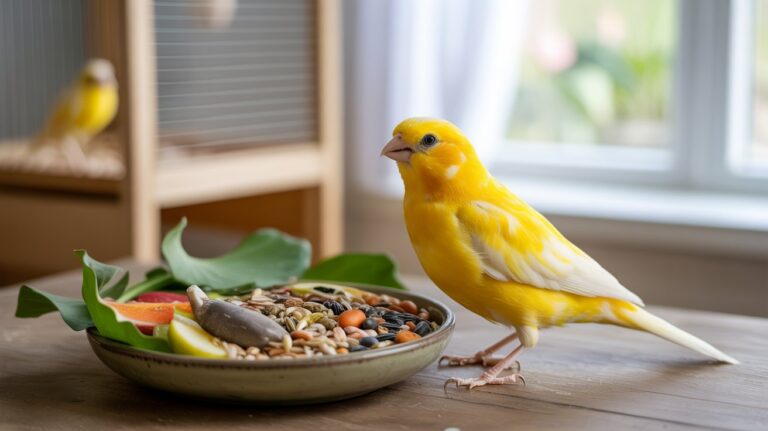
Feeding Lorikeets and What Their Diet Should Include
If you have a lorikeet at home, you know they aren’t typical parrots. They are loud, playful, and colorful little characters. They thrive on liquid diets and enjoy every moment.
Getting their diet right is crucial, and nectar is key.
I’ve kept lorikeets for years, and I know it can be confusing at first. There are wet mixes, dry mixes, fresh flowers, and fruit blends. Which one is the best? Let’s break it down.
Why Nectar Is Non-Negotiable for Lorikeets
Here is something that surprises a lot of new lorikeet owners: these birds do not have a crop designed to digest seed.
Their digestive system is built around liquid and pollen-rich foods. Feeding them seed as a staple is like putting diesel in a petrol engine.
It works badly, and eventually it causes real damage.
Lorikeets have a specialised brush-tipped tongue that collects nectar and pollen from flowers in the wild. In captivity, we need to replicate that as closely as possible.
A good nectar diet keeps their energy levels up, supports their immune system, and gives you a bird that actually thrives rather than just survives.
The Two Main Types of Lorikeet Nectar Food
Before you buy anything, you need to understand the two formats you will encounter most often. They both have a place in your bird’s routine, and the best results come from using them together.
Dry Nectar Mix
Shop Lorikeet Dry Nectar Mixes on Amazon
Dry nectar mix is a powder you mix with water. It is convenient, has a long shelf life, and most brands are nutritionally balanced.
You can prepare a fresh batch each morning and change it out in the afternoon without much fuss.
The downside? Some lorikeets are picky about texture and temperature. A mix that is too thick or too cold can get ignored completely.
You will likely spend a week or two figuring out the exact consistency your bird prefers. Welcome to lorikeet ownership, where your bird has stronger opinions than most humans.
Top tip: Always follow the mixing ratios on the packaging. Going too watery reduces nutritional value, and going too thick can cause digestive issues.
Wet Nectar Mix
Browse Lorikeet Wet Nectar Mixes on Amazon
Wet nectar mix comes pre-prepared and is usually sold refrigerated or in sealed pouches. It requires no preparation, which is genuinely handy when you are rushing out the door in the morning.
The trade-off is freshness. Wet mixes spoil faster once opened, and in warm weather you need to replace them more frequently.
In a hot climate, leaving wet nectar out for more than a few hours is asking for bacterial growth, which can make your bird seriously sick.
- Replace wet nectar every 2 to 4 hours in warm conditions
- Rinse feeding dishes thoroughly between servings
- Refrigerate any unused portions immediately
The Best Commercial Nectar Foods for Lorikeets
Not all products are created equal. Some brands are genuinely excellent, and others are mostly filler with a pretty label. Here is an honest breakdown of the options worth your money.
Wombaroo Lorikeet and Honeyeater Food
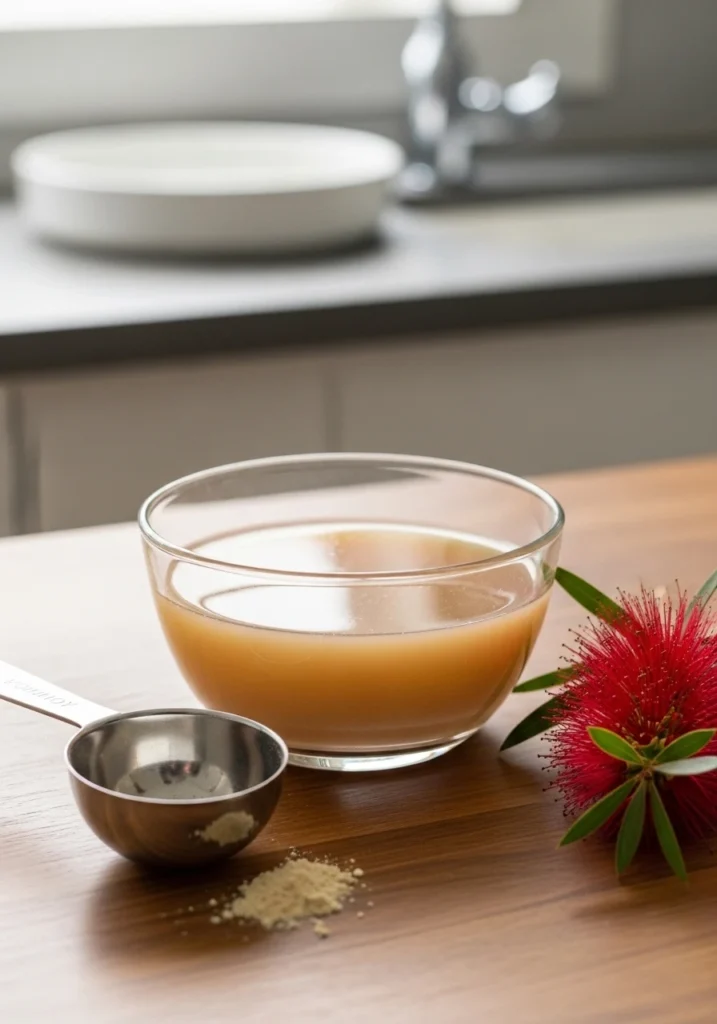
Wombaroo is a name that comes up constantly in Australian bird-keeping circles, and for good reason.
This product closely mirrors the nutritional profile of natural nectar, with a solid balance of carbohydrates, protein, and micronutrients. It mixes smoothly, and most lorikeets take to it readily.
It is particularly well regarded for birds recovering from illness or stress, because the nutrient density supports recovery without overwhelming the digestive system.
If you are starting out and want one reliable product, this is the one I would point you toward.
Pastures Lorikeet Dry Mix
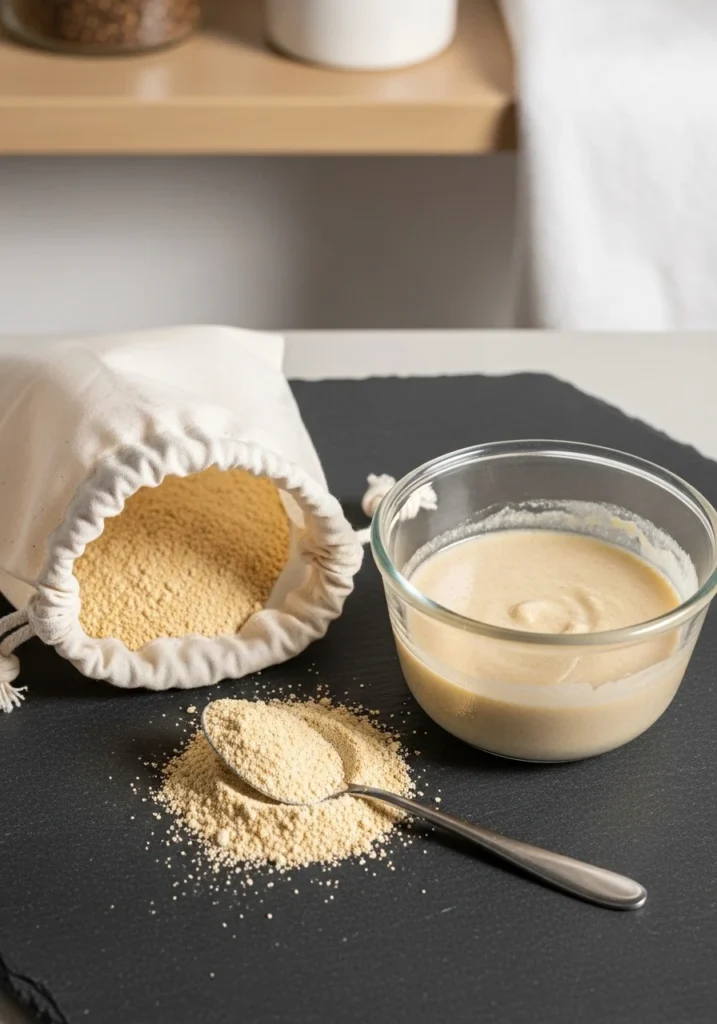
Pastures has built a strong reputation among dedicated lorikeet keepers. Their dry mix uses natural ingredients and avoids the artificial sweeteners that show up in some cheaper brands.
Artificial sweeteners have no place in a lorikeet diet, and any product that includes them should stay on the shelf.
The texture is finer than some competitors, which makes it easier to achieve a smooth consistency. My birds have always responded well to it, and the ingredient list holds up to scrutiny.
Avione Lorikeet Wet Mix
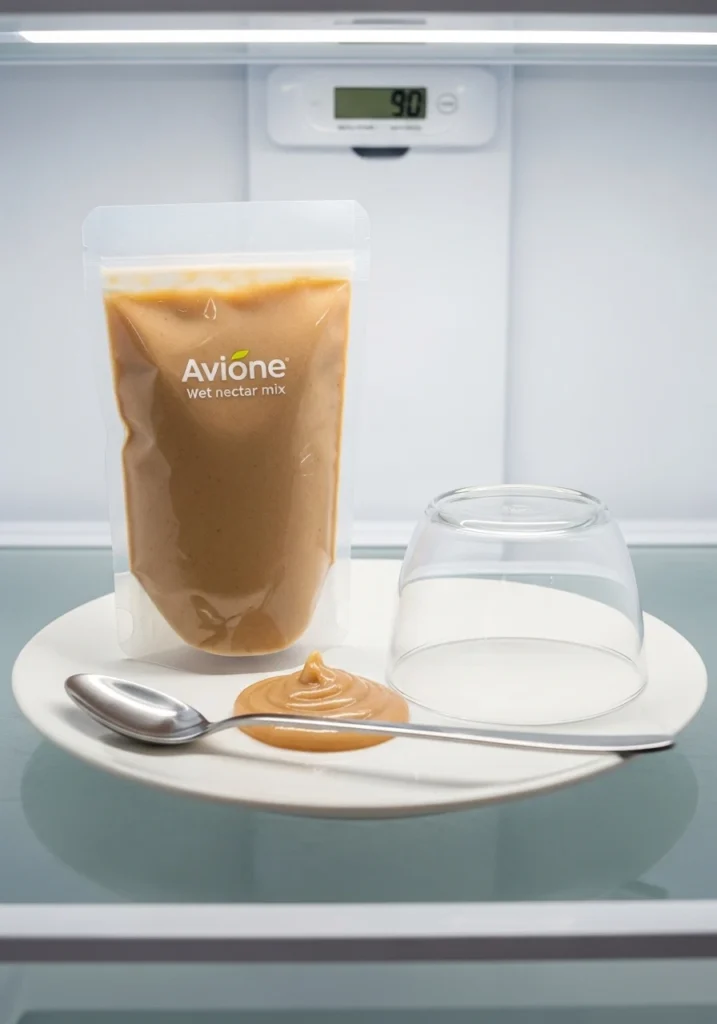
For the wet mix category, Avione is a solid choice. It is widely available, affordable, and nutritionally sound.
The ready-to-serve format makes it ideal for households where multiple birds need feeding quickly. Just remember: freshness discipline is non-negotiable with any wet product.
Fresh Foods That Complement Nectar
Commercial nectar mix should form the backbone of your lorikeet’s diet, but fresh foods add variety, enrichment, and nutrients that packaged products sometimes lack.
Think of it as the difference between a balanced meal and a balanced meal with a side salad. Both are fine, but the second one is better.
Safe Fruits for Lorikeets
Lorikeets enjoy the natural sugars in fruit, and the right choices add hydration and vitamins to their diet. Good options include:
- Mango (a personal favourite of basically every lorikeet I have ever met)
- Papaya
- Grapes (halved to prevent choking)
- Apple (seeds removed, as apple seeds are toxic)
- Pear
- Melon
Keep portions small and remove uneaten fruit within a couple of hours. Fermented fruit causes digestive upset, and nobody wants to deal with that.
Find Lorikeet-Safe Treat Blends on Amazon
Fresh Flowers and Blossoms
This is where things get genuinely exciting for your bird. In the wild, lorikeets spend their days working through flowering trees, and you can replicate this at home.
Bottlebrush, grevillea, and banksia blossoms are all excellent choices and are easy to source in most parts of Australia.
Watch your bird go absolutely feral for fresh bottlebrush. It is like handing a toddler a lolly, except nutritionally justified.
Foods to Avoid Completely
Some foods that seem harmless can cause serious harm to lorikeets. Keep the following well away from your bird:
- Avocado (toxic to most birds)
- Onion and garlic
- Chocolate
- Caffeine in any form
- Stone fruit pits (cherry, peach, plum seeds)
- Seed mixes designed for parrots or cockatiels (not appropriate for lorikeets)
How to Set Up a Feeding Routine That Actually Works
Even the best nectar food in the world will not do your bird much good if you are feeding it inconsistently or in the wrong conditions. A simple routine makes a real difference.
Morning and Afternoon Servings
Most lorikeet keepers settle on two servings a day. A fresh batch of dry nectar mix in the morning and a top-up or replacement in the early afternoon works well for most birds.
This mimics their natural feeding pattern of active foraging across the day.
If you use a wet mix, a mid-morning check is essential, especially in summer. Bacterial contamination happens fast in heat, and a sick lorikeet is not something you want to deal with.
Dish Hygiene Is Not Optional
Lorikeet feeding dishes get messy. The sugary residue left behind after a feeding session is a magnet for bacteria and mould.
Wash dishes with hot water and a bird-safe detergent every single day. Rinse them thoroughly, because soap residue is also harmful.
I know it sounds like a lot of effort for a little bird, but this one habit prevents more health problems than almost anything else you can do.
Shop Bird-Safe Feeding Dishes and Cleaning Supplies on Amazon
Hydration and Water Access
Always provide fresh, clean water separately from the nectar dish. Some lorikeets dunk their food, some splash for fun, and some do both simultaneously while making eye contact just to watch you sigh.
Change the water at least once a day and more often if your bird treats it as a bathing pool.
Reading Labels Like a Lorikeet Keeper, Not a Casual Shopper
If you want to make good choices at the pet shop, you need to know what to look for on a product label. Here are the key things to check:
- Protein content: Aim for around 12 to 18 percent. Too low and your bird misses out on essential amino acids.
- Sugar source: Natural sugars like glucose and fructose are fine. Artificial sweeteners are not.
- Preservatives: Minimal is better. Some preservatives are necessary for shelf life, but long chemical ingredient lists are a warning sign.
- Absence of seed or grain filler: Lorikeet-specific products should not contain significant amounts of grain or seed. If they do, put them back.
Seasonal Adjustments Worth Knowing About
Your lorikeet’s nutritional needs shift slightly with the seasons, and a good keeper pays attention to this.
In winter, birds burn more energy maintaining body temperature, so slightly increasing the richness of their nectar mix makes sense.
In summer, hydration becomes even more critical, and lighter, more frequent servings help prevent spoilage.
Breeding season is another time to increase protein content slightly. If your birds are nesting, their bodies are working harder, and their diet should reflect that.
Some keepers add a small amount of pollen supplement during this period, which several avian vets recommend.
The Bottom Line on Lorikeet Nectar Food
Feeding your lorikeet well is not complicated, but it does require consistency and a willingness to read labels.
A quality dry nectar mix as the base, supplemented with fresh fruit, safe blossoms, and the occasional wet mix for convenience, gives your bird everything it needs to live a long and genuinely boisterous life.
Skip the cheap brands, bin any product that contains seed as a primary ingredient, and keep those feeding dishes clean.
Your lorikeet will repay you with personality, chaos, and the kind of loyalty that makes all the dish-washing completely worth it.
And if your bird still ignores the perfectly prepared nectar you spent twenty minutes mixing to the ideal consistency, just know that every lorikeet keeper has been there, and the bird is probably just testing you.
Stock Up on Lorikeet Nectar Essentials on Amazon
What Is the Best Nectar Food to Feed a Lorikeet?
The best nectar food for a lorikeet includes a high-quality dry mix, like Wombaroo Lorikeet and Honeyeater Food or Pastures Lorikeet Dry Mix.
Pair this with fresh fruit and safe native blossoms, such as bottlebrush and grevillea. The dry mix provides the main nutrition, while fresh items add variety and enrichment.
Avoid products that list seed or grain as the main ingredient, since lorikeets cannot digest these well.
How Often Should You Feed a Lorikeet Nectar?
Most lorikeet keepers feed twice a day: once in the morning and again in the early afternoon. This matches how lorikeets forage in the wild.
If you use a wet nectar mix, check the dish every two to four hours in warm weather. Replace it if it sits out too long, as heat speeds up bacterial growth.
Can Lorikeets Eat Fruit Instead of Nectar Mix?
Fruit is a healthy addition to a lorikeet’s diet but should not replace a good nectar mix. Fruits like mango, papaya, grapes, and apple offer natural sugars, hydration, and vitamins.
However, they lack the full nutrition that a balanced commercial nectar mix provides. Consider fruit as a helpful extra, not a substitute.
What Foods Are Toxic to Lorikeets?
Certain common foods are toxic to lorikeets. Keep these away from them. Toxic foods include avocado, onion, garlic, chocolate, caffeine, and the pits of stone fruits like cherries, peaches, and plums.
Seed mixes made for parrots or cockatiels are also not suitable for lorikeets. Their digestive system can’t handle seeds as a main food source.
How Do You Know If a Lorikeet Nectar Mix Is Good Quality?
A quality lorikeet nectar mix should have natural sugars as the sweetener. It should contain 12 to 18 percent protein and minimal preservatives, with no artificial sweeteners.
The ingredient list must be short and recognizable, avoiding significant grain or seed fillers. Trusted brands like Wombaroo and Pastures meet these standards.